
SERVICE AREA
Proudly Serving Vancouver and Metro Vancouver. - We know Vancouver's wet season better than anyone, if you're in one of these areas, we're already close by.-
Not listed? Call us, we likely still travel there.
Our service area covers Vancouver and the surrounding Metro Vancouver communities, if your specific area isn't named below, it's still worth a call.
-
Some neighbourhoods carry genuinely higher risk.
Mature tree canopy keeps siding and trim shaded and slower to dry, and older housing stock in these same areas often predates modern vapour-barrier standards.
-
Every property gets the same 20-Point Check, regardless of area.
Documentation and process don't change based on postal code.
AREAS WE SERVE
- 01 West Point Grey
 Learn more
- 02 Dunbar-Southlands
 Learn more
- 03 Kitsilano
 Learn more
- 04 Shaughnessy
 Learn more
- 05 Arbutus-Ridge
 Learn more
- 06 Kerrisdale
 Learn more
- 07 Mount Pleasant
 Learn more
- 08 East Vancouver Learn more
- 09 West Vancouver
 Learn more
- 10 North Vancouver
 Learn more
- 11 Burnaby
 Learn more
- 12 Richmond
 Learn more
Selected work completed by
members of our carpentry team
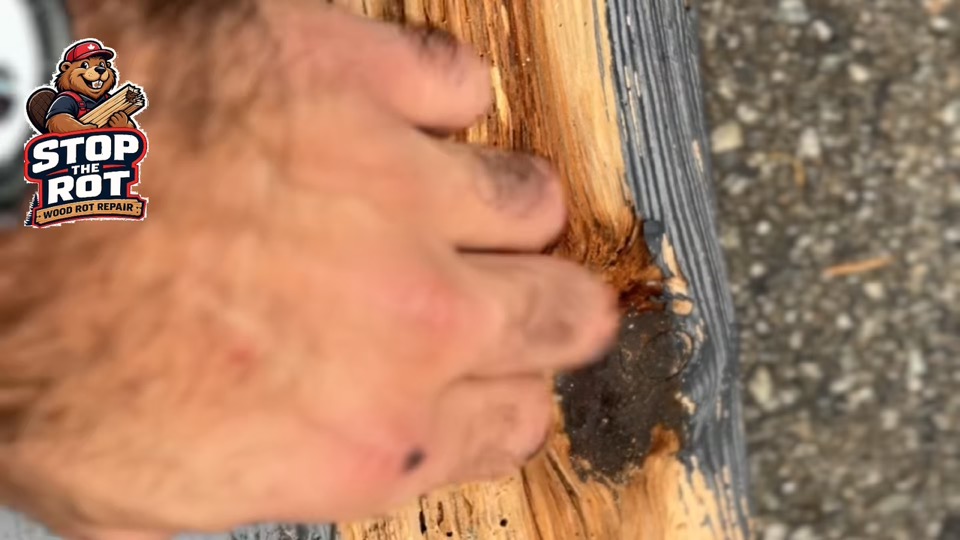
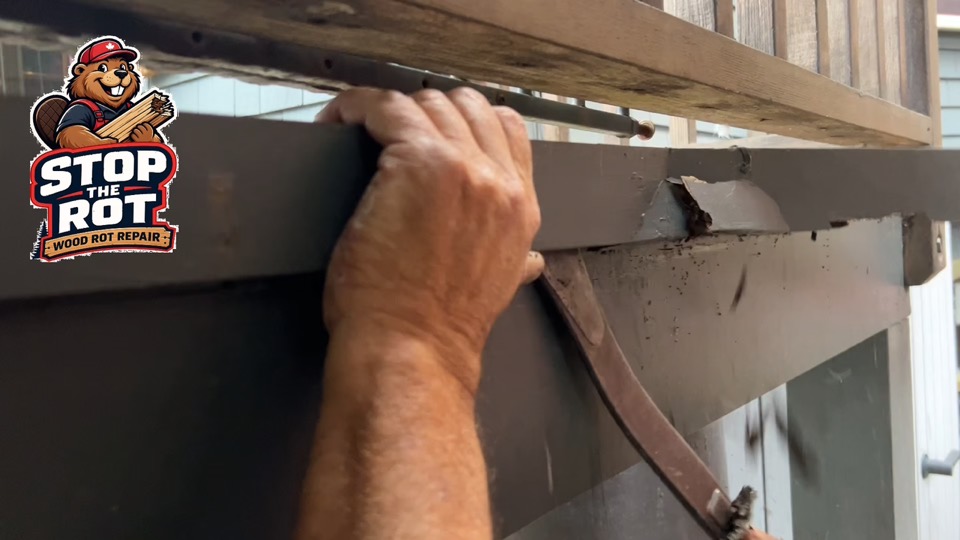
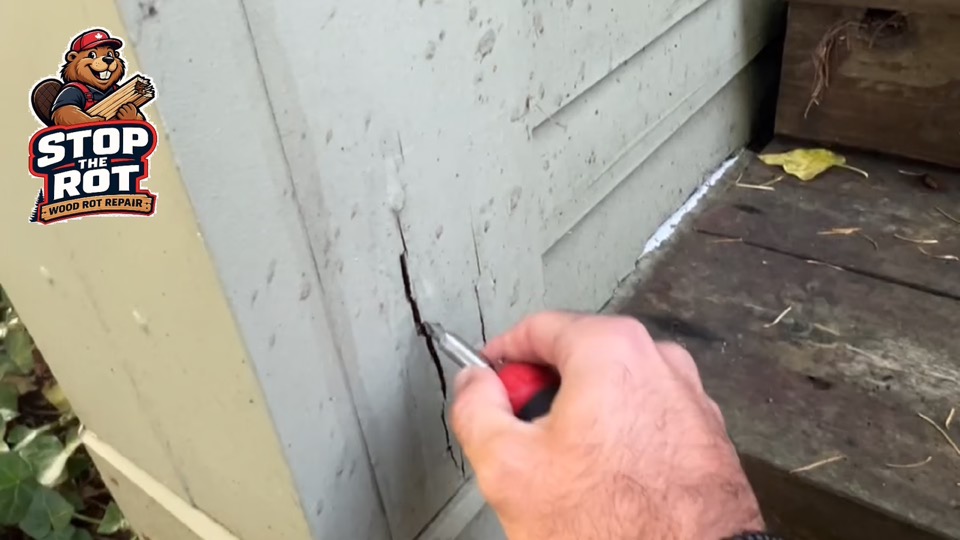
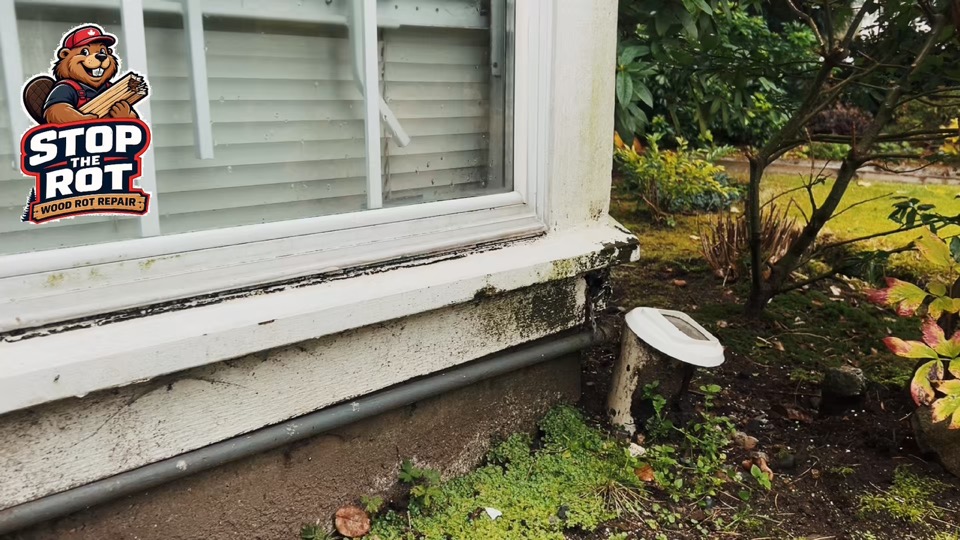
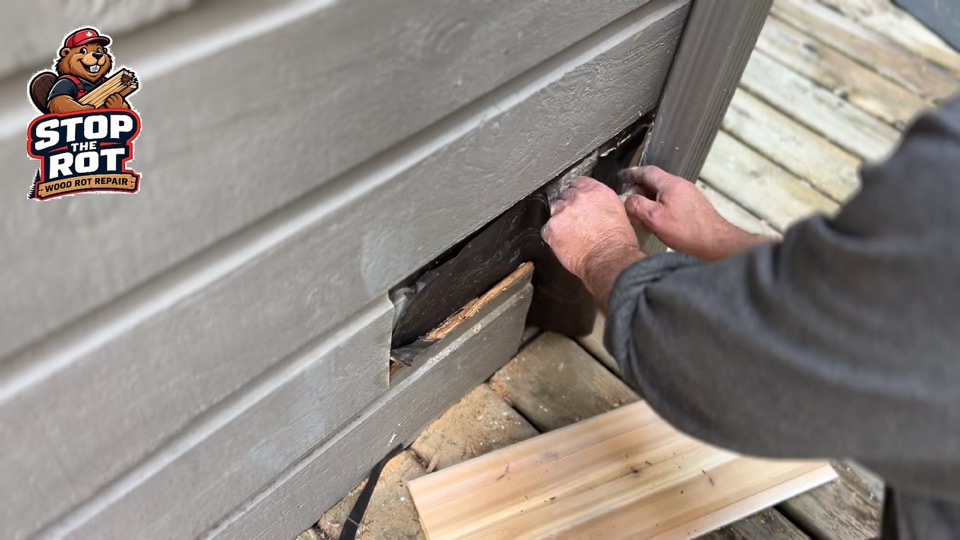
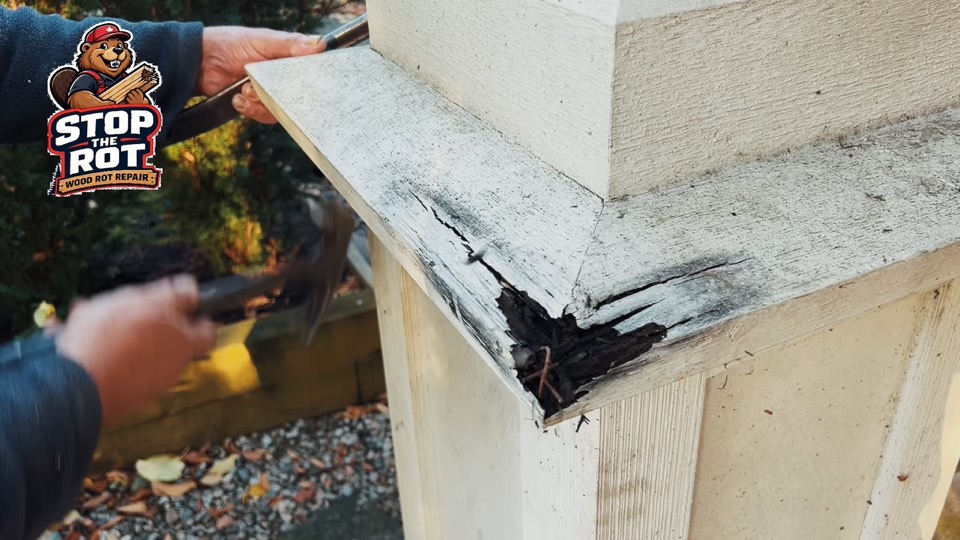
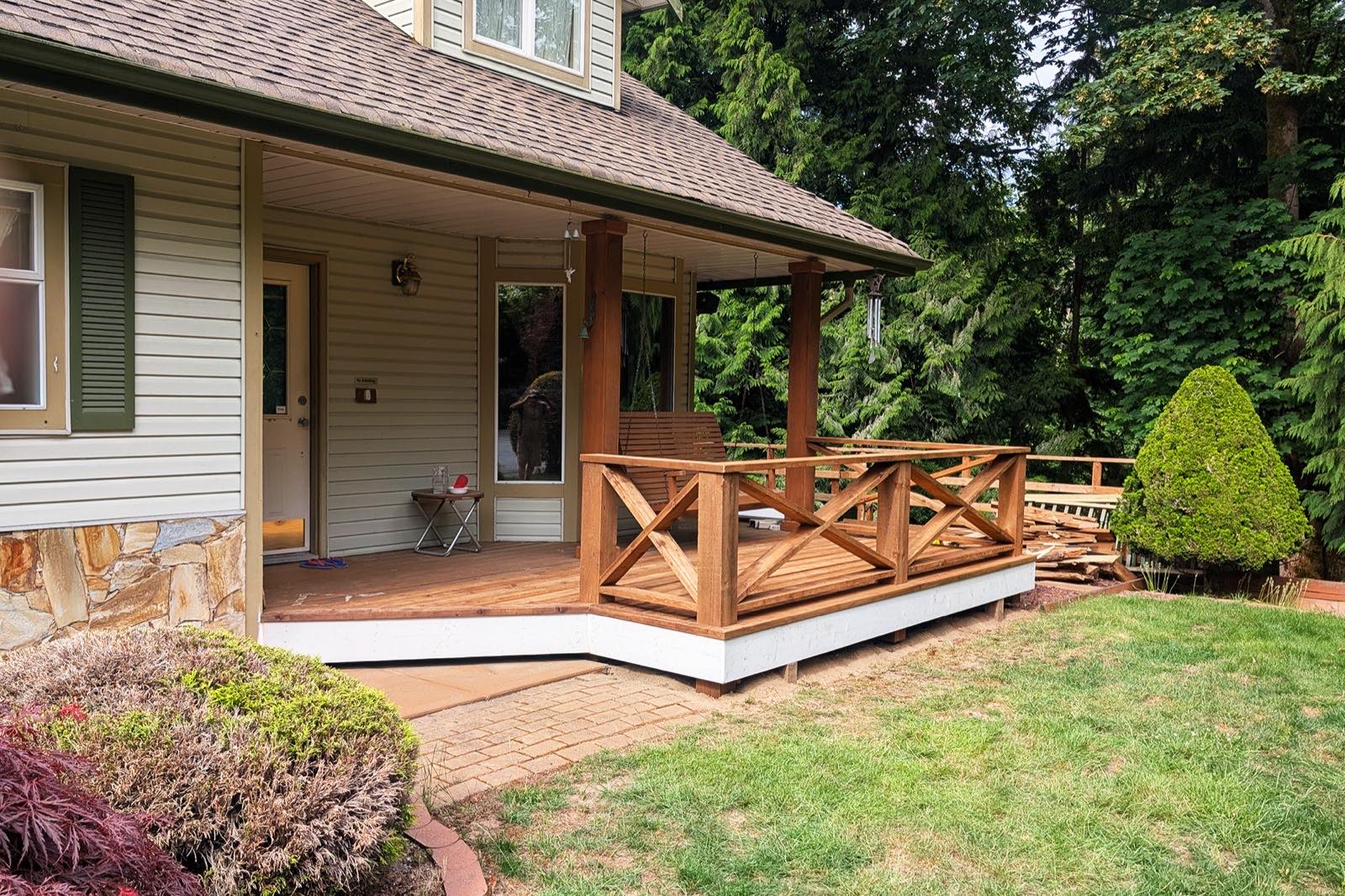
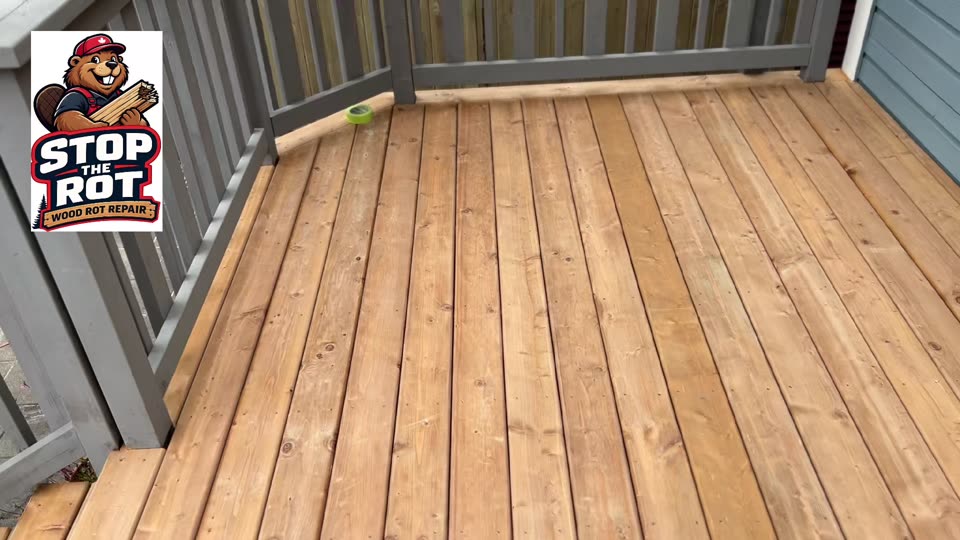
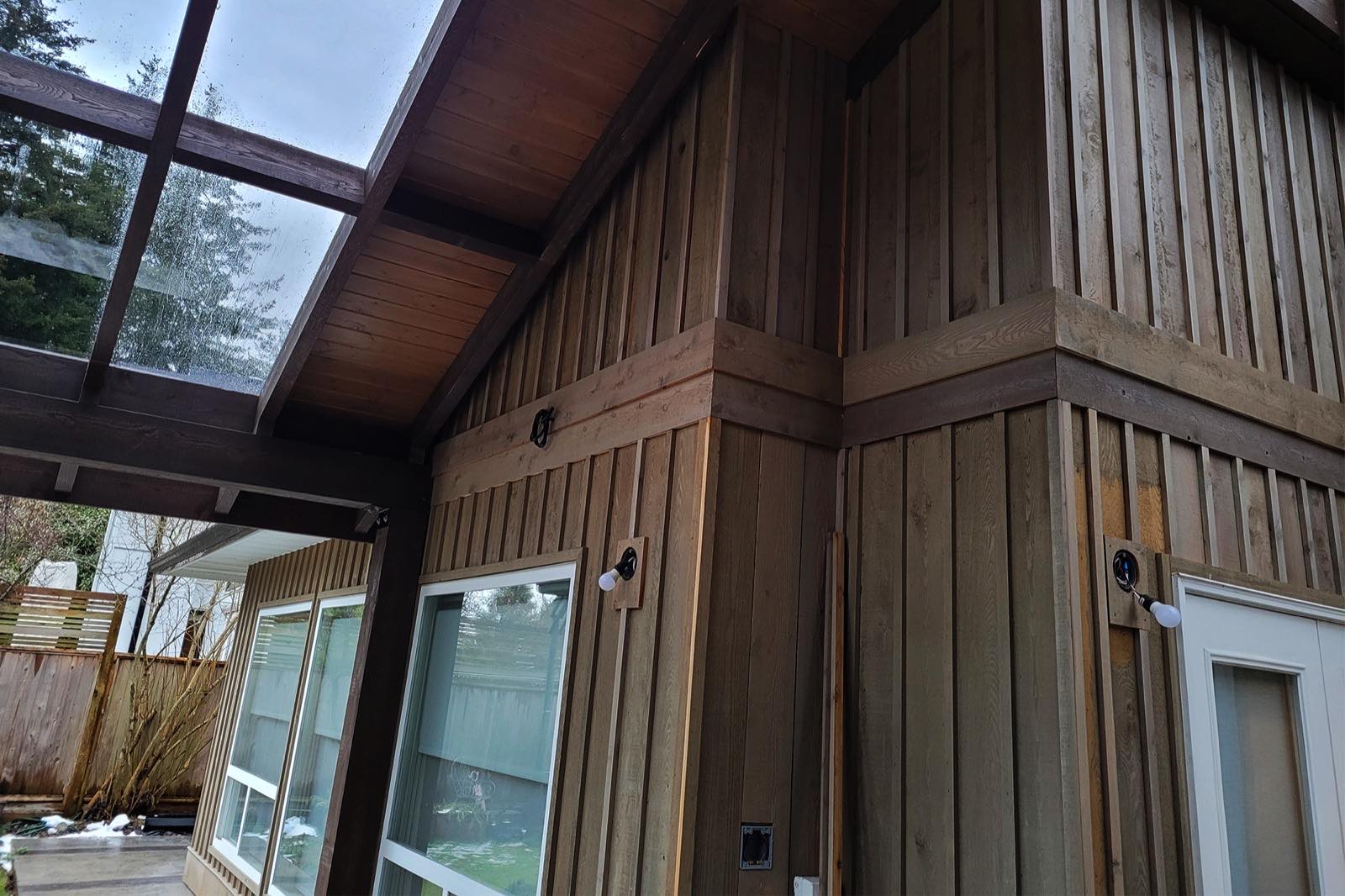
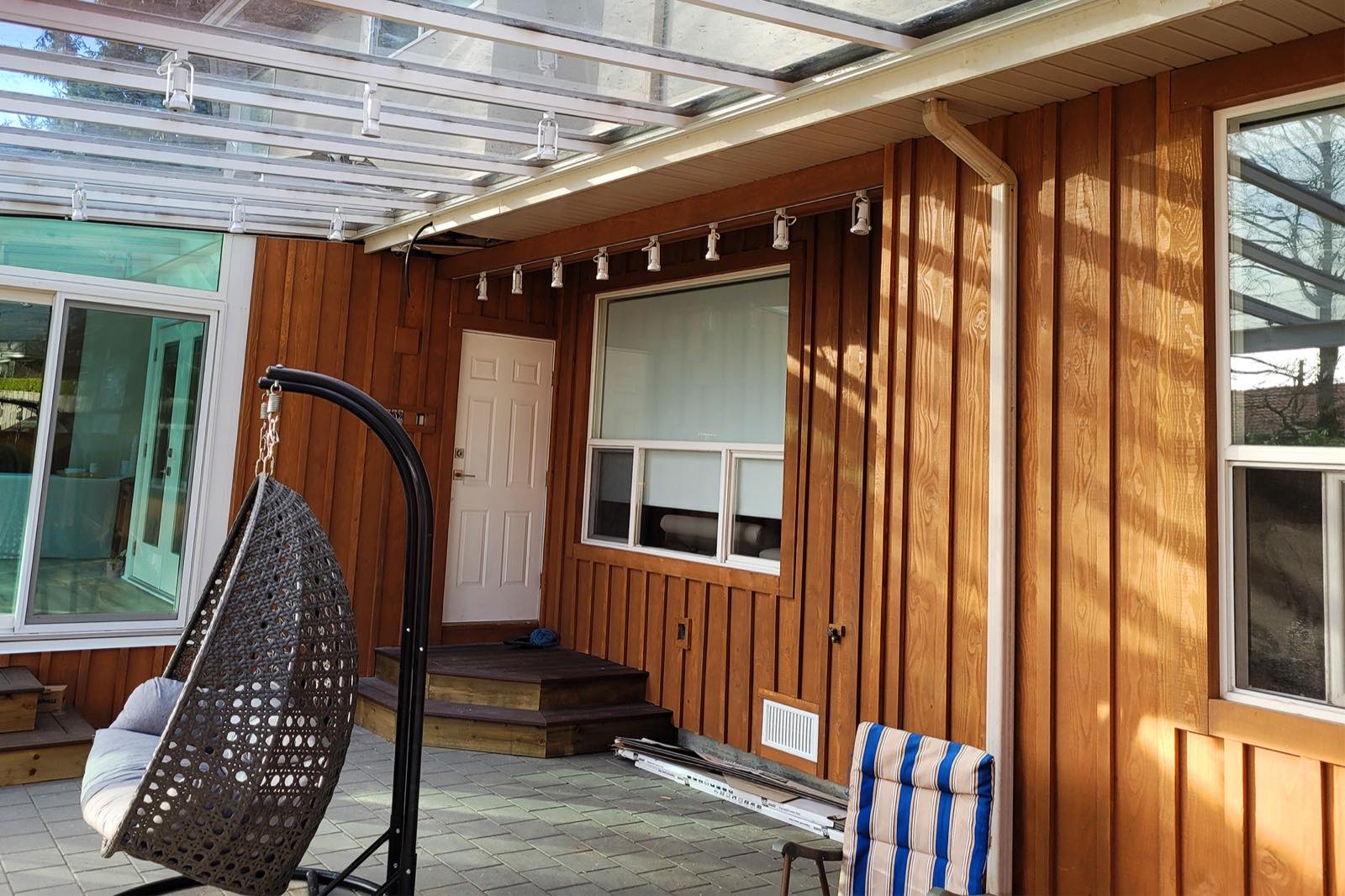
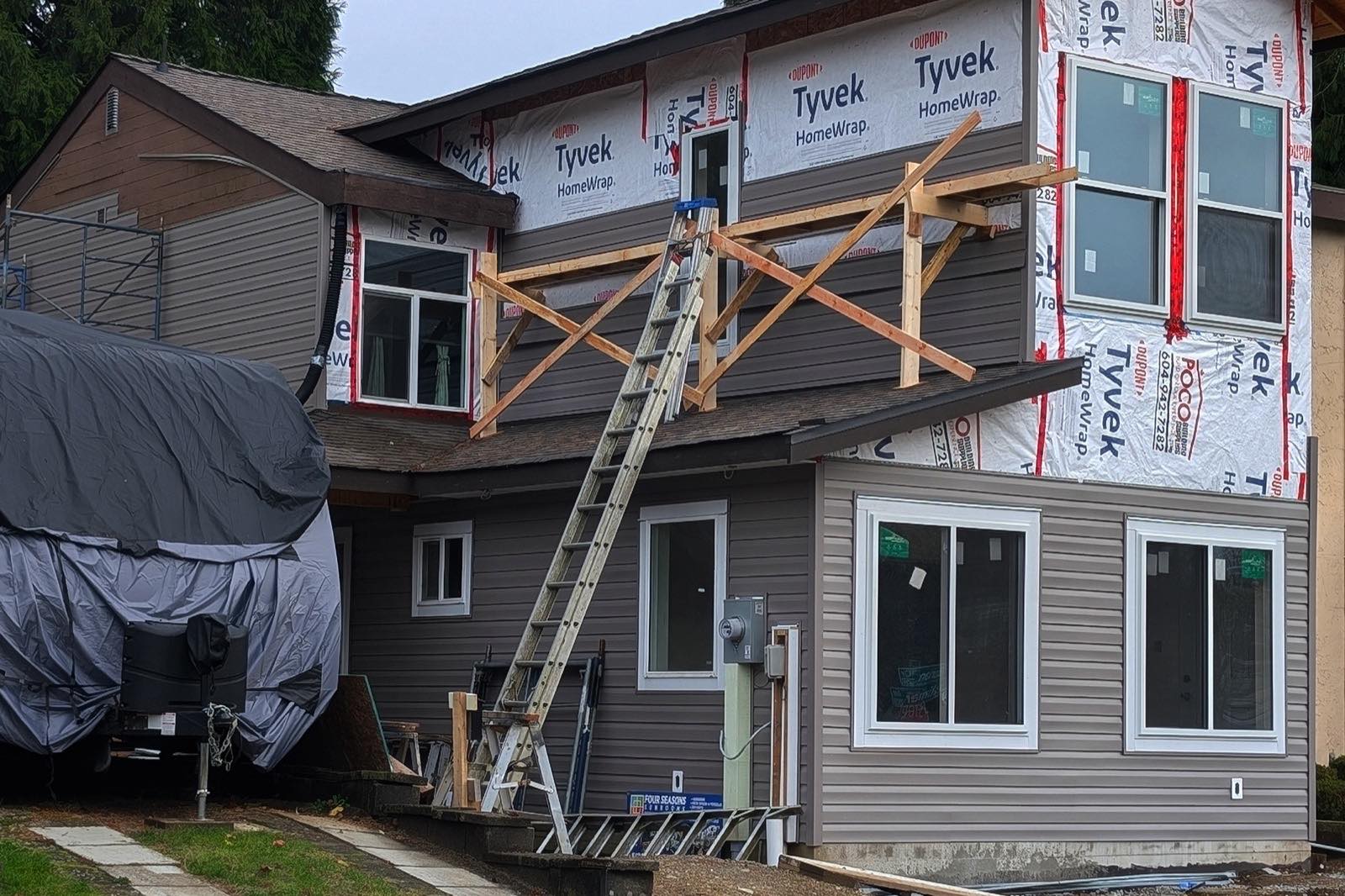
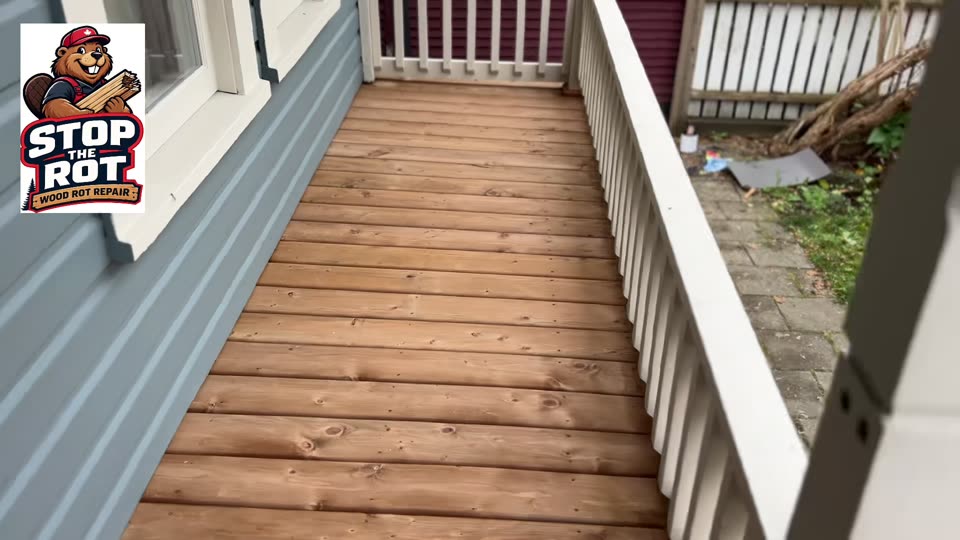
Selected work completed by members of our carpentry team.
 53+ years of combined carpentry experience across our team
WHY LOCAL KNOWLEDGE ACTUALLY MATTERS
- 01
Tree Canopy & Shade
West Point Grey, Dunbar-Southlands, Shaughnessy, and Kerrisdale are consistently identified among Vancouver's highest tree-canopy neighbourhoods, siding and trim here stay shaded and slower to dry after rain.
- 02
Older Housing Stock
Many of these same neighbourhoods carry a large concentration of pre-1940 character homes, built before modern air and vapour barrier standards existed.
- 03
Coastal Exposure
Areas closer to the water face sustained moisture exposure that compounds with the region's already long wet season.
- 04
Construction Era
Properties built between 1985 and the late 1990s, regardless of neighbourhood, carry a documented, elevated risk tied to that specific construction period, worth knowing if you own or are considering one.
Understand Wood Rot Before You Call Anyone.
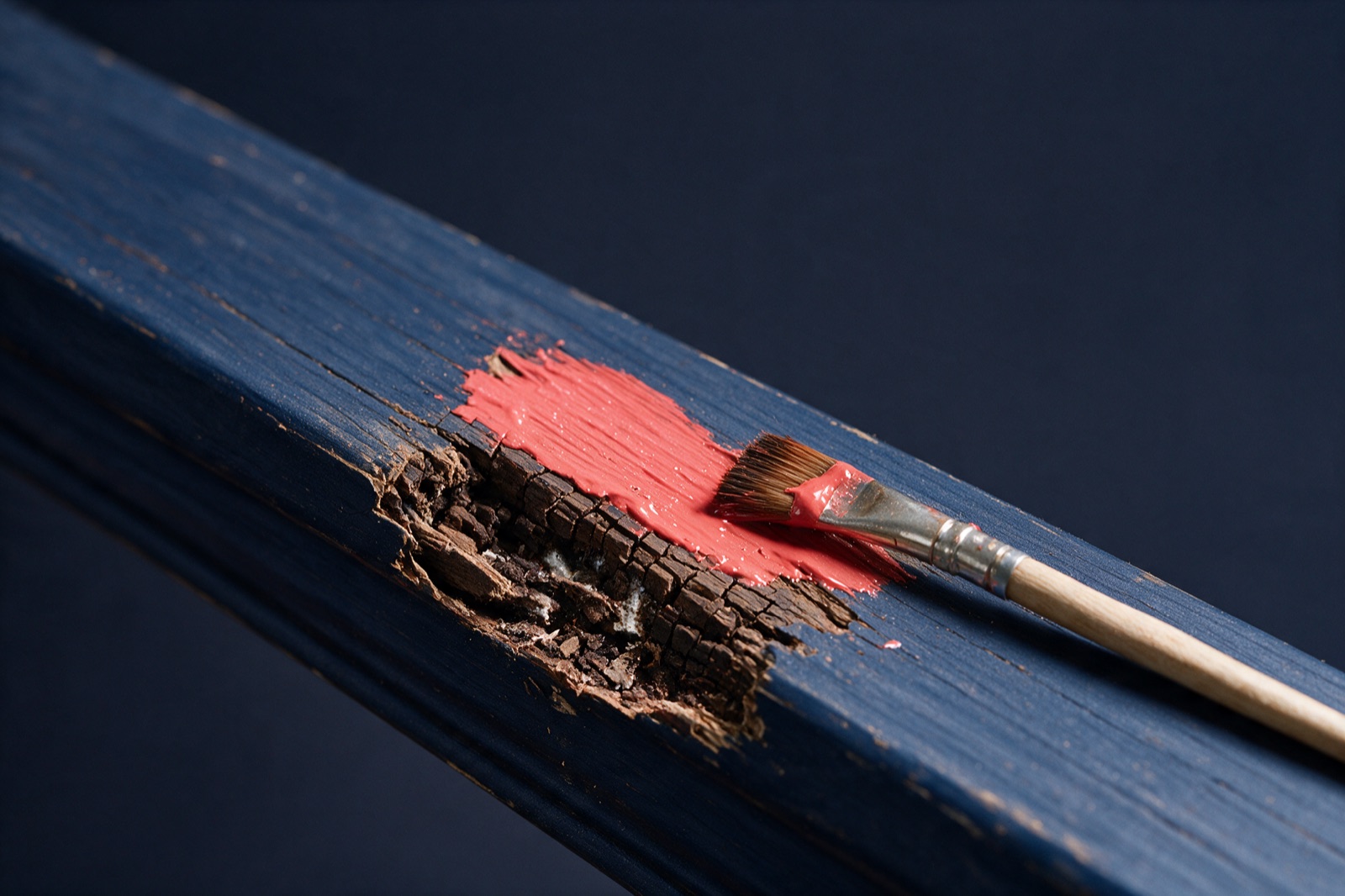
How to Stop Wood Rot From Spreading
How to stop wood rot from spreading: what actually halts fungal activity, immediate steps to take, and the one thing that doesn't count as a fix.
Read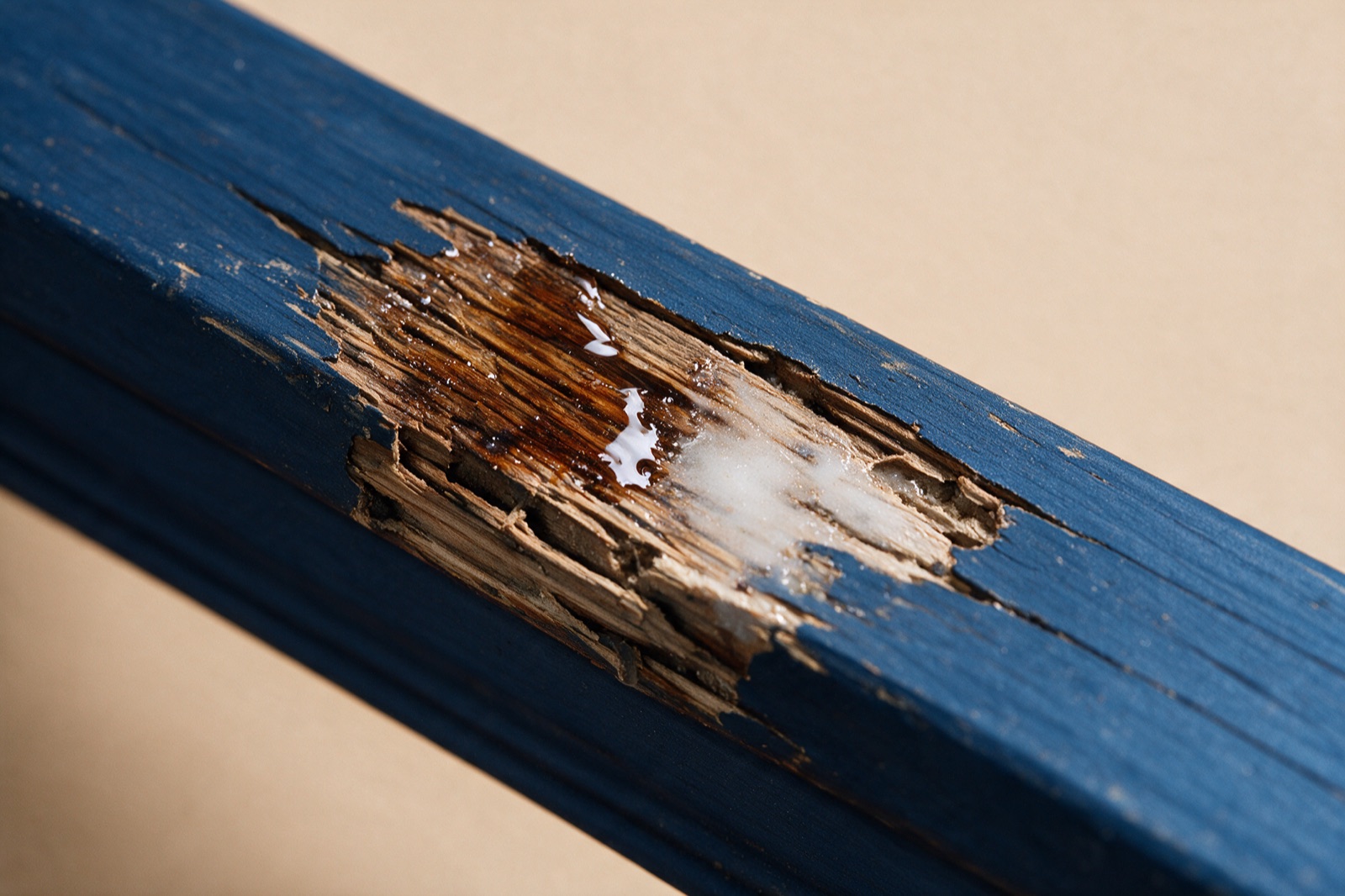
Epoxy vs. Borate: Two Different Wood Rot Treatment Methods
Epoxy vs. borate wood rot treatment: why they solve different problems, and why they're often used together rather than as alternatives.
Read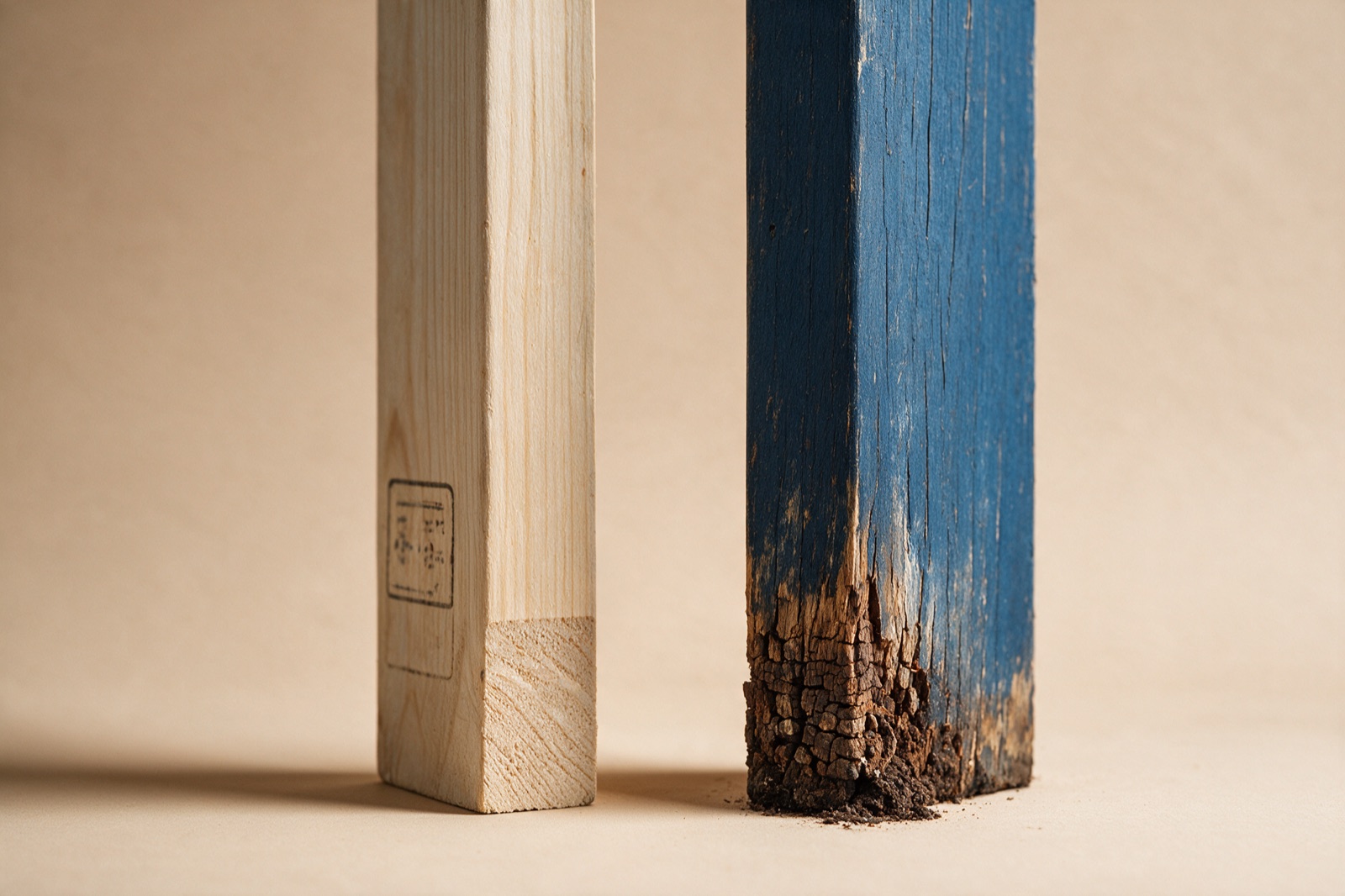
Treated Lumber vs. Untreated Wood for Rot Prevention
Treated lumber vs. untreated wood for rot prevention: how Canada's CSA O80 standard rates lumber, and why "treated" alone isn't the full answer.
Read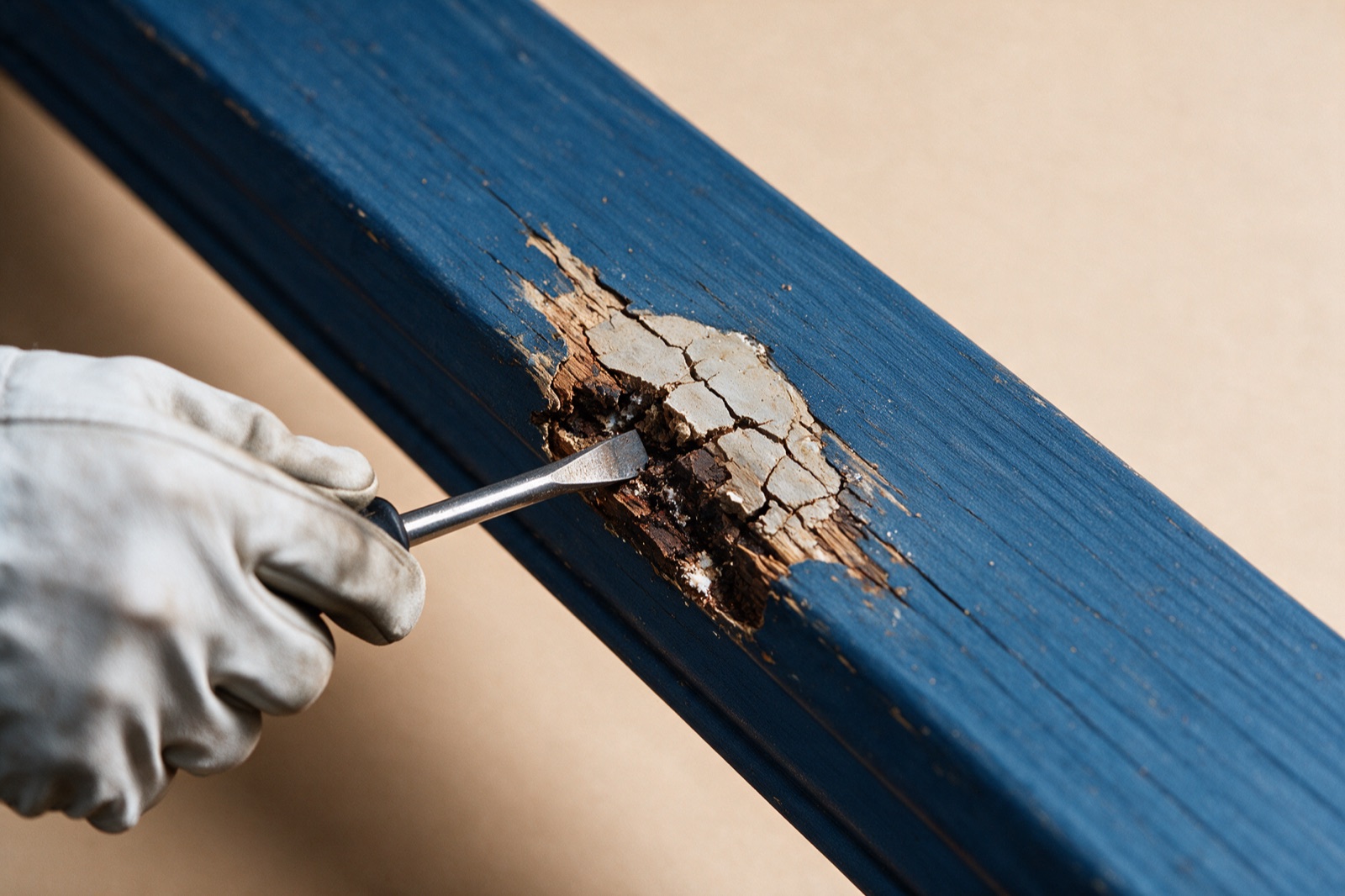
Wood Filler vs. Wood Replacement: When a Patch Isn't Enough
Wood filler vs. wood replacement for rot: why a basic filler patch over decayed wood usually fails, and how to tell if that's what you have.
Read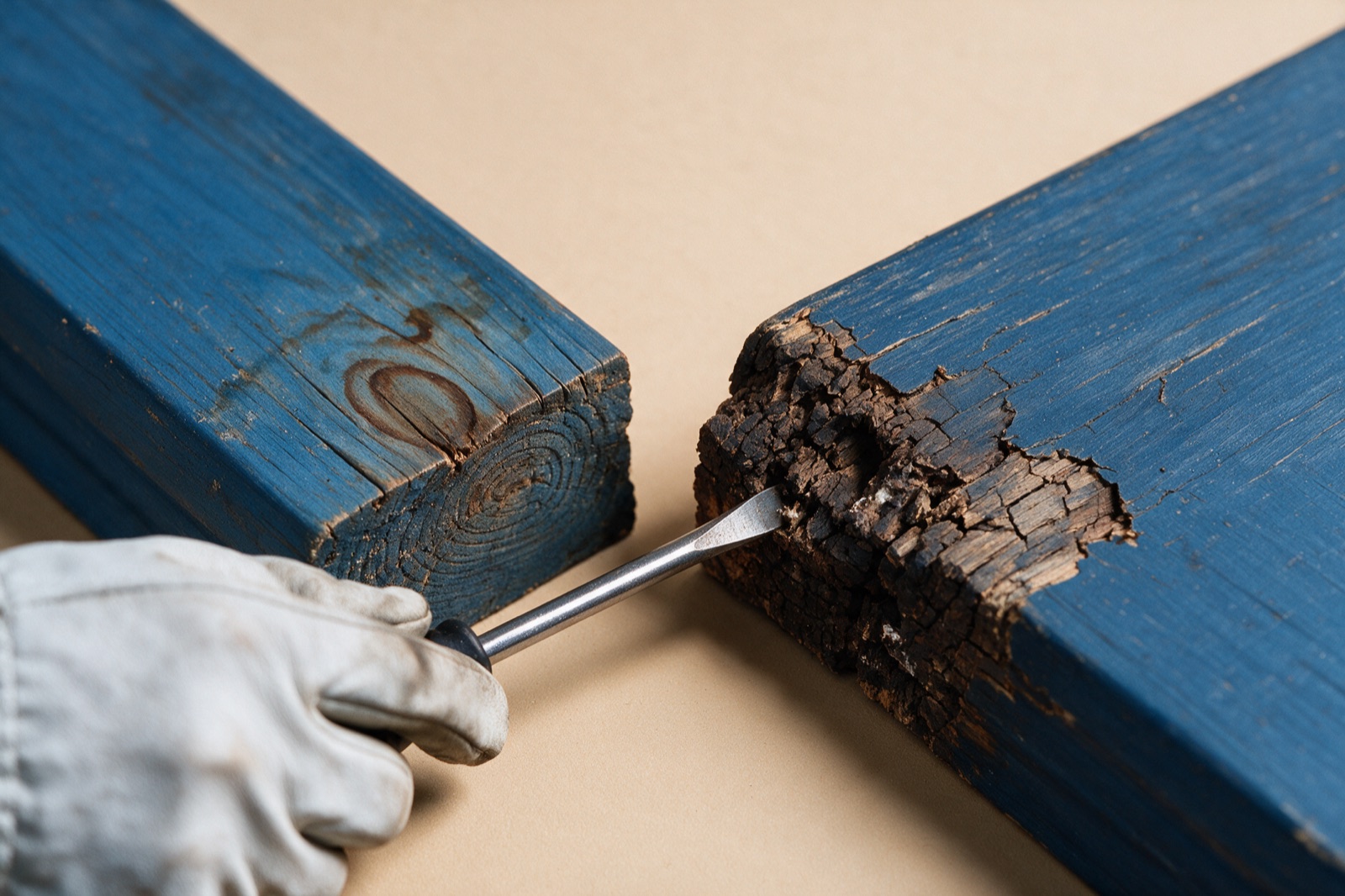
Wood Rot vs. Water Damage: How to Tell Them Apart
Wood rot vs. water damage: why they're not the same thing, and how the timing of water exposure determines which one you're actually dealing with.
Read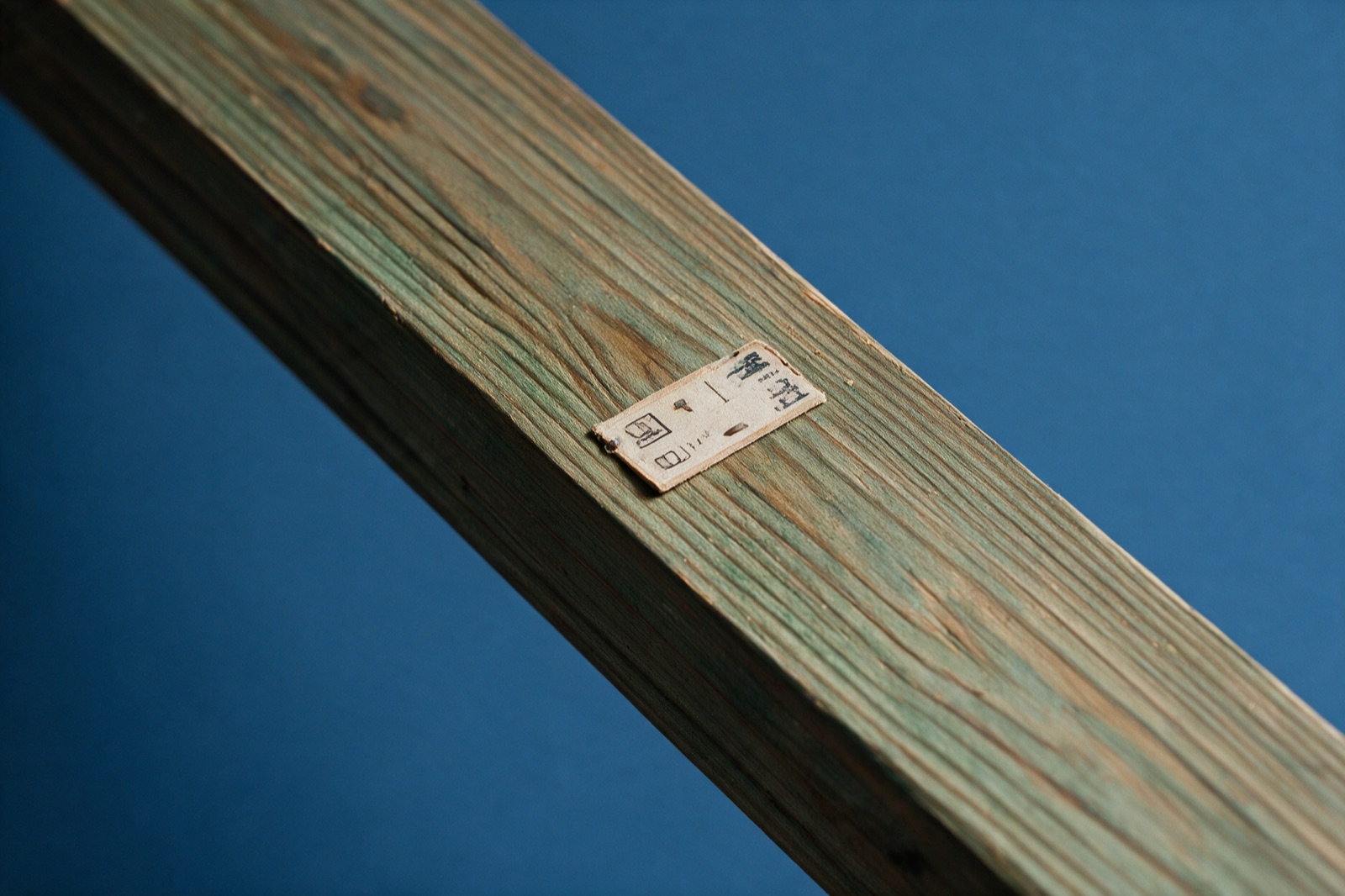
Pressure-Treated Lumber Ratings Explained (Canadian Standards)
Pressure-treated lumber ratings explained under Canada's CSA O80 standard, from dry interior use through severe saltwater exposure.
Read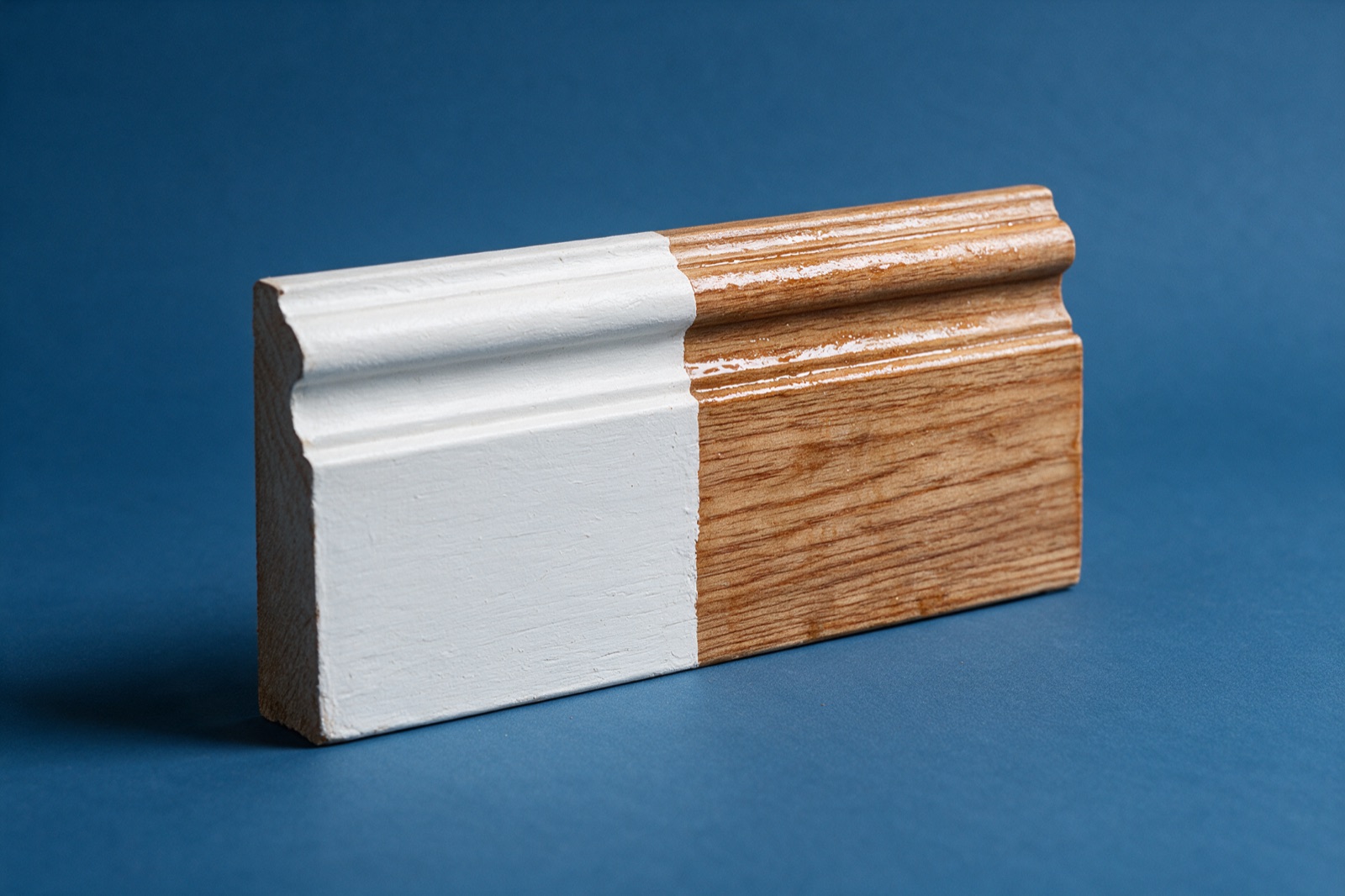
Best Wood Preservative for Exterior Trim in Vancouver's Climate
Best wood preservative for exterior trim in Vancouver's climate: real trade-offs between paint, stain, and penetrating preservatives.
Read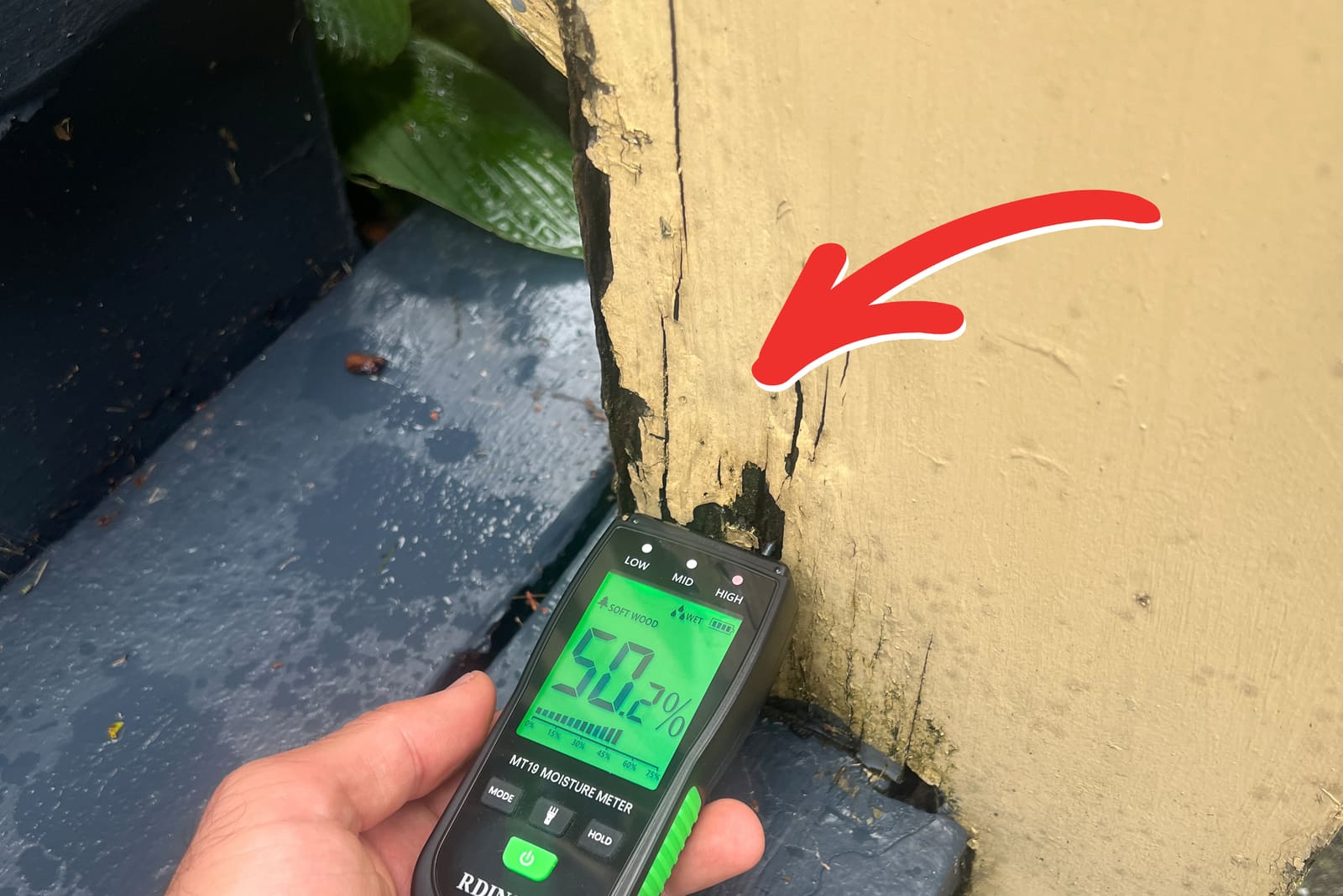
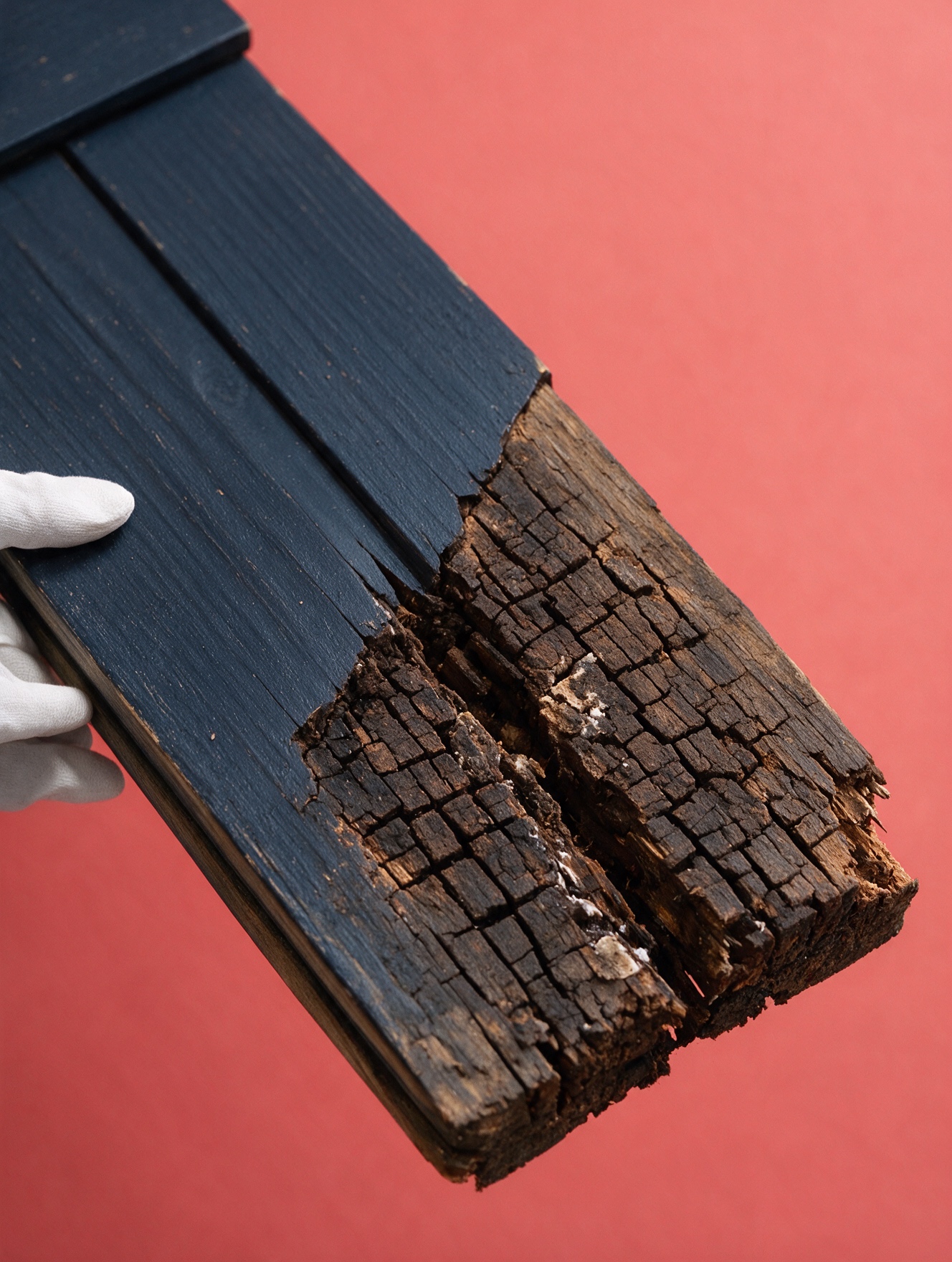
Deck Post Rot Repair: How to Spot and Fix Rotten Deck Posts
How to tell if a deck post is rotten, why the base rots first, when a post can be repaired and when it must be replaced, and what to do before it is unsafe.
Read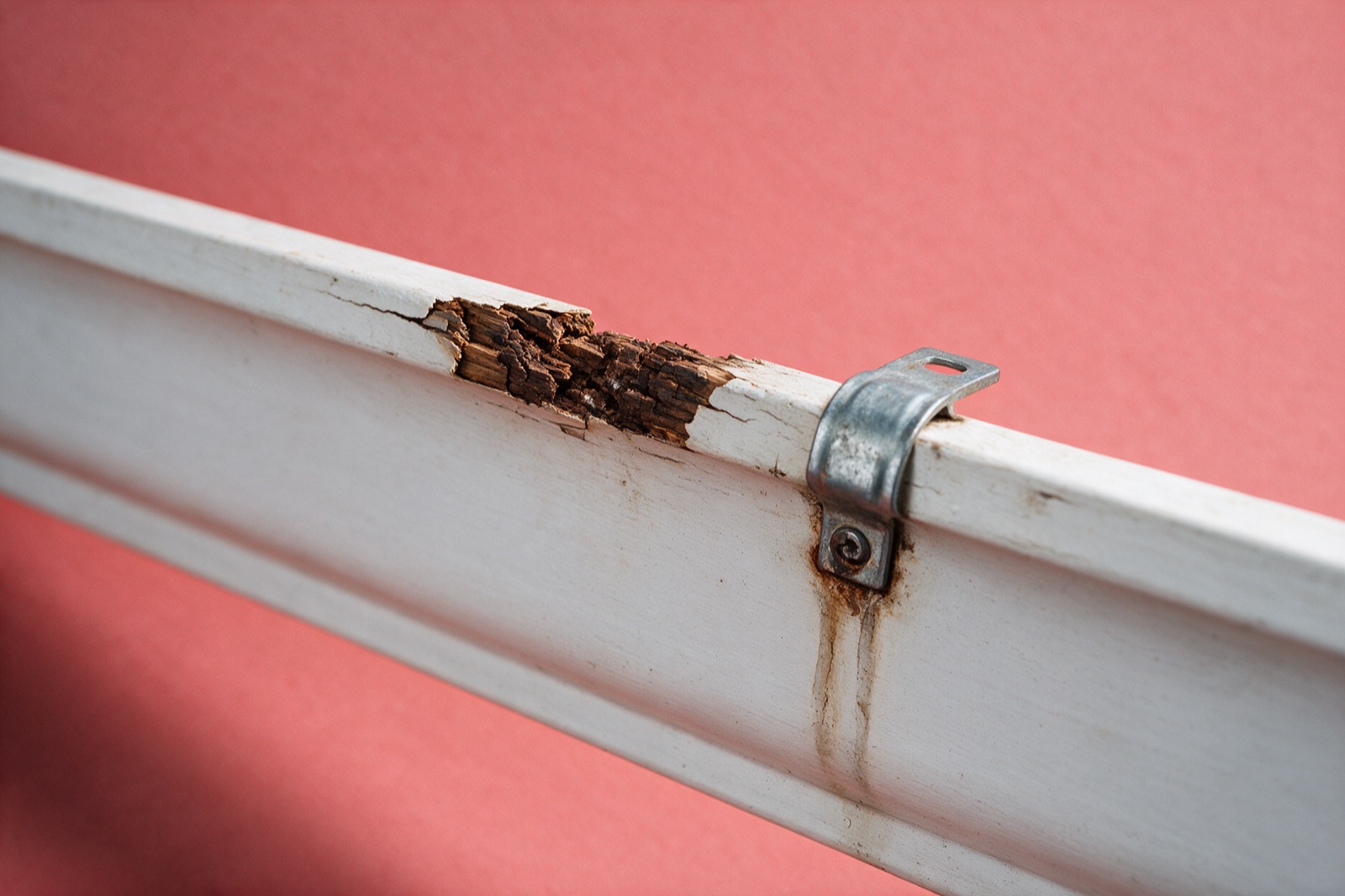
Rotten Fascia: Call a Wood Rot Specialist or a Gutter Company?
Rotten fascia in Vancouver: should you call a gutter company or a wood rot specialist? What each one does, what to ask, and what a proper repair costs.
ReadQuestions we hear a lot.
Wood rot is fungal decay, not simple aging. A fungus feeds on the cellulose in wood, and it needs sustained moisture to establish itself and keep growing. It starts wherever water reaches wood repeatedly without drying out, a failed seal, a clogged gutter, a grading issue, anything that keeps a piece of wood consistently damp long enough for decay to take hold.
The most reliable check is the Poke Test: press a flathead screwdriver into the wood. Solid wood resists. Decayed wood gives way easily, often sinking a quarter inch or more. Look for discoloration, a cube-like cracking pattern, or a musty smell, especially at windowsills, deck boards, and siding near ground level.
Wood rot and mold often show up together but aren't the same thing. Mold grows on the surface and is mainly an air-quality concern. Wood rot consumes the wood itself and compromises its structural integrity.
It depends entirely on the extent, which isn't something you can judge by eye. A documented moisture-meter reading tells you whether the affected wood is repairable with an epoxy consolidant or needs replacing. Early findings are almost always repairable. The only way to know for certain is an actual reading, not a guess.
Vancouver's roughly six-month wet season, mild temperatures that don't freeze decay dormant the way colder climates do, and, in many neighbourhoods, mature tree canopy that keeps siding and trim shaded and slow to dry, combine to make this a persistent issue here in a way it isn't everywhere in Canada.
It depends on how far the decay has progressed, and that's decided by a moisture-meter reading, not a visual guess. If sound wood remains, epoxy consolidation restores structural integrity. If decay has compromised the wood beyond that point, replacement is the honest answer. We tell you which one applies to your specific finding, in writing.
No. Painting over active rot traps moisture in rather than letting it escape, and it hides the wood's condition from view, making it harder to track whether the problem is getting worse. It's a common, well-intentioned mistake, not a fix.
Moisture control is the only thing that actually halts fungal activity. While arranging a proper repair, address any active leak source immediately, improve airflow to the area, and keep it as dry as possible. This buys time, it doesn't replace finding and fixing the actual cause.
Windowsills, brickmold, deck boards and ledgers, siding near ground level, fascia and soffits, and door thresholds, anywhere wood sits in repeated contact with water without a clear way to dry out.
Rot doesn't stay small. It's an active, living fungus that keeps consuming wood as long as moisture is present, and it can even go dormant when dry and reactivate once it's wet again. A small, contained finding today is the cheapest and simplest stage to address it.
A full 20-point check covering the most common failure points on a property, an actual moisture-meter reading at each relevant location, and a written report with our findings and a quote within 15 minutes of finishing the inspection if work is recommended. No charge, no obligation.
It depends entirely on the extent of decay and whether the fix is a repair or a replacement, which is exactly why we don't quote a number without seeing the wood and taking a real reading first. The free inspection gives you an actual, written price for your specific situation, not a rough estimate.
It ranges from a same-day fix for a contained repair to about a week for a larger job like a full deck replacement, depending on scope. Your written quote includes a realistic timeline for your specific job.
Yes. Every job comes with our 2-year craftsmanship guarantee. If our workmanship fails during that time, we repair or replace the work at no charge. Full terms are in your written quote.
We serve Vancouver and the surrounding Metro Vancouver area. If your community isn't specifically listed on our service area page, call us, we likely still travel there.
Wherever you are in Metro Vancouver, we're worth a call.
JUST LOOKING, OR READY TO BOOK? EITHER WAY, START HERE.
Tell us a bit about it and we'll call you back within 15 minutes, between 7am and 7pm every day.