Pressure-Treated Lumber Ratings Explained (Canadian Standards)
By STOP THE ROT CO.
This is the full reference version of pressure-treated lumber ratings explained under Canadian standards, built for a quick lookup rather than a deep dive. For the practical decision-making around specific applications, see our guides on treated lumber vs. untreated wood and ground-contact vs. above-ground treated lumber.
The Standard, Briefly
Pressure-treated lumber in Canada is governed by the CSA O80 Series of standards, referenced directly in the National Building Code of Canada and provincial building codes. Only wood preservatives registered by Health Canada’s Pest Management Regulatory Agency are permitted for use. The standard organizes treated wood into Use Categories (UC) based on the exposure conditions a product is actually built to withstand.
The Full Use Category Reference
Use Category ~ Exposure Condition ~ Typical Residential Examples
UC1 ~ Dry interior construction ~ Interior framing with no moisture exposure
UC2 ~ Dry interior, not in ground contact, but may see occasional dampness ~ Interior framing near bathrooms or other damp-prone interior areas
UC3.1 ~ Exterior, above ground, general exposure ~ Fascia, general exterior trim
UC3.2 ~ Exterior, above ground, structural applications ~ Deck framing, joists, structural members not in ground contact
UC4.1 ~ Ground contact or freshwater contact, general use ~ Fence posts, general ground-contact applications
UC4.2 ~ Ground contact or freshwater contact, critical or hard-to-inspect structural applications ~ Deck posts in concrete footings, critical structural connections
UC5 ~ Severe exposure, including saltwater contact ~ Marine applications, coastal structures with direct saltwater exposure
How to Verify a Rating
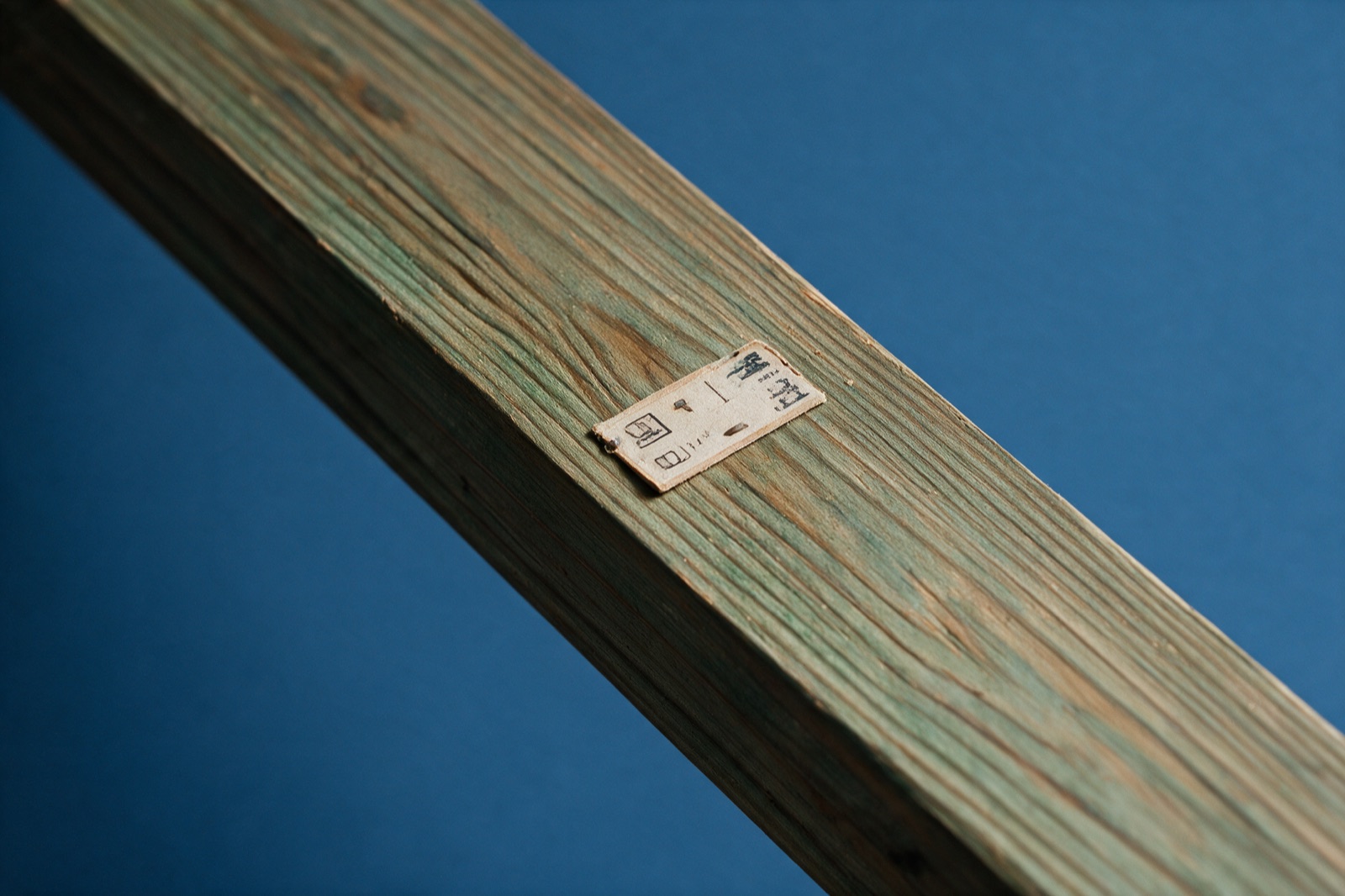
Properly treated lumber carries an end tag or stamp identifying its Use Category and treatment facility, part of CSA O80’s third-party inspection requirement. Without a visible, legible tag, a rating can’t be confirmed by inspection alone, worth keeping in mind when assessing existing structural lumber rather than assuming a category based on appearance or age.
Why This Matters
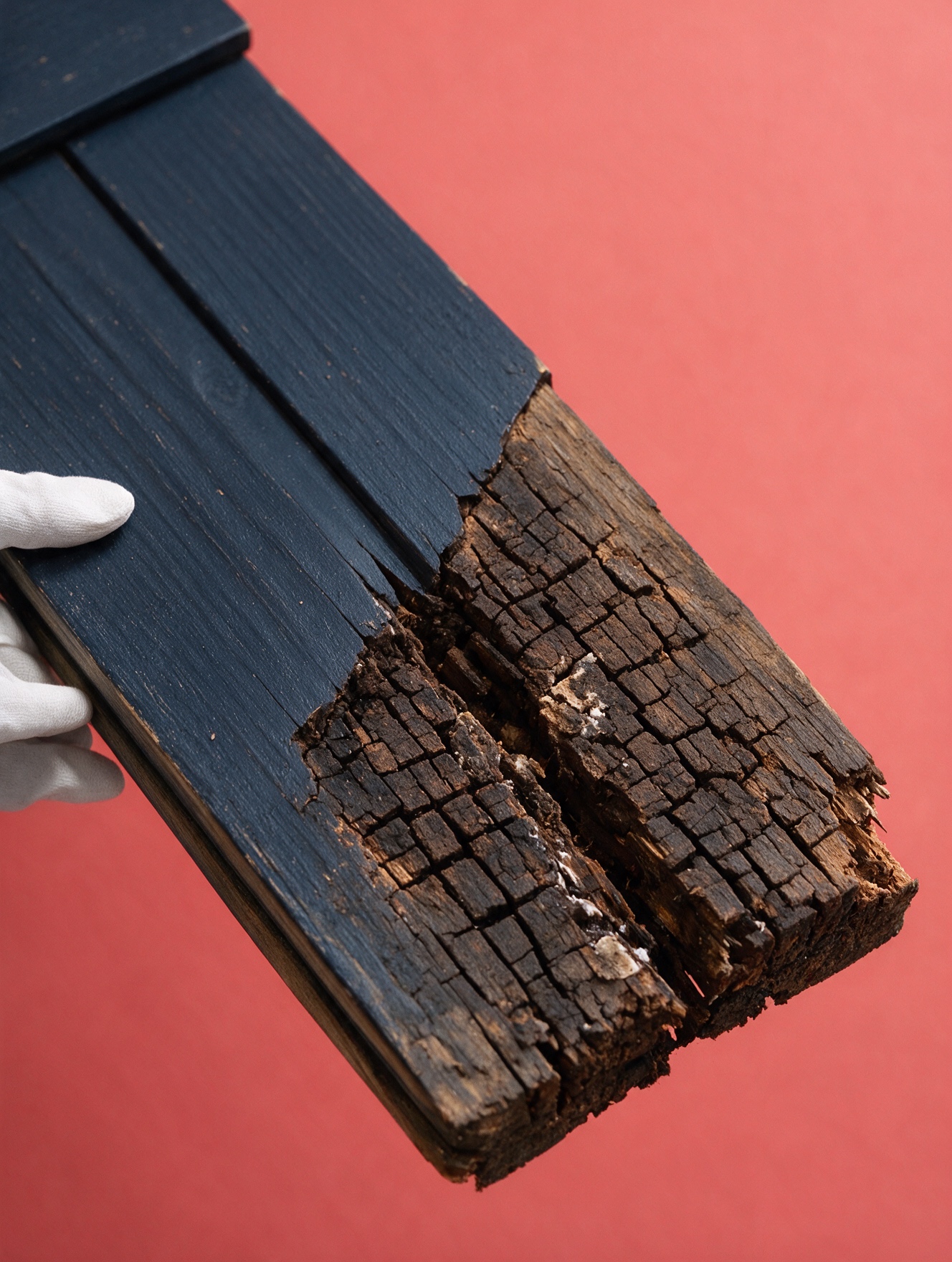
Using a lower-rated product in an application that calls for a higher one, UC3-rated lumber in a UC4 ground-contact application, for instance, is a genuine and common cause of premature structural failure. For the full explanation of why this happens and where the common mistakes occur, see our guide on ground-contact vs. above-ground treated lumber.
Wondering whether existing structural lumber on your property was rated correctly?
Rating codes matter most where lumber meets the ground, see Deck Wood Rot Repair for how we apply this on an actual job.
Sources: Canadian Wood Council, CSA O80 Wood Preservation; National Building Code of Canada; Health Canada Pest Management Regulatory Agency.