Best Wood Preservative for Exterior Trim in Vancouver's Climate
By STOP THE ROT CO.
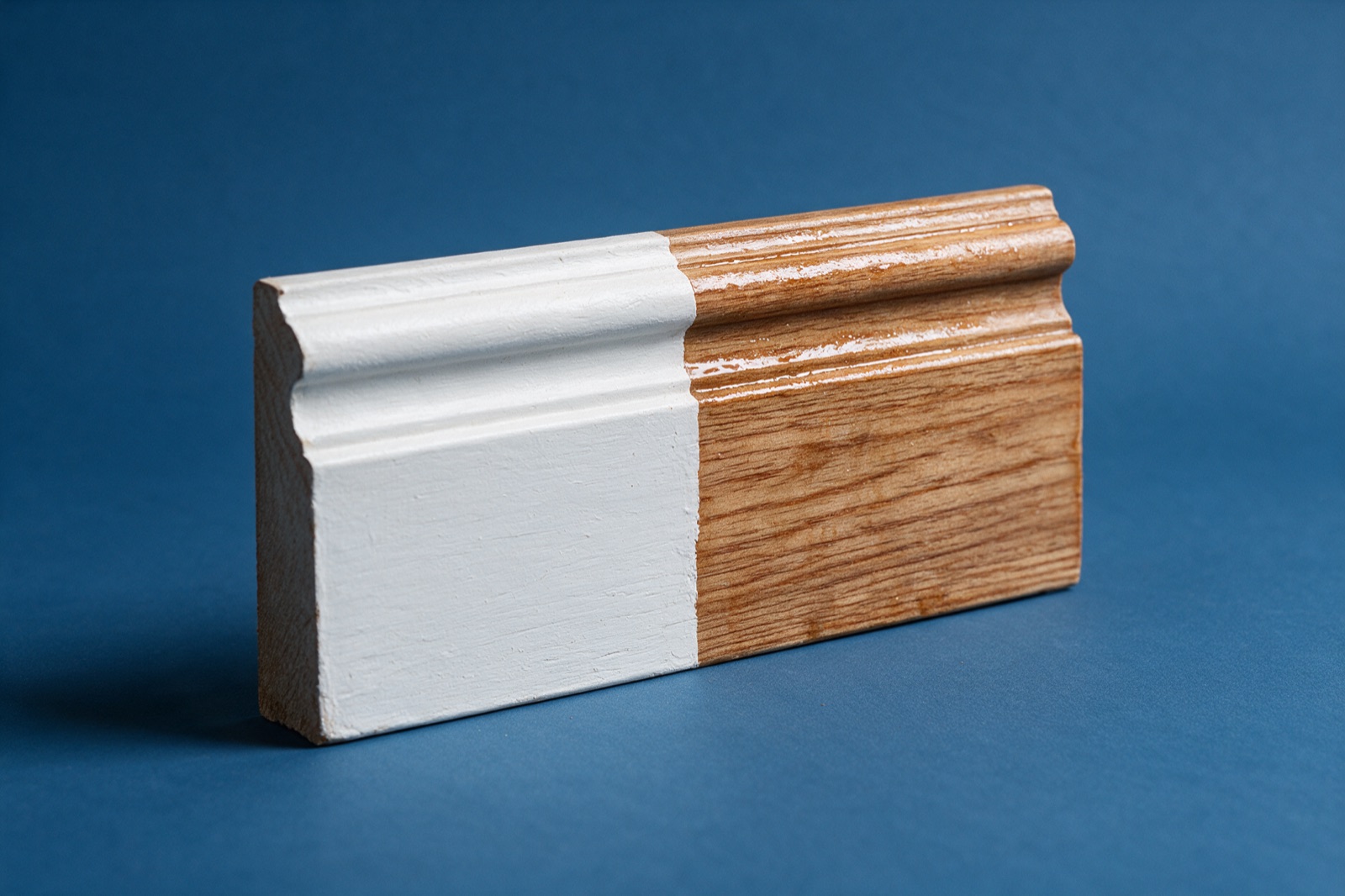
Choosing the best wood preservative for exterior trim in Vancouver comes down to one core trade-off more than any specific product name: how much of a barrier you want between the wood and the weather, and what happens if that barrier eventually fails.
The Core Trade-off: Film-Forming vs. Penetrating
Products that protect exterior wood generally fall into two categories. Film-forming finishes, paint being the most common, create a continuous surface layer that blocks moisture as long as it stays intact. Penetrating finishes, stains and clear water repellents, soak into the wood fiber rather than sitting on top, offering less of a hard barrier but a different failure mode when they eventually wear.
Paint: Maximum Protection, With a Real Risk
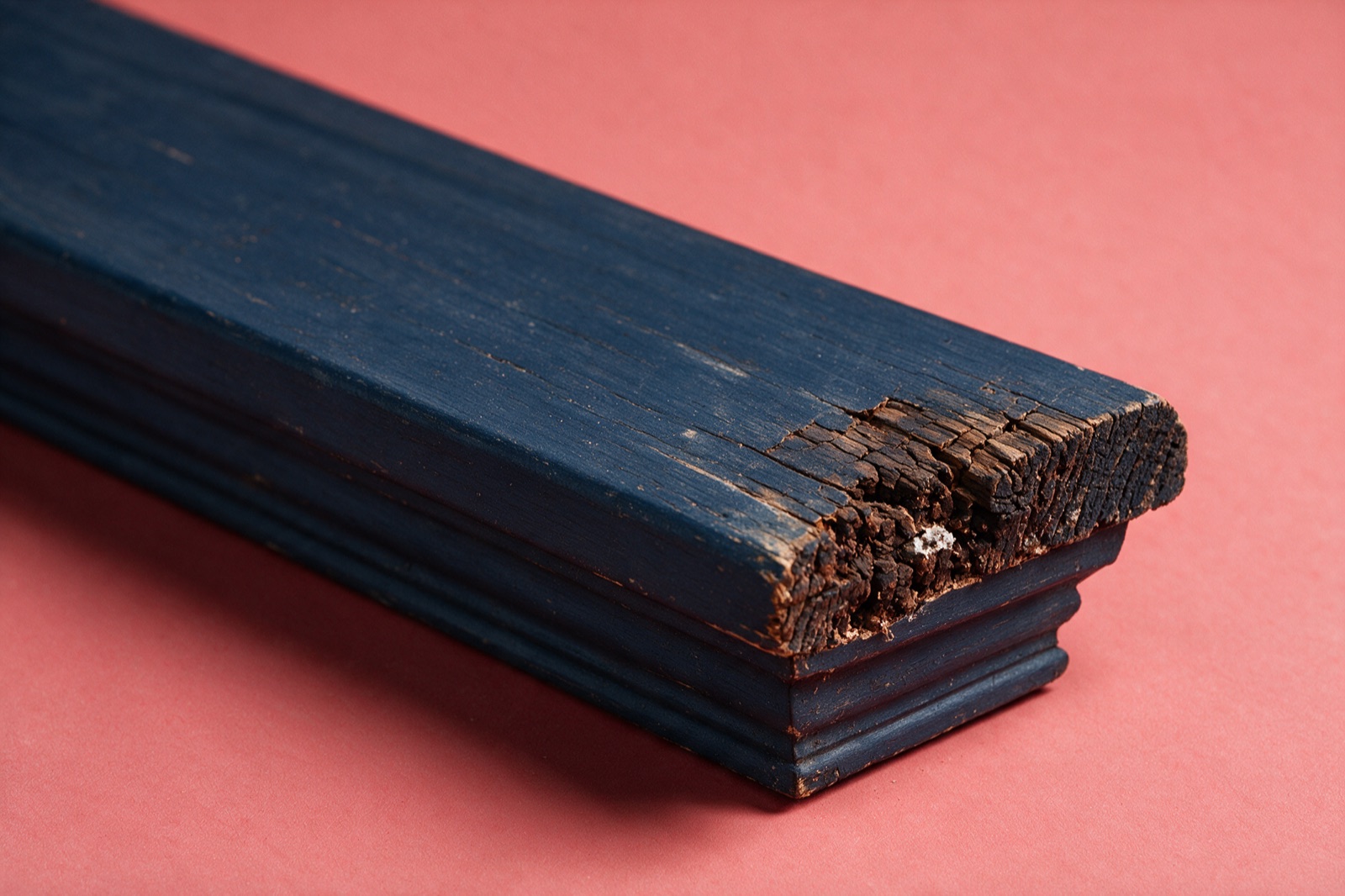
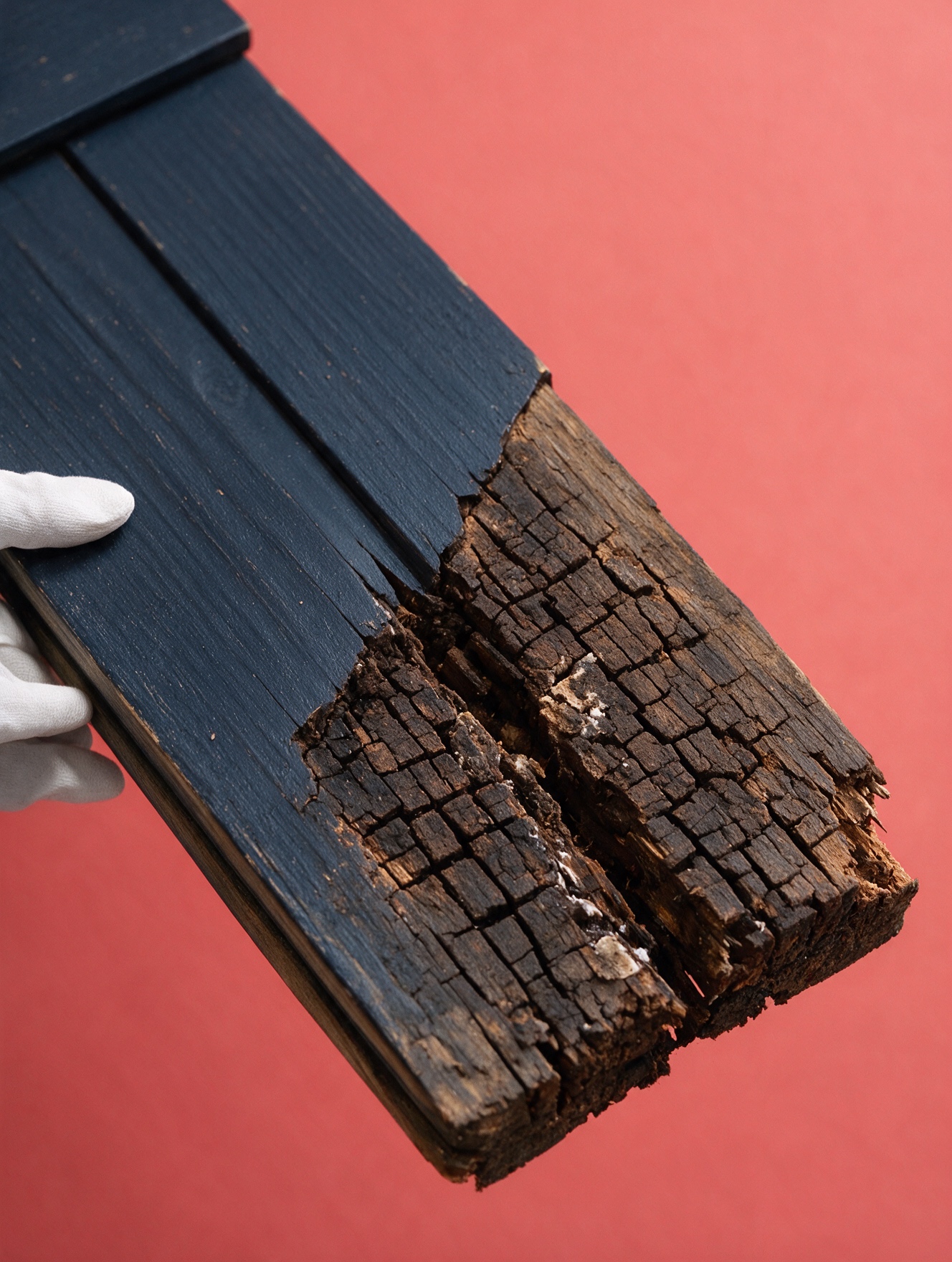
Paint offers the most complete moisture barrier of the common options, when it’s intact. The risk is what happens when it isn’t. A cracked or failed paint film doesn’t just look bad, it can trap moisture that gets underneath it against the wood, and it hides the wood’s condition from view, exactly the scenario covered in our guide on fake rot vs. real rot. Paint is a strong choice for trim, provided the maintenance schedule actually happens, since neglected paint failure is arguably worse for wood than no film at all.
Solid and Semi-Transparent Stains: A Middle Ground
Stains penetrate rather than fully sealing the surface, which means they don’t fail the same catastrophic way paint can, there’s no continuous film to crack and trap moisture underneath. They generally require more frequent reapplication than paint to maintain protection, and semi-transparent versions offer less UV protection than a solid, fully opaque stain.
Clear Penetrating Water-Repellent Preservatives
These offer the lightest touch, soaking into the wood to repel water without changing its appearance significantly. They typically need the most frequent reapplication of the common options, often every one to two years, and usually offer minimal UV protection unless a tint or additional UV-blocking agent is included. They’re a reasonable choice where preserving a natural wood look matters more than minimizing maintenance frequency.
Borate Pre-Treatment for New or Replacement Wood
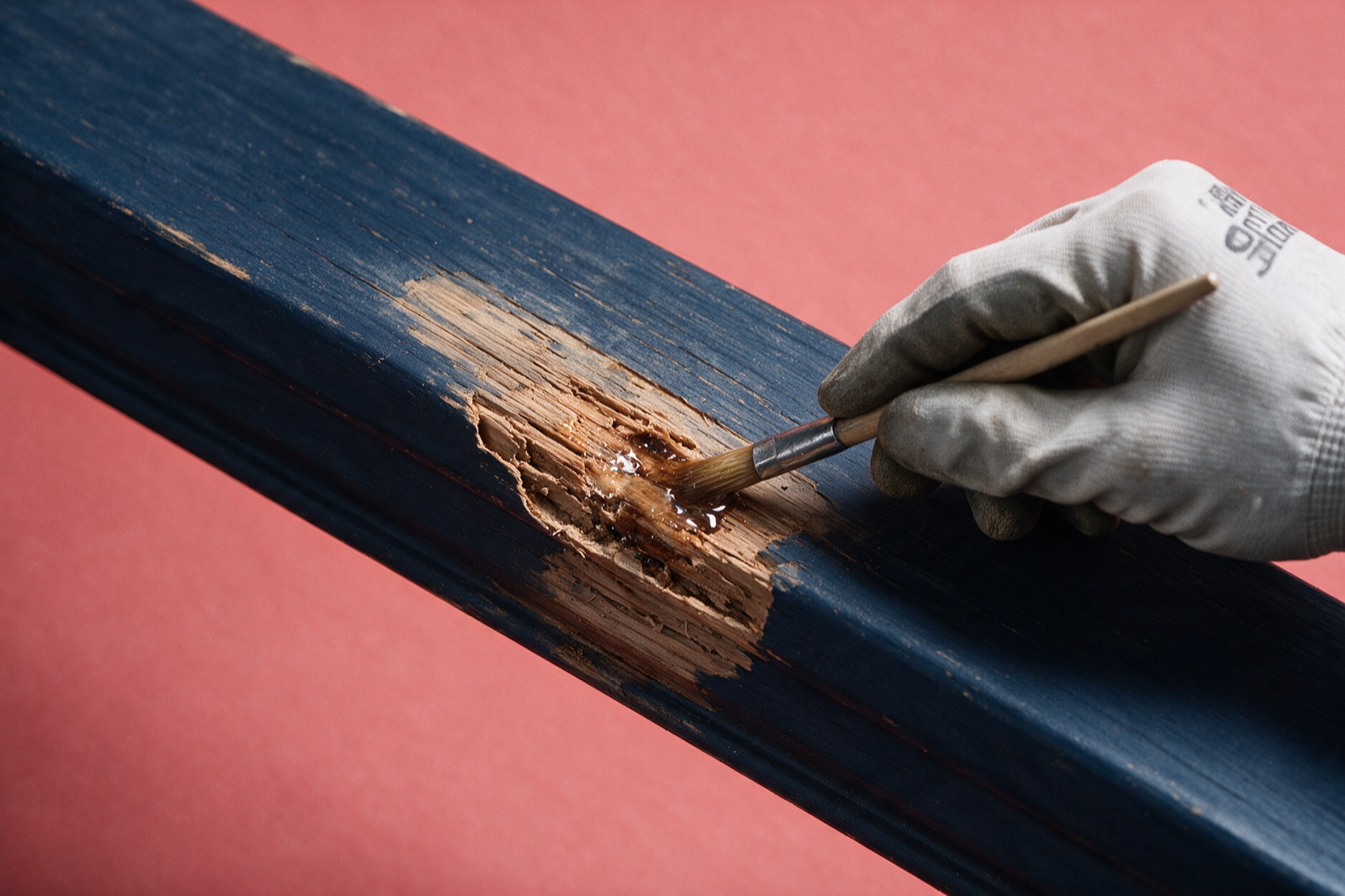
For wood going into a repair or replacement, particularly in a high-risk location, a borate treatment applied before final finishing adds a layer of fungal protection the finish coat alone doesn’t provide. This is a different category from the finishes above, a preventive treatment rather than a surface protectant, and it’s most effective when paired with a proper sealed finish over top, since borate itself can leach out with sustained direct water exposure if left unsealed. For the fuller picture, see our guide on epoxy vs. borate.
What Actually Matters Most in Vancouver’s Climate
Given Environment and Climate Change Canada’s climate data showing roughly six months of wet season here, reapplication discipline matters more than which specific product category you choose. A quality product neglected past its maintenance window fails regardless of type, and a modest product maintained on schedule outperforms a premium one that’s ignored. A few practical considerations worth weighing:
Horizontal surfaces (sills, rail tops) take more direct water and generally need more frequent attention than vertical trim, regardless of finish type
South and west-facing trim sees more UV exposure, which degrades any finish faster, and benefits from a product with real UV resistance, not just water repellency
A failed film is worse than no film, so if a maintenance schedule realistically isn’t going to happen consistently, a penetrating option that fails more gracefully may be the more honest choice than paint
What We Use
Material and finish choice on every repair depends on the specific location, its exposure, and what’s actually being protected, covered in full on our How We Fix It page.
Not sure what finish approach makes sense for your trim?
The right preservative only helps if the trim itself is sound, see Fascia Wood Rot Repair for how we assess that first.
Sources: Environment and Climate Change Canada, Canadian Climate Normals; Canadian Wood Council, durability and decay research.