Wood Rot vs. Water Damage: How to Tell Them Apart
By STOP THE ROT CO.
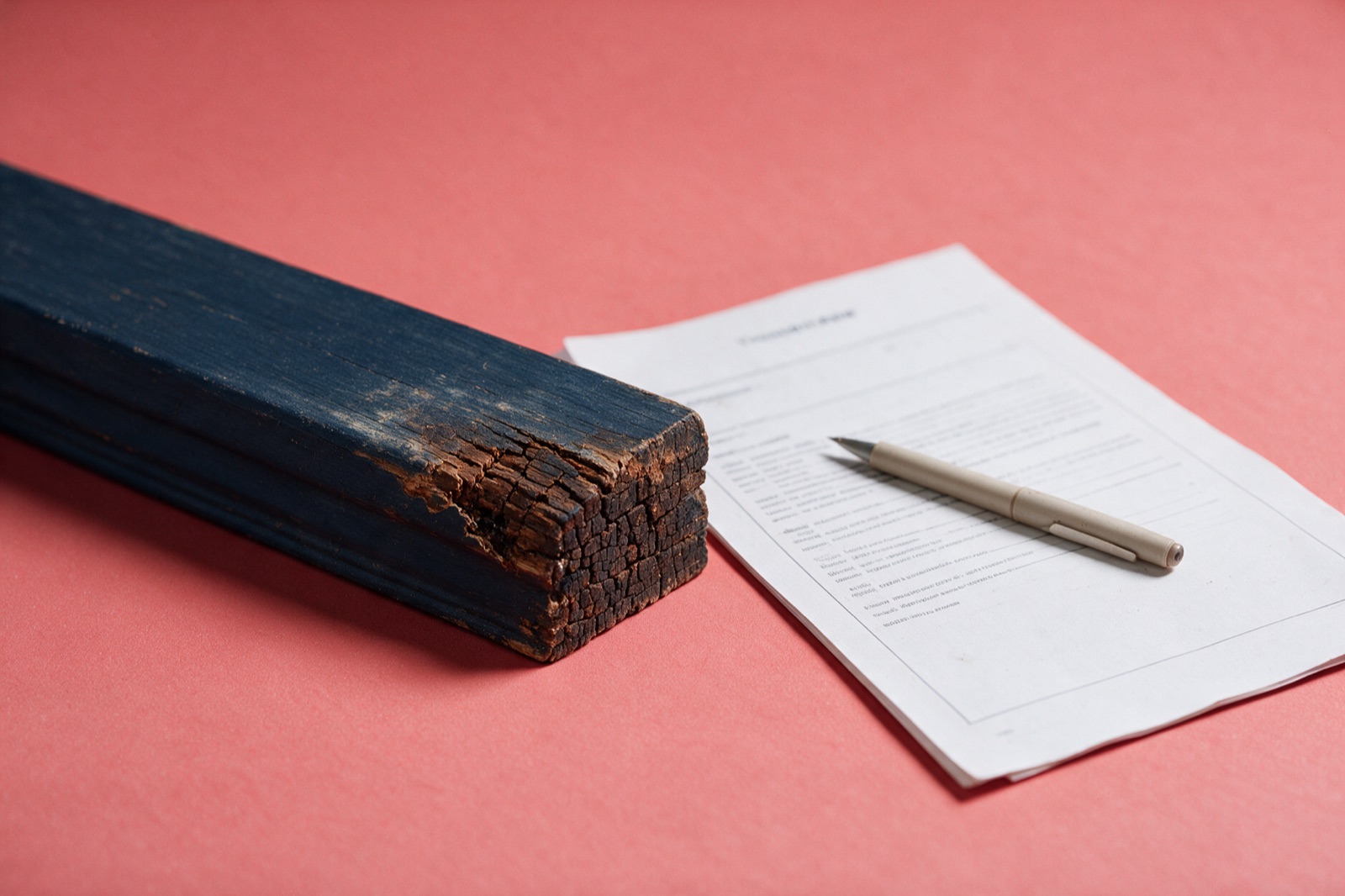
Wood rot vs water damage is a slightly different comparison than it might first appear, since water damage isn’t really a competing diagnosis to rot, it’s the broader category rot sometimes falls into. Not all water damage becomes rot, and understanding why comes down to one factor: time.
What Water Damage Actually Covers
Water damage is a broad term for any harm caused by water exposure, staining, warping, swelling, buckling, or finish failure, and it can affect far more than wood, drywall, flooring, and insulation all fall under the same umbrella. Wood specifically can absorb water, swell, and show visible staining or discoloration from a single, relatively brief exposure event without any fungal decay ever taking hold.
What Separates Rot From the Rest of That Category
Wood rot requires sustained moisture over time, not just a wetting event. According to CMHC’s guidelines for on-site wood moisture measurement, wood is generally considered low-risk under roughly 19 to 20 percent moisture content, with active decay becoming likely only once that threshold is exceeded and maintained.
A single spill, a brief roof leak caught and fixed quickly, or wood that got wet and then dried out within a reasonable window can cause visible water damage, staining, minor warping, without ever crossing into actual fungal decay, simply because the moisture didn’t stay long enough for decay fungi to establish themselves.
Why the Timing Distinction Matters Practically
This is directly relevant if you’re dealing with an insurance question, since Canadian home insurance generally distinguishes between sudden, accidental water events and gradual, ongoing moisture exposure. According to the Insurance Bureau of Canada, sudden and accidental water damage, a burst pipe, for instance, is more commonly covered, where damage from a slow, ongoing issue is typically treated as a maintenance matter and excluded.
Wood rot, by definition, requires the kind of sustained exposure that tends to fall on the gradual side of that line, where surface-level water damage from a single sudden event has a better chance of being treated differently. For the full breakdown, see our Insurance Claims Guide.
How to Tell Which One You’re Actually Looking At
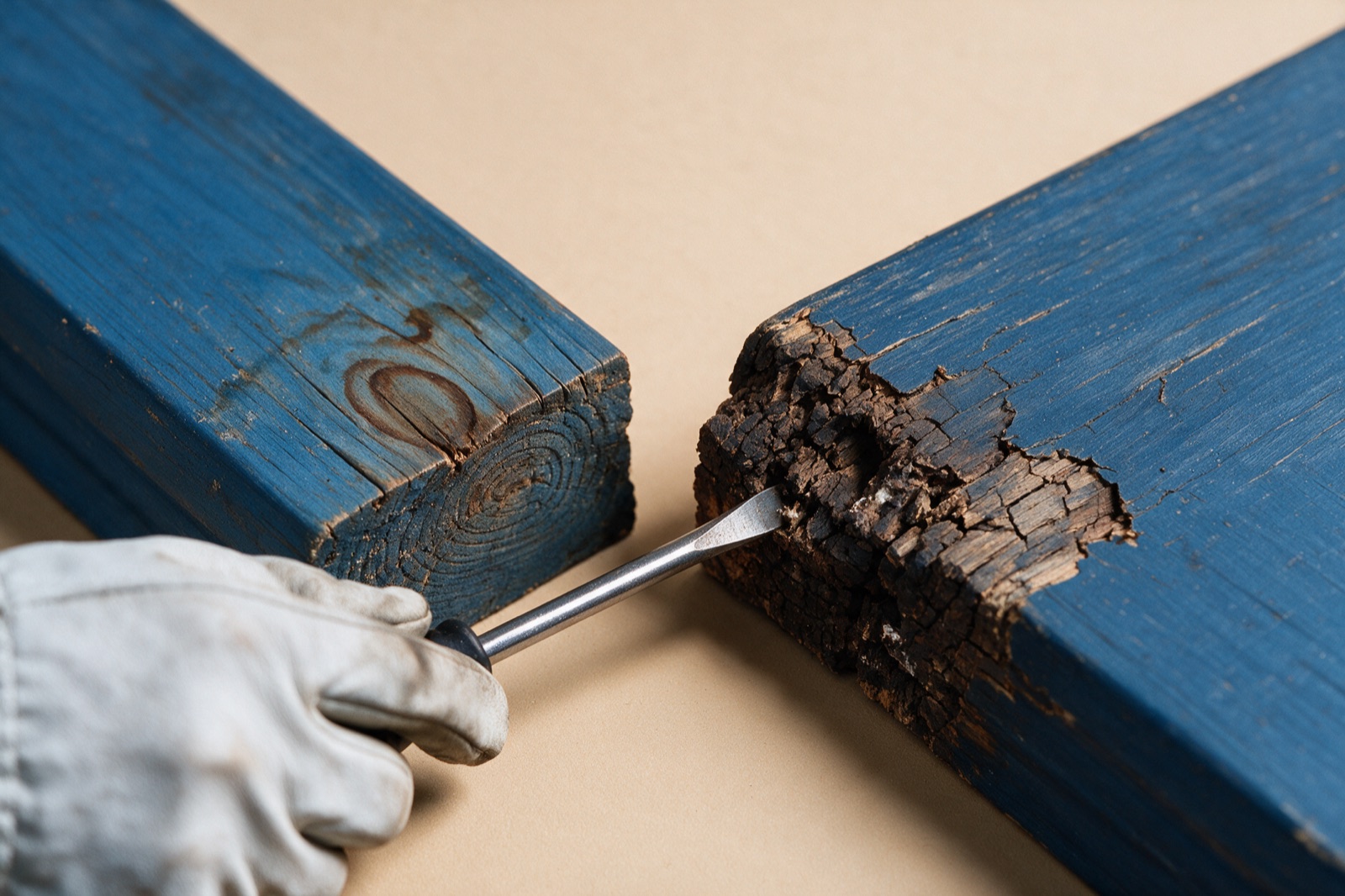
Water damage without rot typically shows as staining, cupping, warping, or swelling, with the wood still structurally solid underneath. The Poke Test confirms this: a screwdriver pressed into the wood meets real resistance, the material hasn’t lost its structural integrity, even if it looks discolored or misshapen.
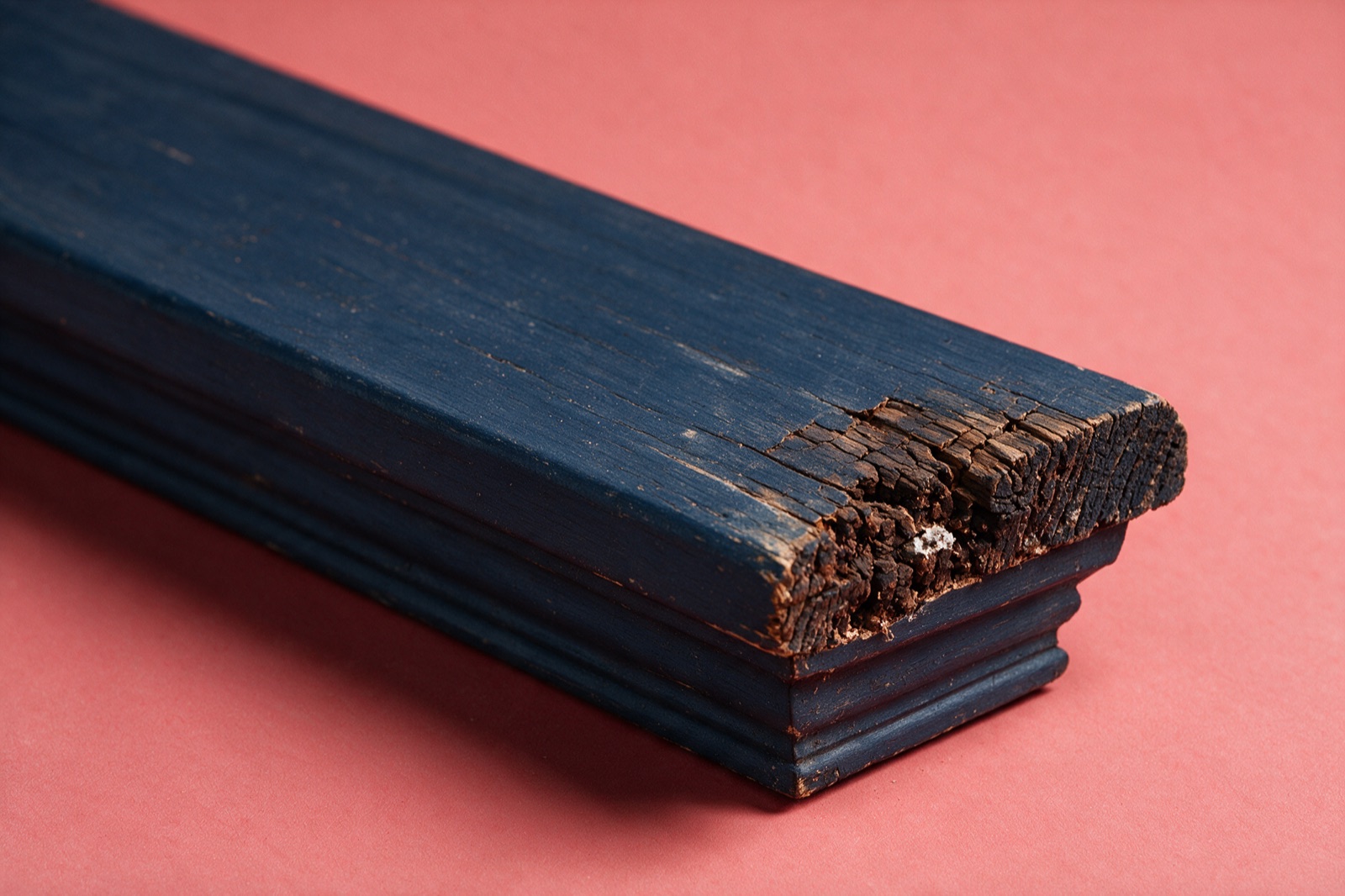
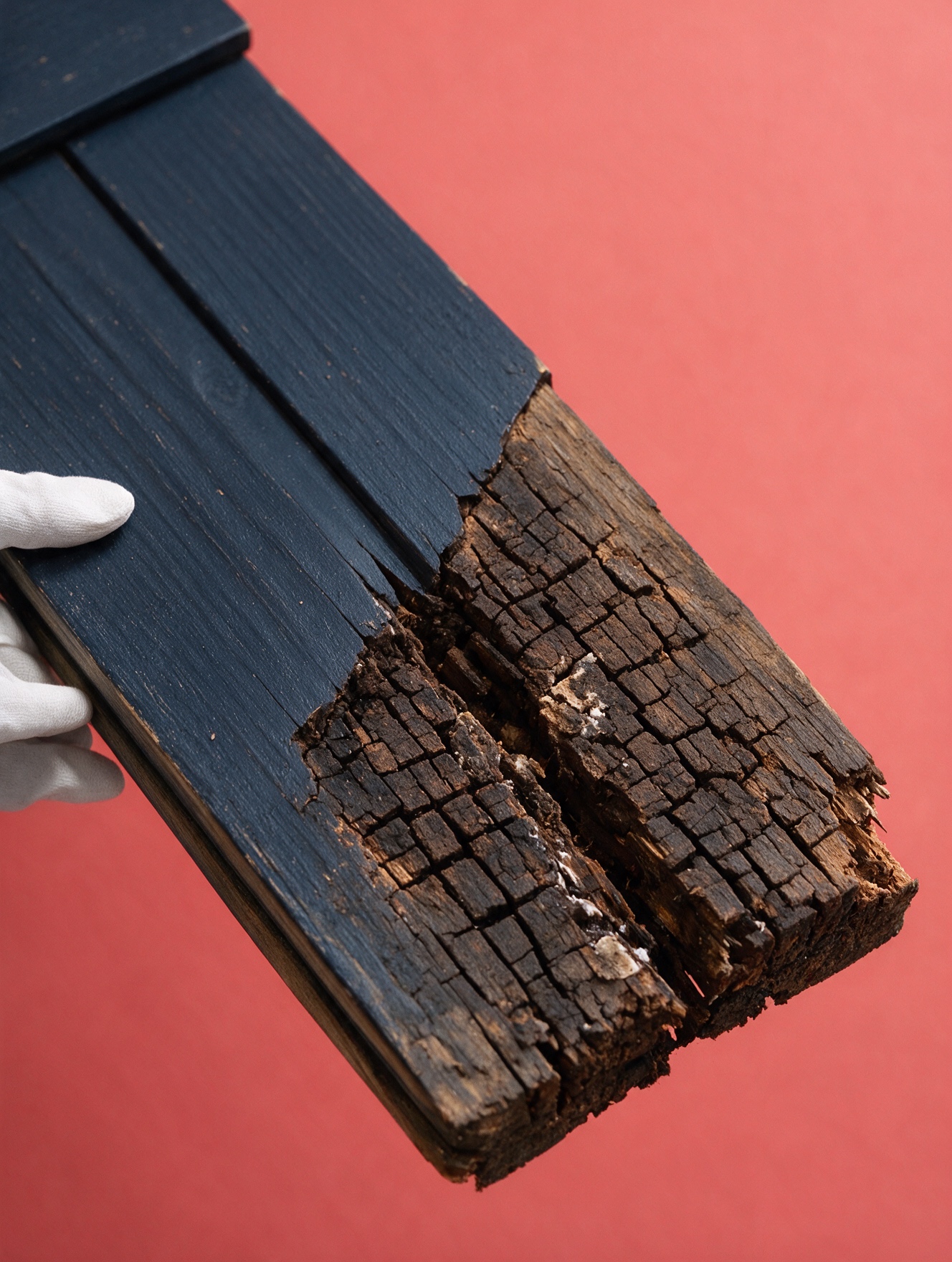
Wood rot shows softness. The Poke Test sinks in easily, often a quarter inch or more with minimal pressure, and in more advanced cases the wood shows the cube-like cracking pattern typical of brown rot, or crumbles outright.
What Each One Means for Repair
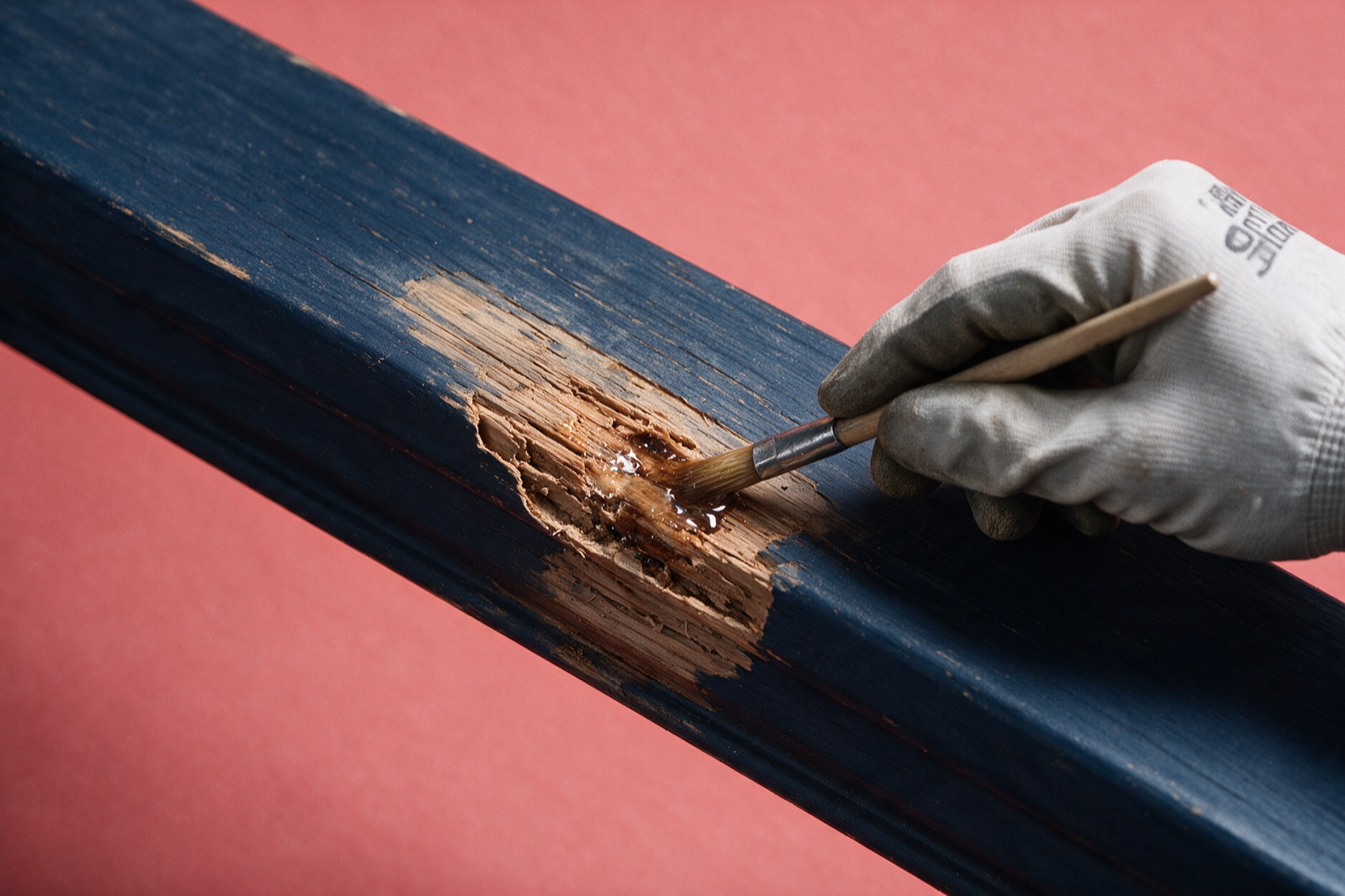
Water damage without rot often just needs drying out, and depending on severity, refinishing or replacement of a finish surface, not the structural wood itself. Actual rot requires the full assessment: identifying and correcting the moisture source, then repairing or replacing the affected wood based on a moisture-meter reading, not a visual guess.
Not sure whether what you’re looking at is surface damage or active decay?
When the source is a plumbing leak rather than weather exposure, see Water Leak Rot Damage Repair for how that changes the repair.
Sources: Canada Mortgage and Housing Corporation (CMHC), Guidelines for On-Site Measurement of Moisture in Wood Building Materials; Insurance Bureau of Canada, home insurance coverage guidance.