How to Stop Wood Rot From Spreading
By STOP THE ROT CO.
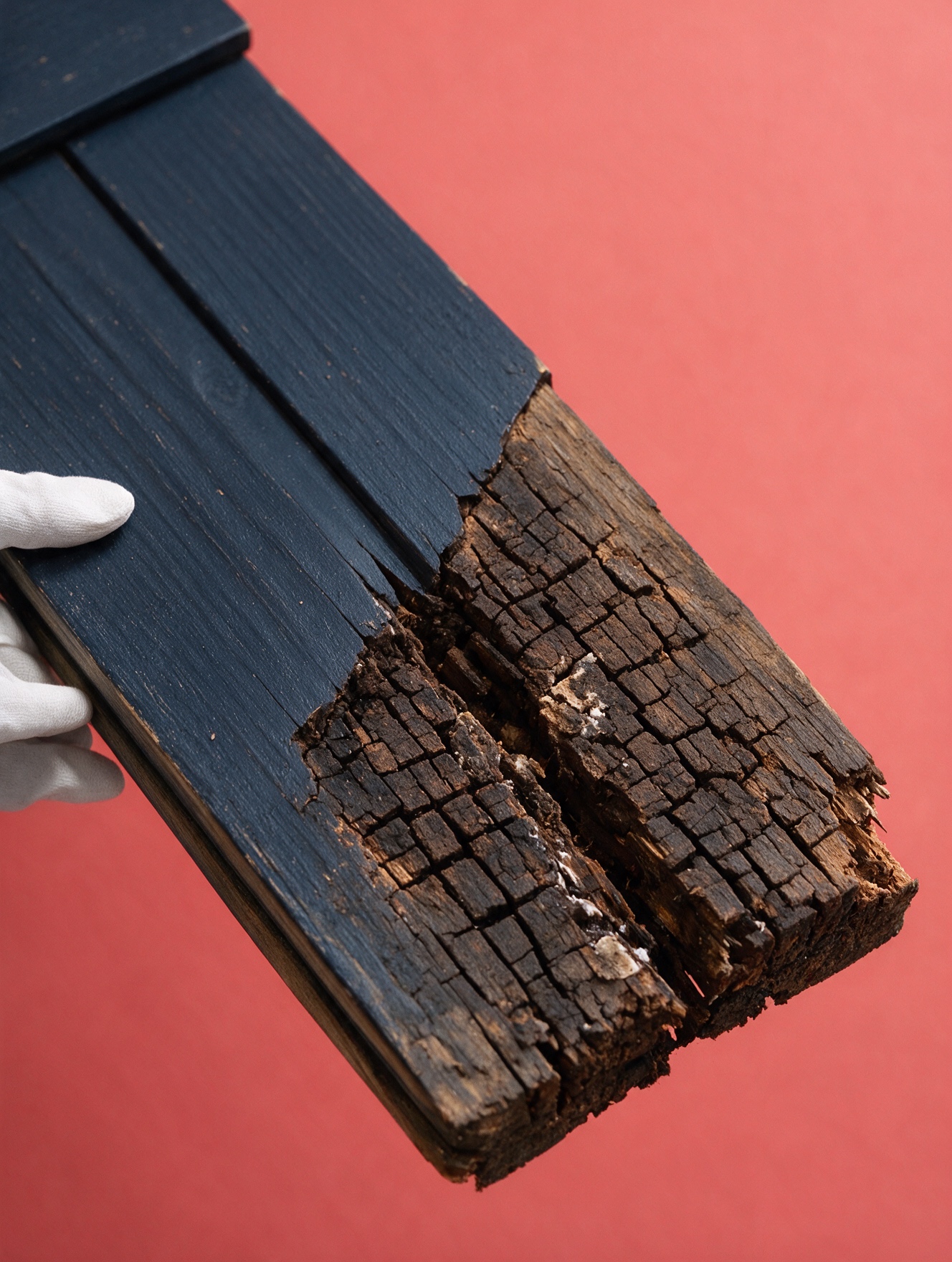
Once rot is found, the natural next question is how to stop wood rot from spreading before a proper repair can happen. The good news: there’s one variable that actually controls this, and it’s the same one that caused the problem in the first place.
The Only Thing That Actually Halts It
Fungal decay requires sustained moisture to remain active. According to CMHC’s guidelines for on-site wood moisture measurement, wood generally stays low-risk under roughly 19 to 20 percent moisture content, and decay activity increases substantially above roughly 28 to 30 percent. Reduce the moisture reaching the wood, and fungal activity slows and eventually stops. There’s no product or treatment that overrides this. Moisture control is the mechanism, not an accessory to it.
Immediate Steps While You Arrange a Proper Repair
Address any obvious active leak source right away, even if the full repair has to wait. A dripping gutter, a failed seal, or standing water pooling against the affected area is actively feeding the problem every day it continues.
Improve airflow to the area if possible. Clearing a blocked vent, opening up a cramped, humid space, or simply removing anything trapping moisture against the wood (debris, dense plantings in contact with siding) helps the area dry out rather than stay saturated.
Keep the area as dry as you reasonably can until a proper assessment happens. This isn’t a fix, it’s damage control, buying time without making the underlying problem worse.
What Not to Do
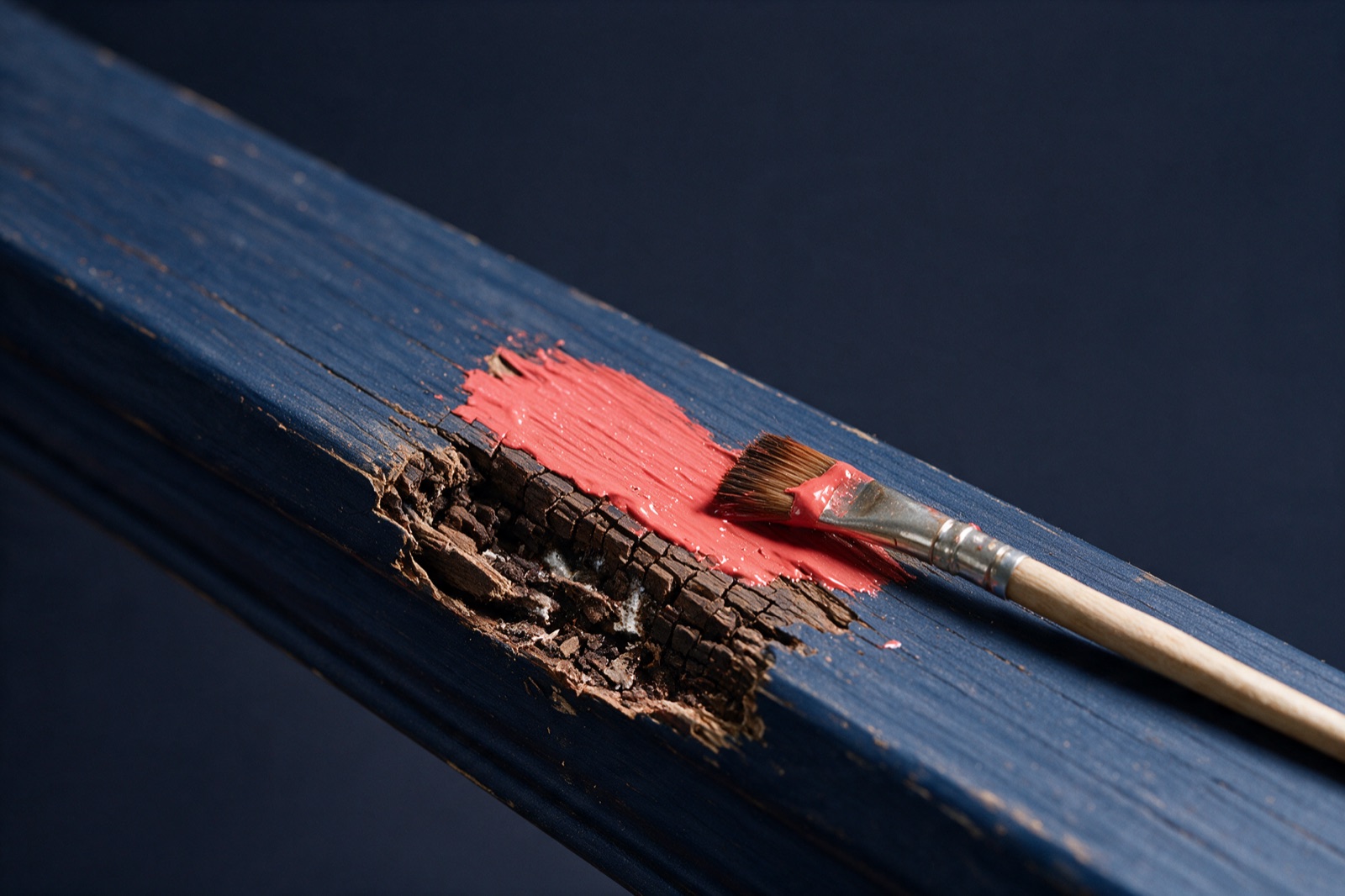
Don’t paint or seal over it as a stopgap. This is one of the most common, well-intentioned mistakes. A fresh coat of paint over active decay traps moisture inside rather than letting it escape, and it hides the wood’s condition from view, making it harder to track whether the problem is getting worse before a proper repair happens.
Don’t assume a small area doesn’t matter. A contained finding today is exactly the stage where intervention is cheapest and simplest. Waiting to see if it stays small isn’t a strategy, it’s just delay.
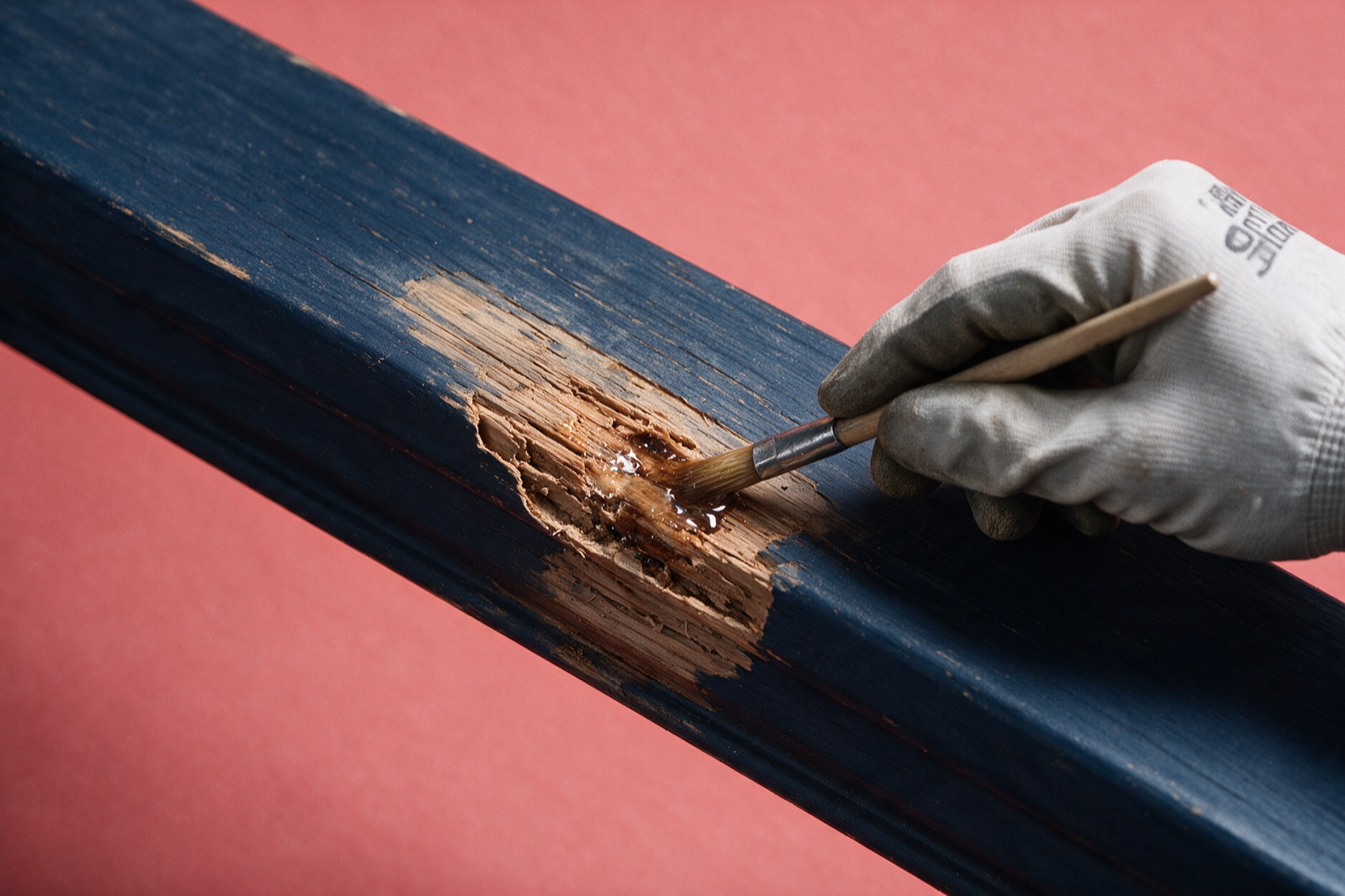
Don’t apply an unknown treatment hoping it resolves things. Various products claim to treat wood rot directly, but without knowing the actual extent of the damage and its cause, applying something ad hoc can mask a problem rather than solve it.
Why “It Dried Out and Stopped”
Doesn’t Mean It’s Resolved Rot that dries out can appear to have stopped, no longer visibly active, no fresh growth. But the fungus itself can remain dormant in that wood rather than dead, and it can reactivate the moment moisture returns. Dry, dormant-looking rot isn’t the same as resolved rot. For more on how this dormancy works, see our guide on dry rot vs. wet rot.
Why a Real Fix Still Requires Finding the Cause
Everything above is genuinely useful for slowing things down, but it isn’t a substitute for identifying and correcting whatever let moisture reach the wood in the first place. Managing symptoms indefinitely isn’t the same as resolving the problem, and the moisture source, not just the visible wood, is what a proper repair actually addresses.
Found something and want it properly assessed?
Stopping active spread starts with knowing exactly how far it’s gone, which is what our free 20-point inspection documents with a real moisture reading.
Sources: Canada Mortgage and Housing Corporation (CMHC), Guidelines for On-Site Measurement of Moisture in Wood Building Materials; Canadian Wood Council, durability and decay research.