Wood Filler vs. Wood Replacement: When a Patch Isn't Enough
By STOP THE ROT CO.
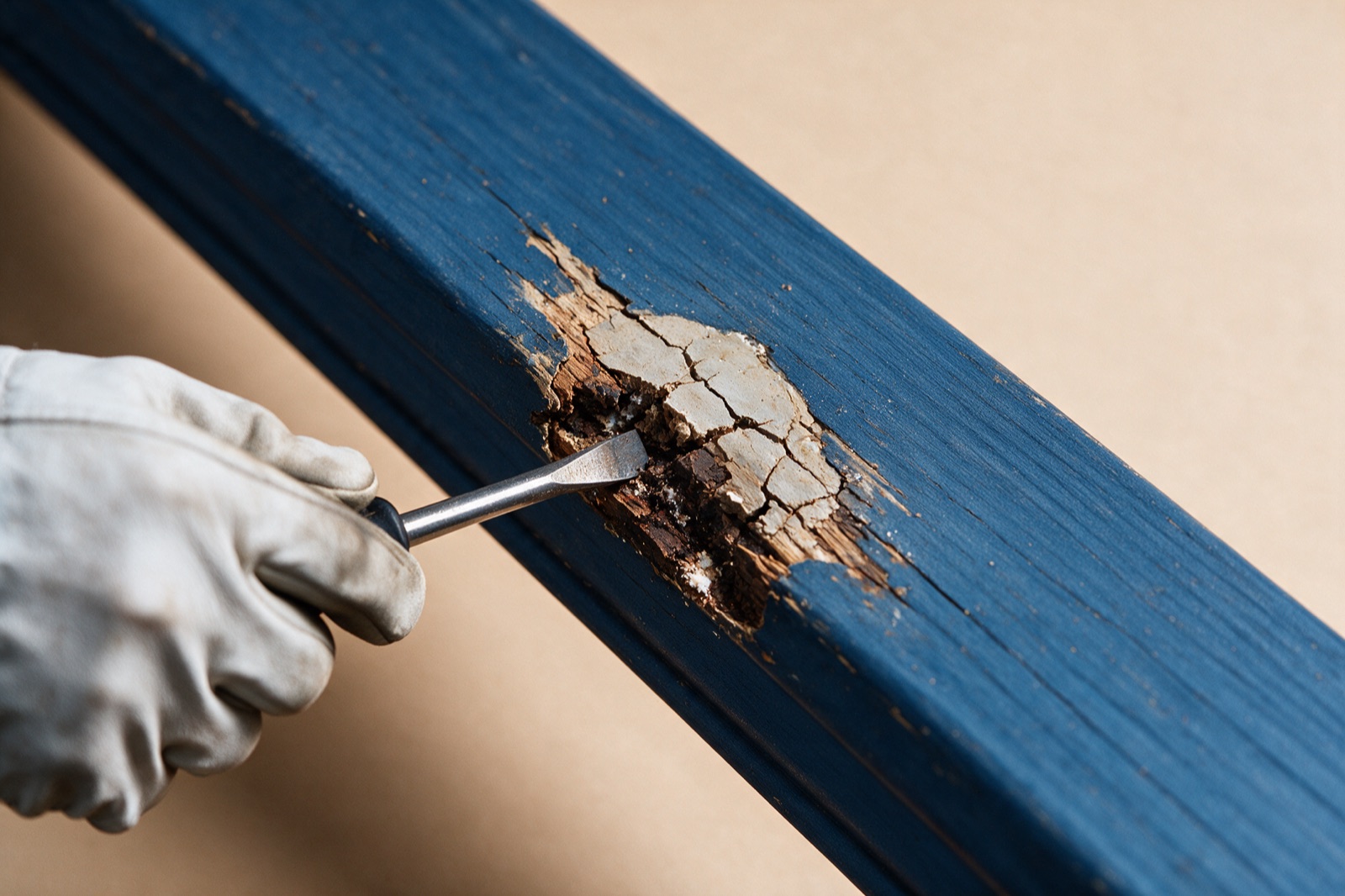
A tube of wood filler and an hour on a Saturday are a common first response to a soft spot on a windowsill or piece of trim. Understanding wood filler vs wood replacement for rot explains why that shortcut often looks fine for a season and then fails, and how to tell if a patch you’re looking at, your own or a previous owner’s, was ever going to hold.
What Basic Wood Filler Is Actually Designed For
Standard wood filler is built to fill small gaps and surface imperfections in wood that’s otherwise structurally sound, nail holes, minor dings, small cracks. It’s a cosmetic and light-restoration product, not a structural one. It’s designed to bond to solid material and stay put, not to compensate for wood that’s lost its internal integrity.
Why Filler Alone Fails Over Actual Rot
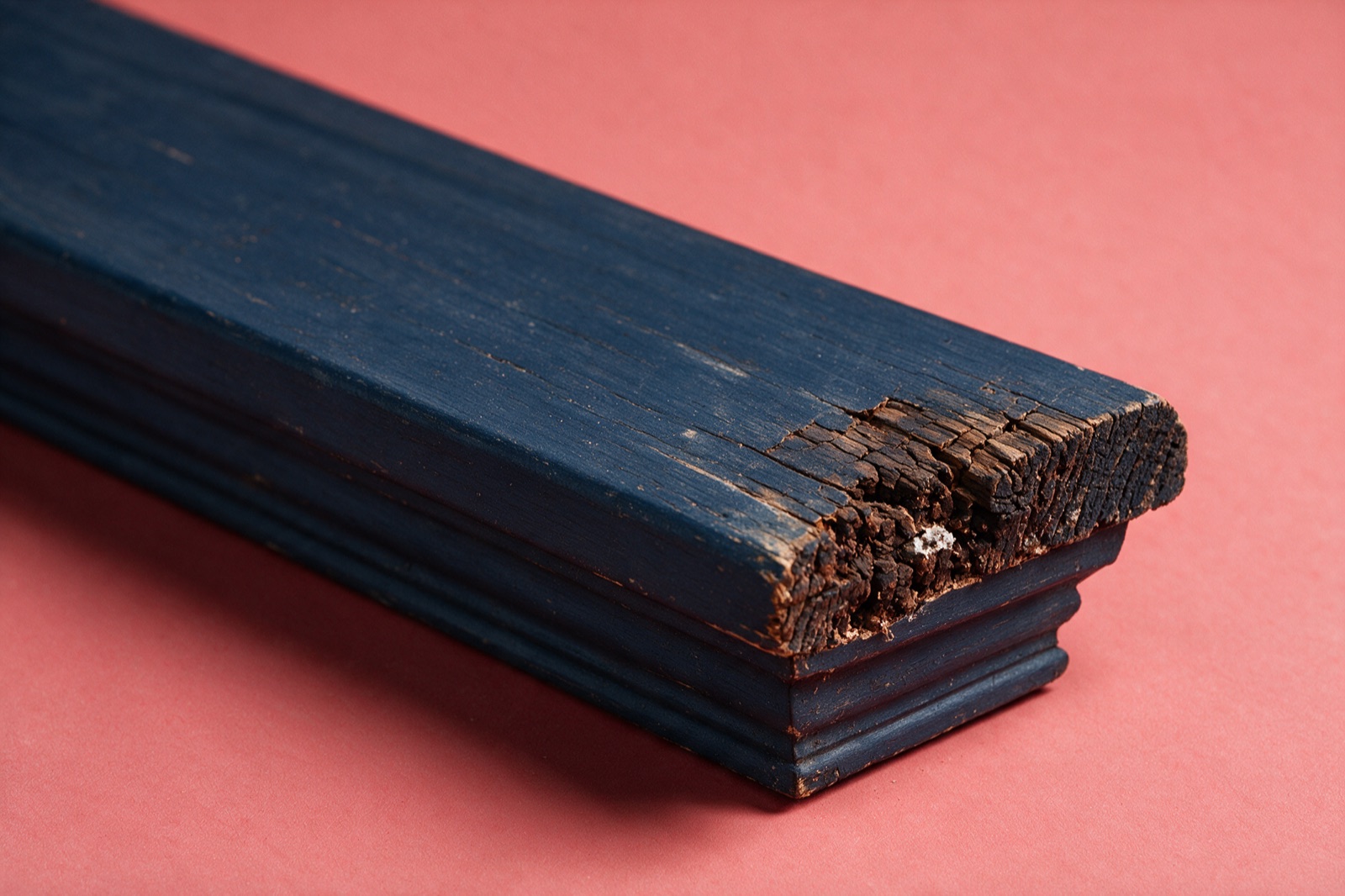
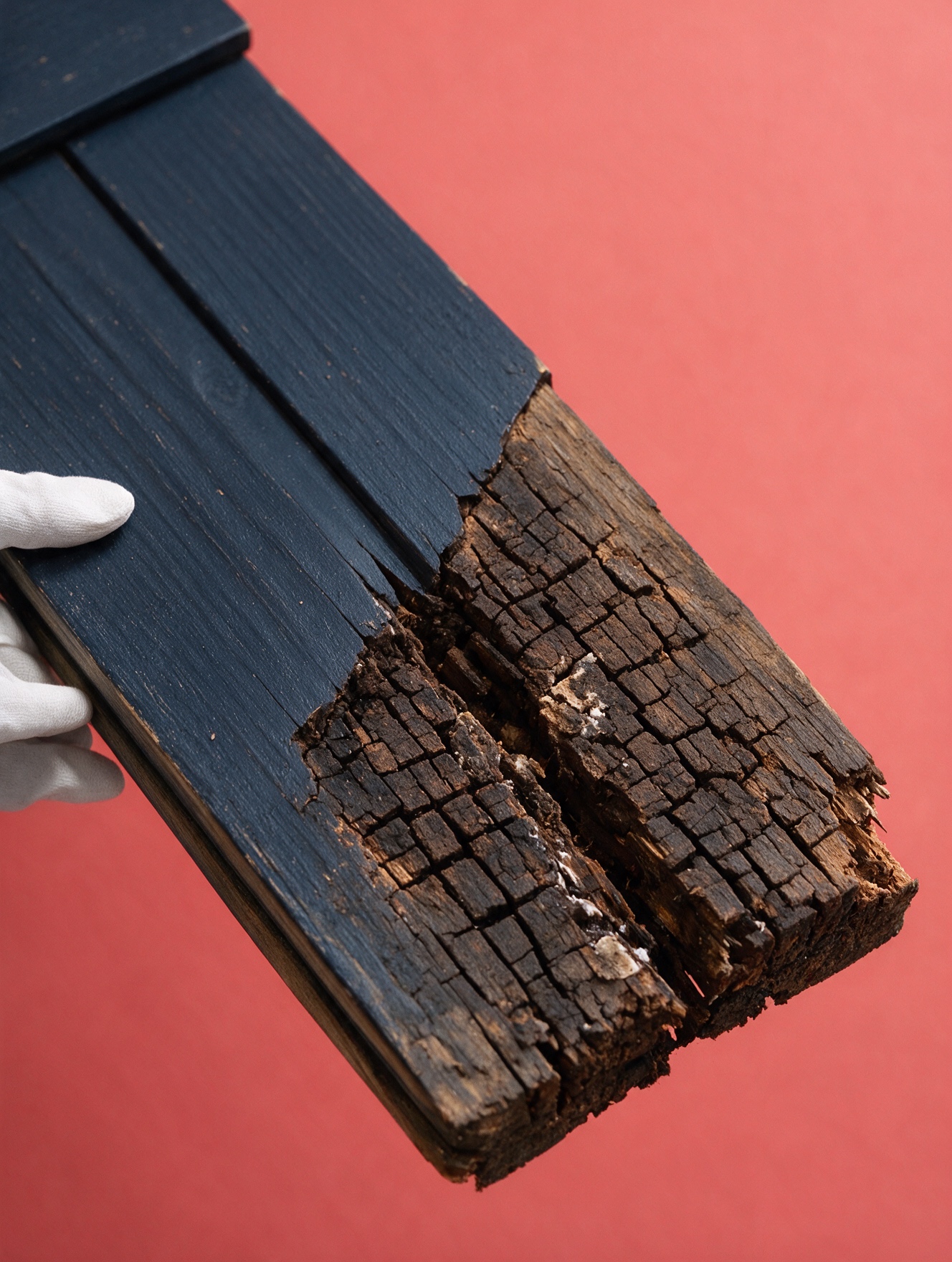
Rotted wood isn’t just missing material at the visible surface, the wood surrounding the obvious damage is frequently still porous and weakened at a cellular level, even where it looks intact. Filler applied directly onto that compromised wood bonds to a surface that can’t actually support it. It looks finished the day it’s applied, but the wood underneath continues to lack structural integrity, and the filler eventually cracks, shrinks away from the edges, or pops out entirely as the surrounding wood keeps degrading. For the full explanation of why this happens and what actually solves it, see our guide on epoxy wood consolidant, which is a fundamentally different product built specifically to penetrate and reinforce that weakened layer before any filler goes on.
When Filler Alone Is Genuinely the Right Call
Not every soft-looking spot is rot, and filler is entirely appropriate once you’ve confirmed that. The Poke Test settles it: press a screwdriver firmly into the wood. If it resists normally, what you’re looking at is a cosmetic imperfection in sound wood, exactly what filler was designed for. If it sinks in easily, that’s active decay, and filler alone isn’t the right tool. For more on distinguishing cosmetic damage from real decay, see our guide on fake rot vs. real rot.
Telltale Signs a Filler-Only Patch Was Used Over Rot
This is worth knowing whether you’re evaluating your own past repair or a home you’re considering buying:
A patch that’s cracked, sunken, or separated at the edges, especially if it’s happened more than once in the same spot
Discoloration reappearing around the perimeter of an old repair, a sign the surrounding wood is still actively decaying
A slightly different sound or give when pressed near the edge of a visible patch, compared to the patch’s center
Multiple layers of paint or caulk concentrated in one small area, sometimes a sign of repeated attempts to hide the same recurring problem
What Actually Needs to Happen Instead
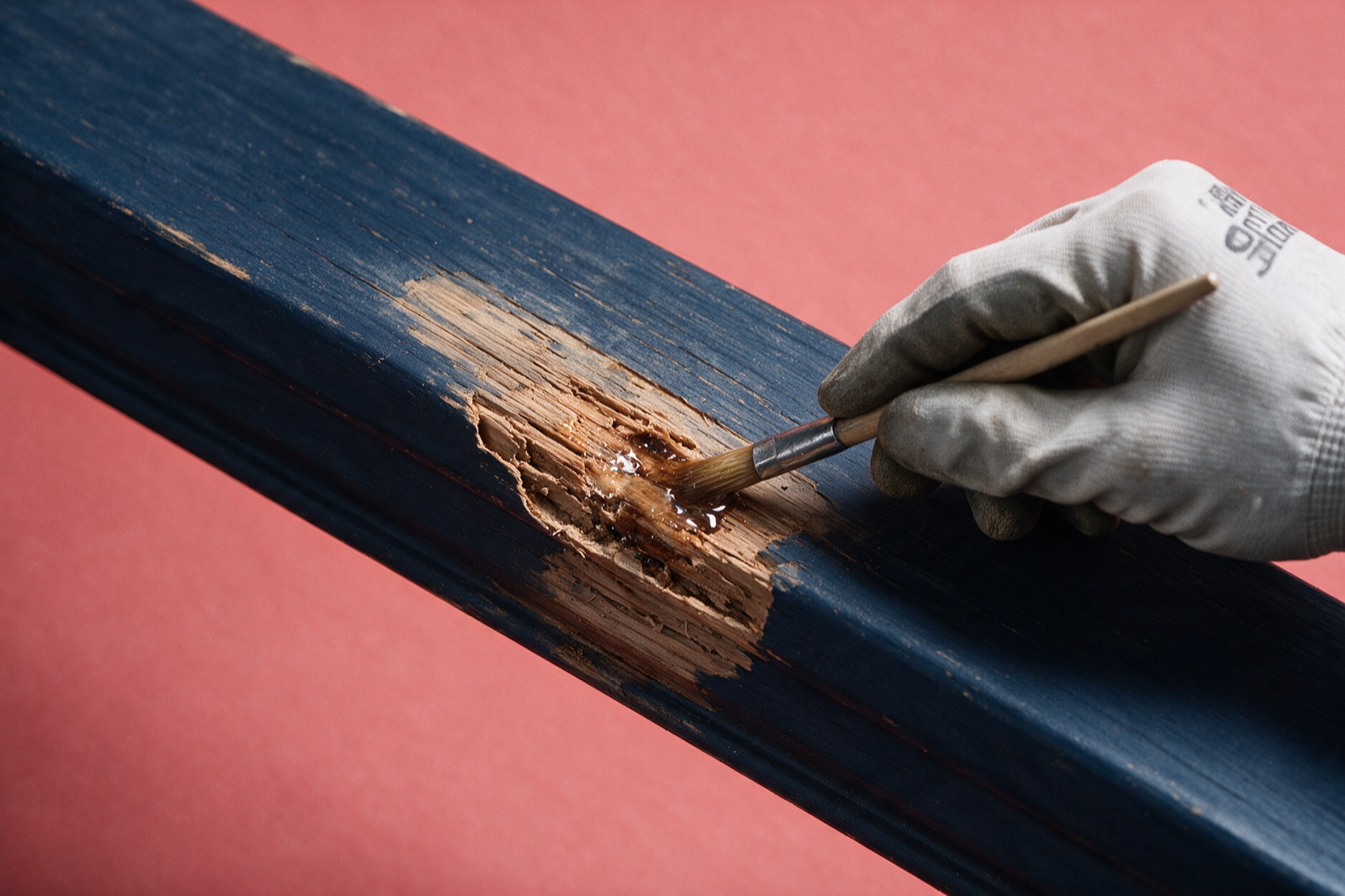
Where rot is present, the proper sequence is addressing the moisture source first, applying an epoxy consolidant to reinforce the weakened wood, and only then finishing with a matched filler that has something solid to actually bond to. Skipping the consolidant step is the single most common reason a filler repair looks complete and then fails.
Not sure if a spot you’re looking at is real decay or just cosmetic?
Where a patch genuinely isn’t enough, see How We Fix It for how we scope a full replacement instead.
Sources: Canadian Wood Council, durability and decay research; Canada Mortgage and Housing Corporation (CMHC), Guidelines for On-Site Measurement of Moisture in Wood Building Materials.