Why Vancouver's Wet Season Makes Rot a Different Problem Than Elsewhere in Canada
By STOP THE ROT CO.
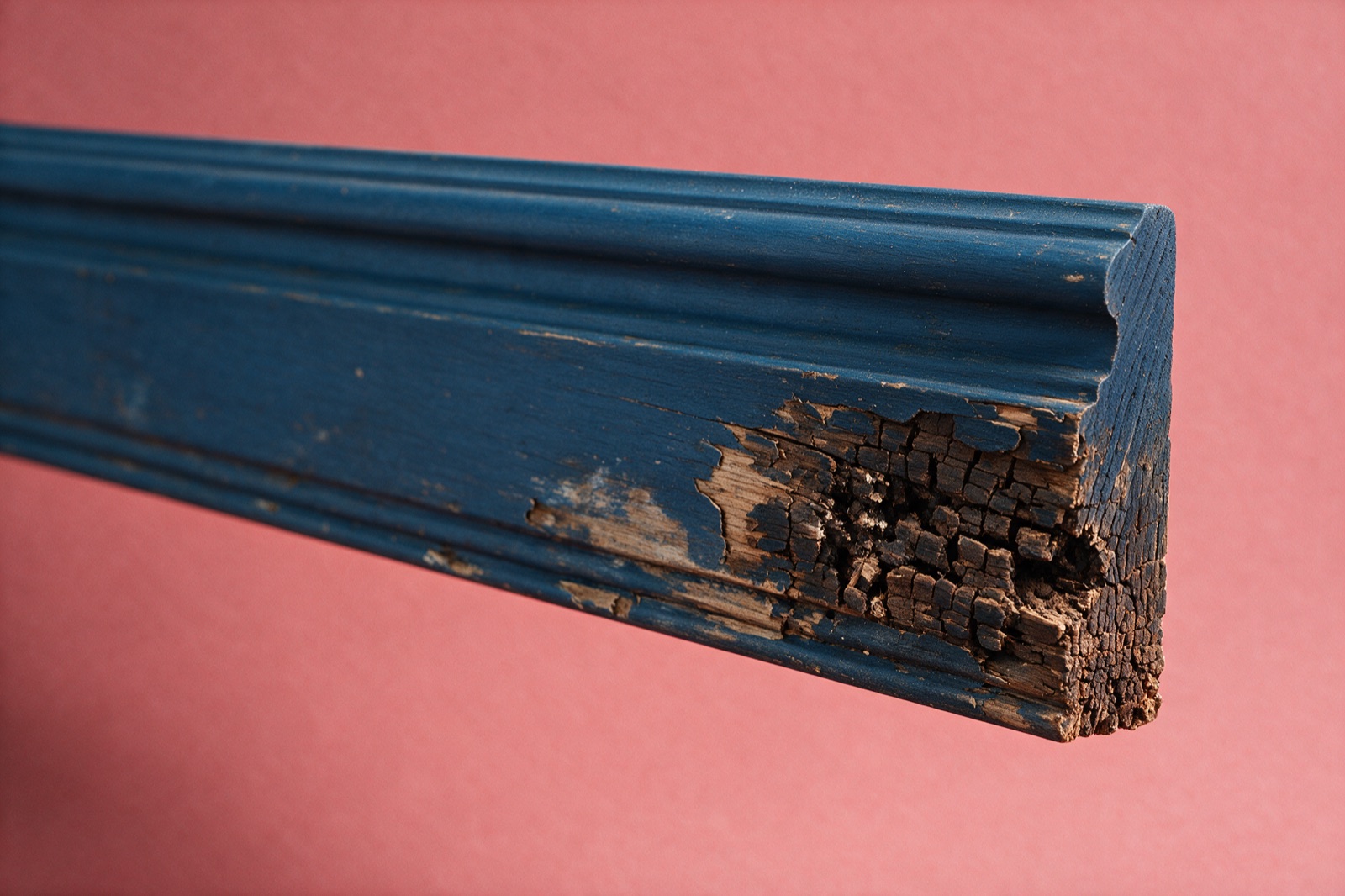
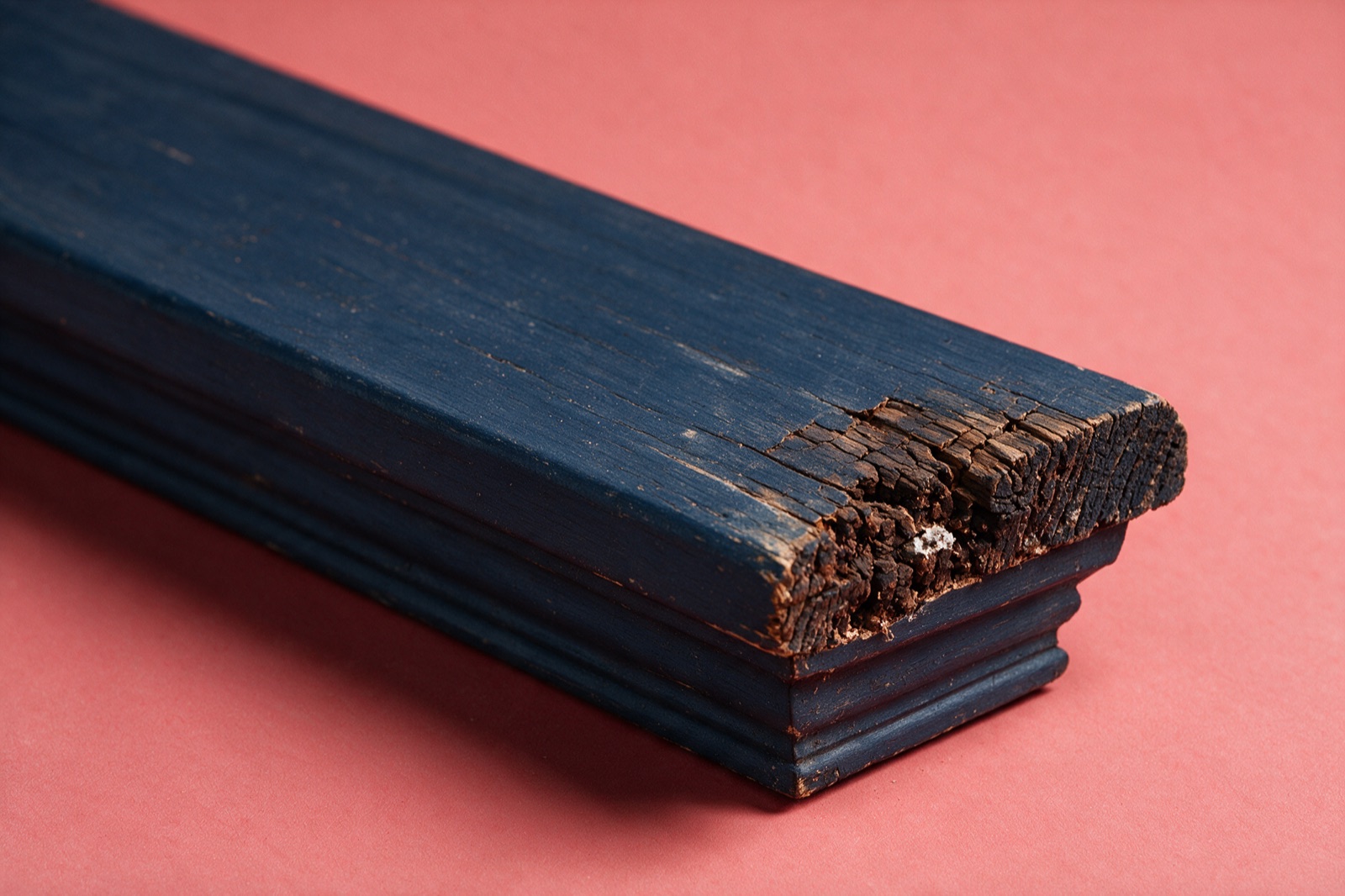
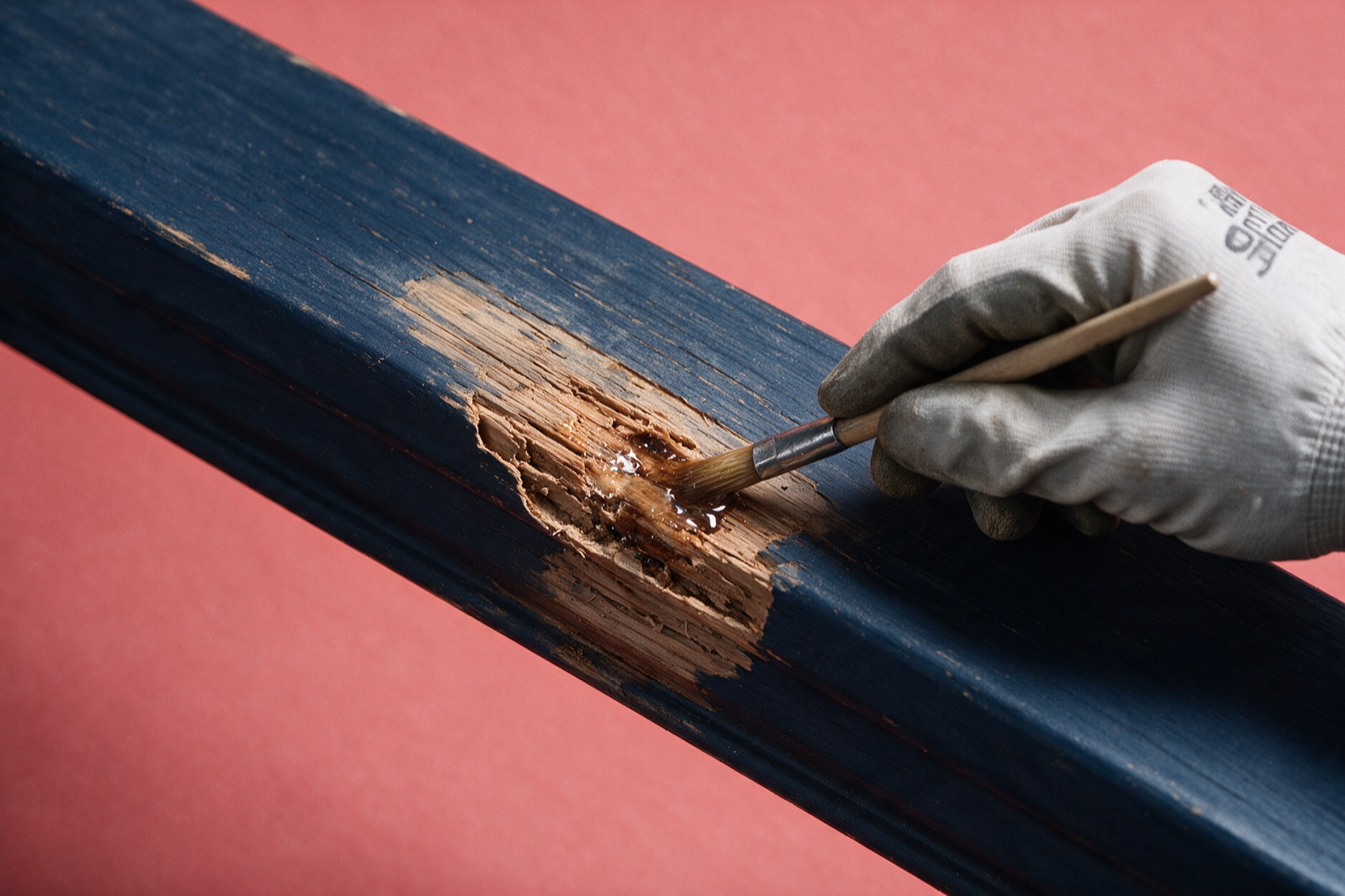
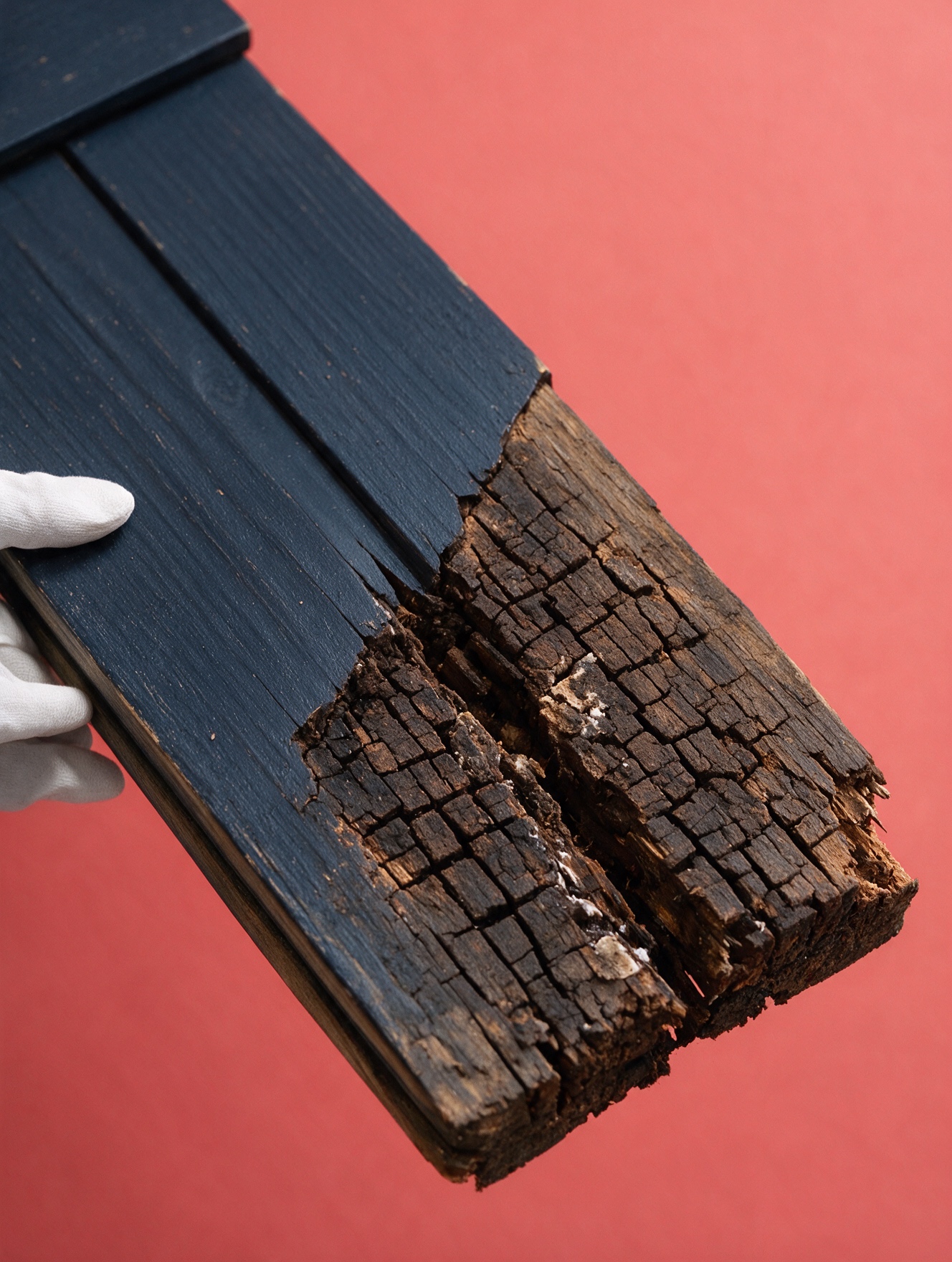
Wood rot exists across Canada, but it doesn’t behave the same way everywhere. Vancouver’s version of this problem is genuinely different from what a homeowner in Winnipeg, Toronto, or Halifax deals with, and the reason isn’t simply that it rains here, it’s that the province’s climate doesn’t give decay the same seasonal pause most of the country provides.
Most of Canada Gets a Natural Seasonal Reset
Fungal decay requires a survivable temperature range to remain active, and across most of the country, a genuine winter freeze interrupts that activity for months at a stretch. The Prairies, Ontario, Quebec, and much of the rest of Canada experience sustained periods well below freezing, conditions that effectively pause fungal growth regardless of how much moisture was present in the wood before winter arrived. Decay that was progressing in September has a natural, forced stop by January, and doesn’t resume in earnest until temperatures climb again in spring.
Vancouver’s Climate Doesn’t Interrupt Decay the Same Way
Vancouver’s oceanic climate rarely produces a true hard freeze. According to Environment and Climate Change Canada’s climate normals, the region’s wet season runs roughly October through April, and temperatures through that stretch generally stay mild rather than dropping into the range that would meaningfully slow fungal activity. Sustained moisture, without the seasonal freeze that interrupts decay elsewhere in the country, means Vancouver’s wood rot risk window runs close to six consecutive months without the natural reset most of Canada gets.
It’s Not Just About Total Rainfall
A common misconception is that this comes down to Vancouver simply getting more rain than everywhere else. Some other Canadian regions, parts of Atlantic Canada in particular, see significant precipitation too. The difference is that those regions generally pair their wet conditions with colder winters that do freeze, giving them a seasonal pause Vancouver doesn’t get. It’s the specific combination of sustained wet conditions and mild winter temperatures, together, that makes this region’s decay risk unusually persistent, not high rainfall on its own.
What This Means Practically
A homeowner in a hard-freeze climate can reasonably treat exterior wood maintenance as a spring-focused task, since winter itself does some of the work of pausing active decay. That assumption doesn’t hold here. This is exactly why we recommend checking critical points twice a year rather than once, covered in full in our complete inspection checklist, since there’s no winter freeze doing part of the job for you in the meantime.
Curious how this applies to your specific property?
This is exactly why a documented, real moisture reading matters more here than in a drier climate, see our free 20-point inspection for what that actually looks like.
Sources: Environment and Climate Change Canada, Canadian Climate Normals; Canada Mortgage and Housing Corporation (CMHC), Guidelines for On-Site Measurement of Moisture in Wood Building Materials.