What Is Wood Rot Fungus, and How Does It Actually Grow
By STOP THE ROT CO.
Understanding what wood rot fungus is and how it grows explains almost everything else about this topic, why it needs moisture, why it can seem to stop and then return, and why controlling one variable is the entire basis of prevention and repair.
What a Fungus Actually Is
Fungi are a distinct biological kingdom, neither plant nor bacteria. Unlike plants, fungi can’t produce their own food through photosynthesis, they consume organic material directly, and wood decay fungi have evolved specifically to break down the compounds that give wood its structure. They reproduce through microscopic spores, released into the air and essentially present everywhere in the outdoor environment, waiting for the right conditions to establish.
The Conditions Decay Fungi Actually Need
Four things have to be present together for wood rot to take hold. Remove any one of them and decay can’t proceed.
Moisture. According to CMHC’s guidelines for on-site wood moisture measurement, wood generally stays low-risk under roughly 19 to 20 percent moisture content, with active decay becoming likely once that threshold is exceeded and sustained.
A survivable temperature range. Fungal growth slows sharply in cold conditions and is most active in mild-to-warm temperatures, conditions Vancouver’s climate provides for a large part of the year given the region’s mild, wet winters.
Oxygen. Decay fungi are aerobic, they require oxygen to grow, which is part of why wood that’s fully submerged or completely sealed off from air exchange can sometimes resist decay longer than partially exposed wood in a similar moisture range. This is a detail that runs counter to intuition, more water isn’t always worse if oxygen is also excluded, though it’s not a practical prevention strategy for a home.
A food source: wood itself. Specifically, the cellulose, hemicellulose, and lignin that make up wood’s cell walls.
How Growth Actually Happens
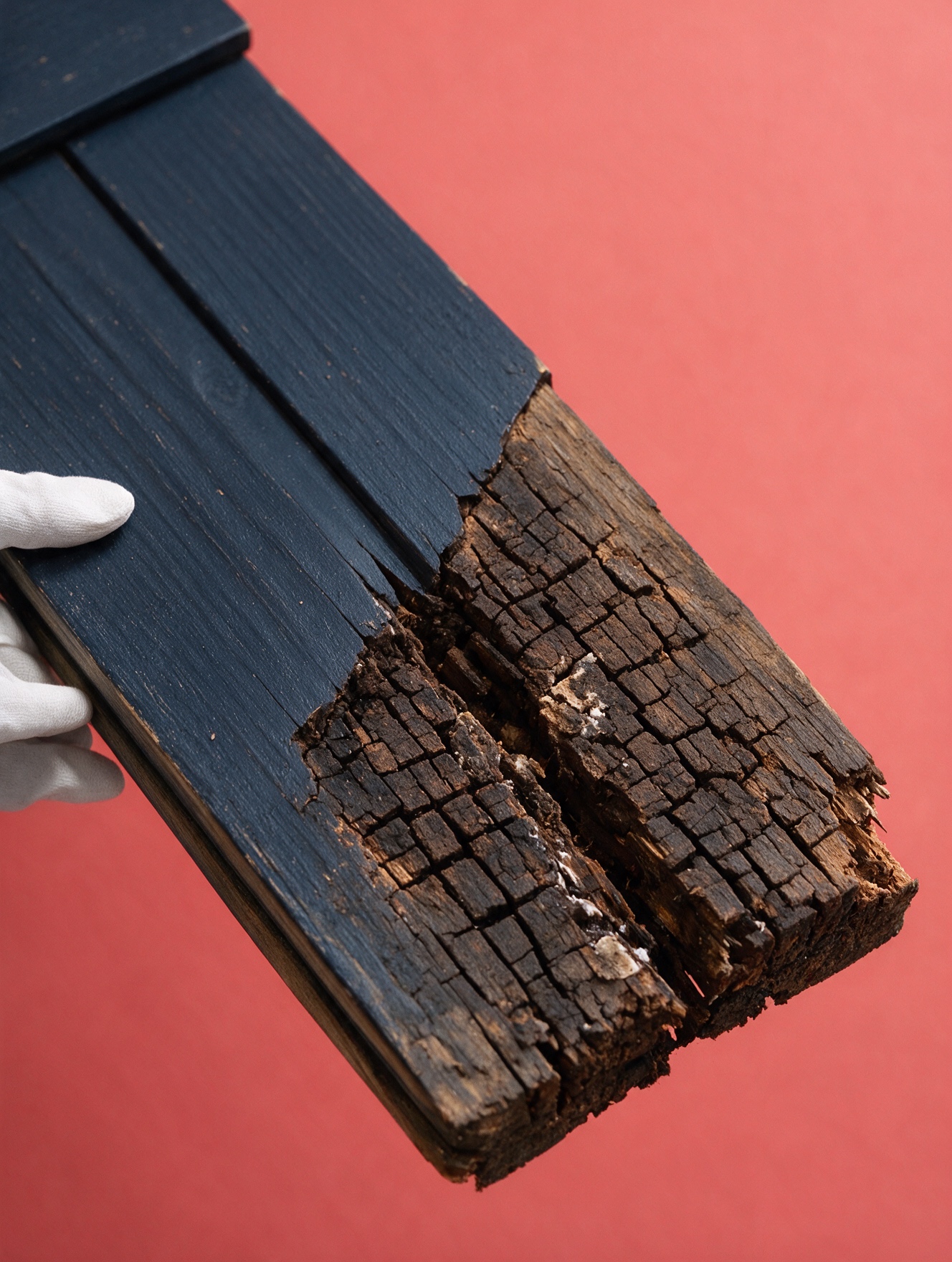
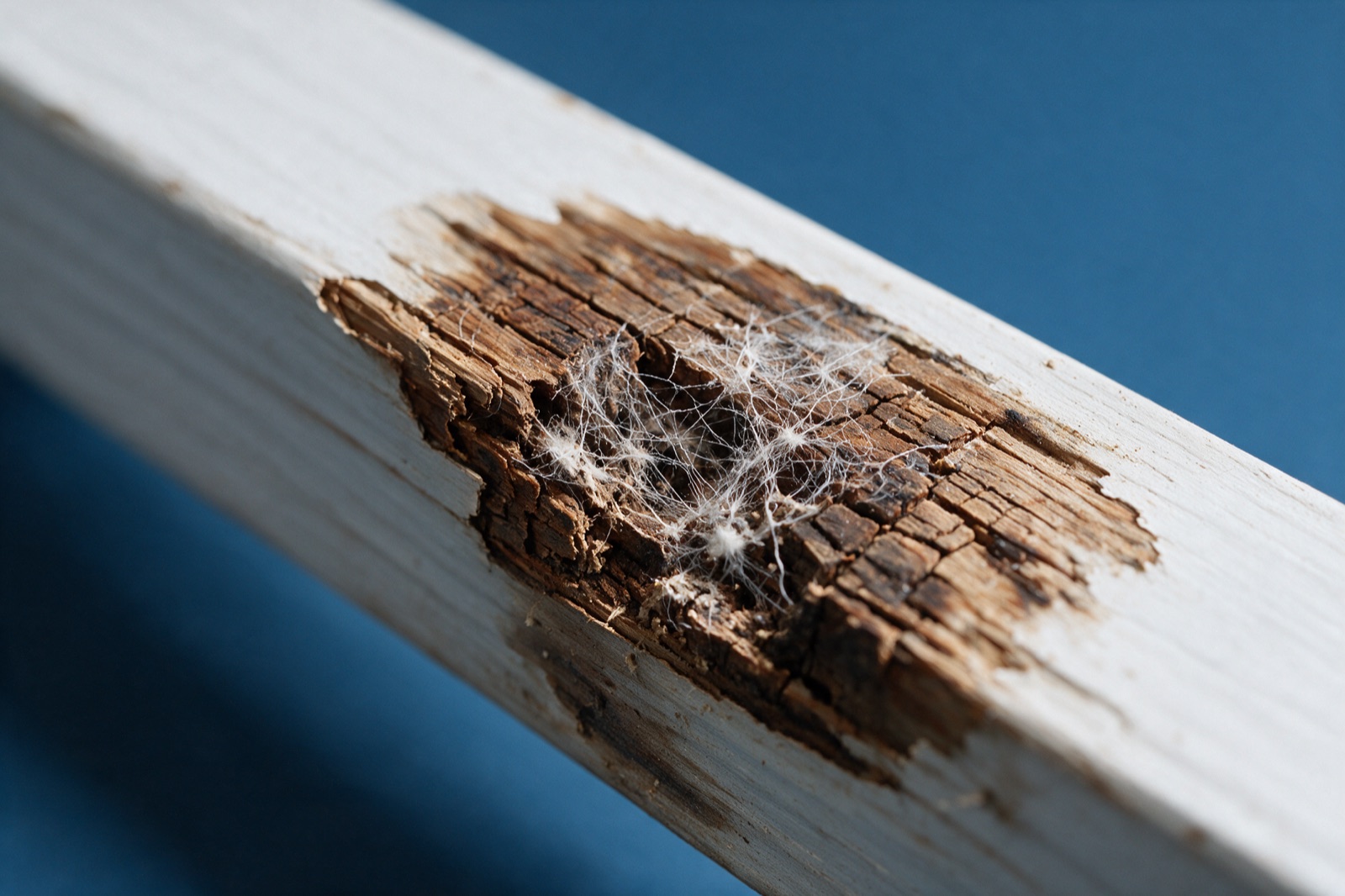
A spore that lands on wood under favorable conditions germinates and grows a thread-like structure called a hypha. As it grows, it branches and spreads, forming a network called mycelium, sometimes visible as fine white, gray, or black growth on the wood’s surface in more advanced cases. The fungus secretes enzymes that break down the wood’s structural compounds externally, then absorbs the resulting nutrients, a process that happens whether or not it’s visible from the outside, meaning decay can be well underway before any surface sign appears.
The Main Types of Decay
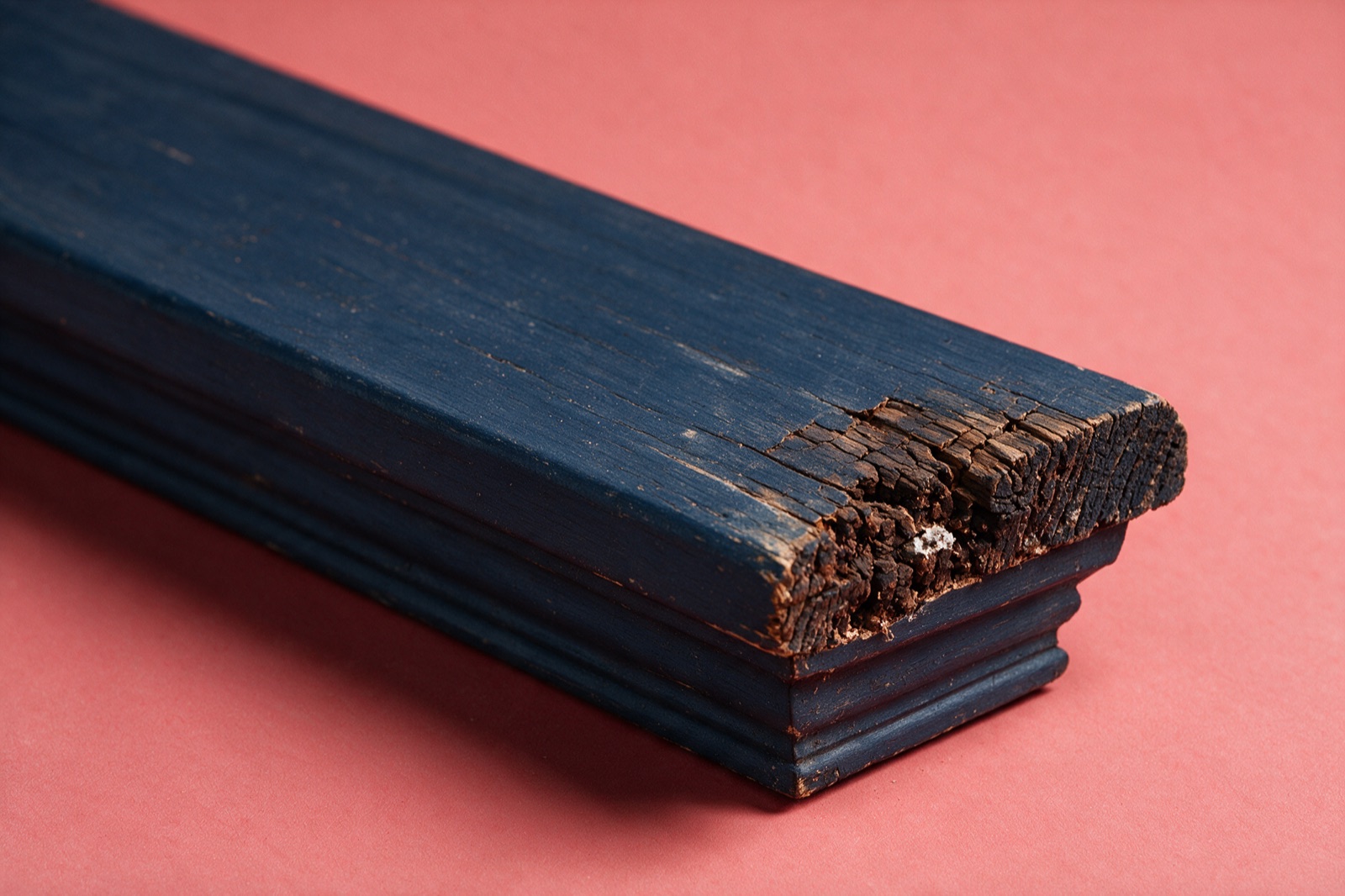
Brown rot is the most common type found in wood-frame homes. According to Canadian Wood Council durability research, brown rot fungi consume cellulose and hemicellulose while leaving much of the lignin behind, producing the characteristic dark, cube-cracked appearance covered in our guide on what is brown rot.
White rot breaks down lignin along with the structural carbohydrates, leaving wood pale, bleached, and stringy rather than dark and blocky. It’s less common in typical residential wood-frame construction than brown rot.
Soft rot tends to occur in very wet, often soil-contact conditions and is generally more surface-level, though it can still compromise wood over time in the right environment.
Why It Goes Dormant, and What Brings It Back
Wood that dries below the moisture threshold decay needs can appear stable, no longer actively spreading, while the fungus itself remains dormant inside the wood rather than dying off entirely. The moment sustained moisture returns to that wood, decay can reactivate. This is why previously “dried out” rot isn’t the same as resolved rot.
Why This Actually Matters Practically
Every prevention and repair strategy on this site comes back to the same biological reality: decay fungi cannot proceed without sustained moisture. That’s not a simplification, it’s the direct, practical consequence of how these organisms actually work. Controlling moisture isn’t one tactic among many, it’s the mechanism the entire problem depends on.
Want to know whether a specific area on your home is within a safe moisture range?
Understanding how the fungus spreads is step one, our Is It Wood Rot? guide covers how to spot it before it goes further.
Sources: Canadian Wood Council, durability and decay research; Canada Mortgage and Housing Corporation (CMHC), Guidelines for On-Site Measurement of Moisture in Wood Building Materials; USDA Forest Products Laboratory, general wood decay mechanisms (paired with Canadian sources above).