Ground-Contact vs. Above-Ground Treated Lumber: What's the Difference
By STOP THE ROT CO.
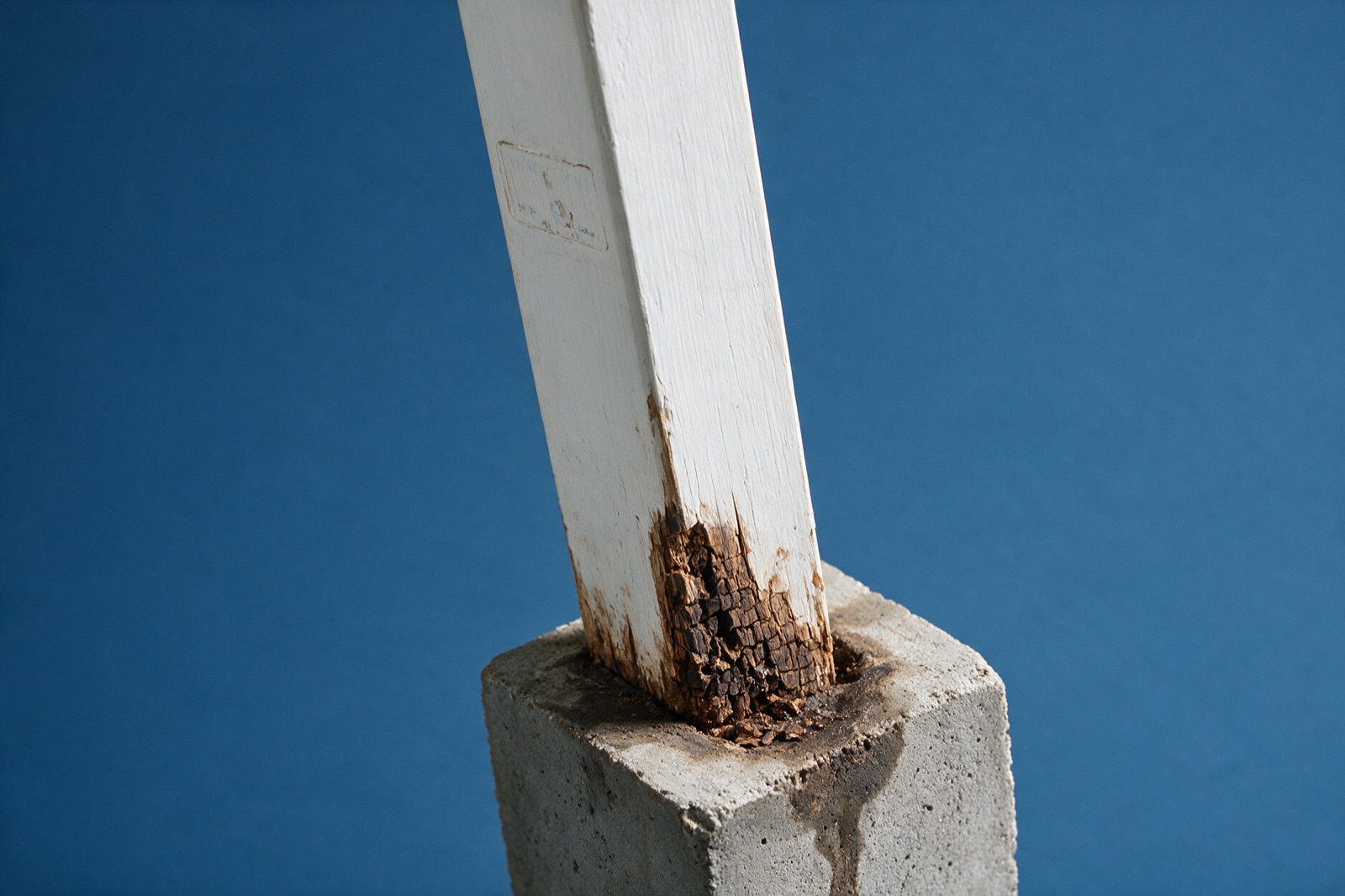
Ground-contact vs above-ground treated lumber sounds like a simple distinction, but it trips people up in a specific, predictable way: what actually counts as “ground contact” isn’t always what it sounds like, and using the wrong rating in the wrong spot is one of the more common reasons structural lumber fails earlier than it should.
What “Ground Contact” Actually Means
Under CSA O80.1, ground contact, Use Category 4 (UC4), covers wood in direct contact with soil or freshwater, but it also extends further than most people assume. Wood embedded in concrete that itself is in contact with soil, for example, a deck post set in a concrete footing, is generally treated as a ground-contact application, not an above-ground one, because concrete wicks and holds moisture against the wood, even if the wood is not directly touching soil. This is a genuinely common point of confusion: the concrete doesn’t protect the wood from ground-contact-level exposure, it can actually concentrate it.
Why Retention Levels Actually Differ
Use Category 3 (UC3), above-ground exterior exposure, and UC4 aren’t just labels, they require different depths of preservative penetration and different retention levels in the wood itself. UC4-rated lumber is treated to withstand sustained, direct soil or water contact, a meaningfully harsher exposure than UC3 covers. Using UC3-rated lumber in a UC4 application isn’t a minor technicality, it’s genuinely under-protected wood placed in a use it wasn’t rated to survive.
The Common Mistake
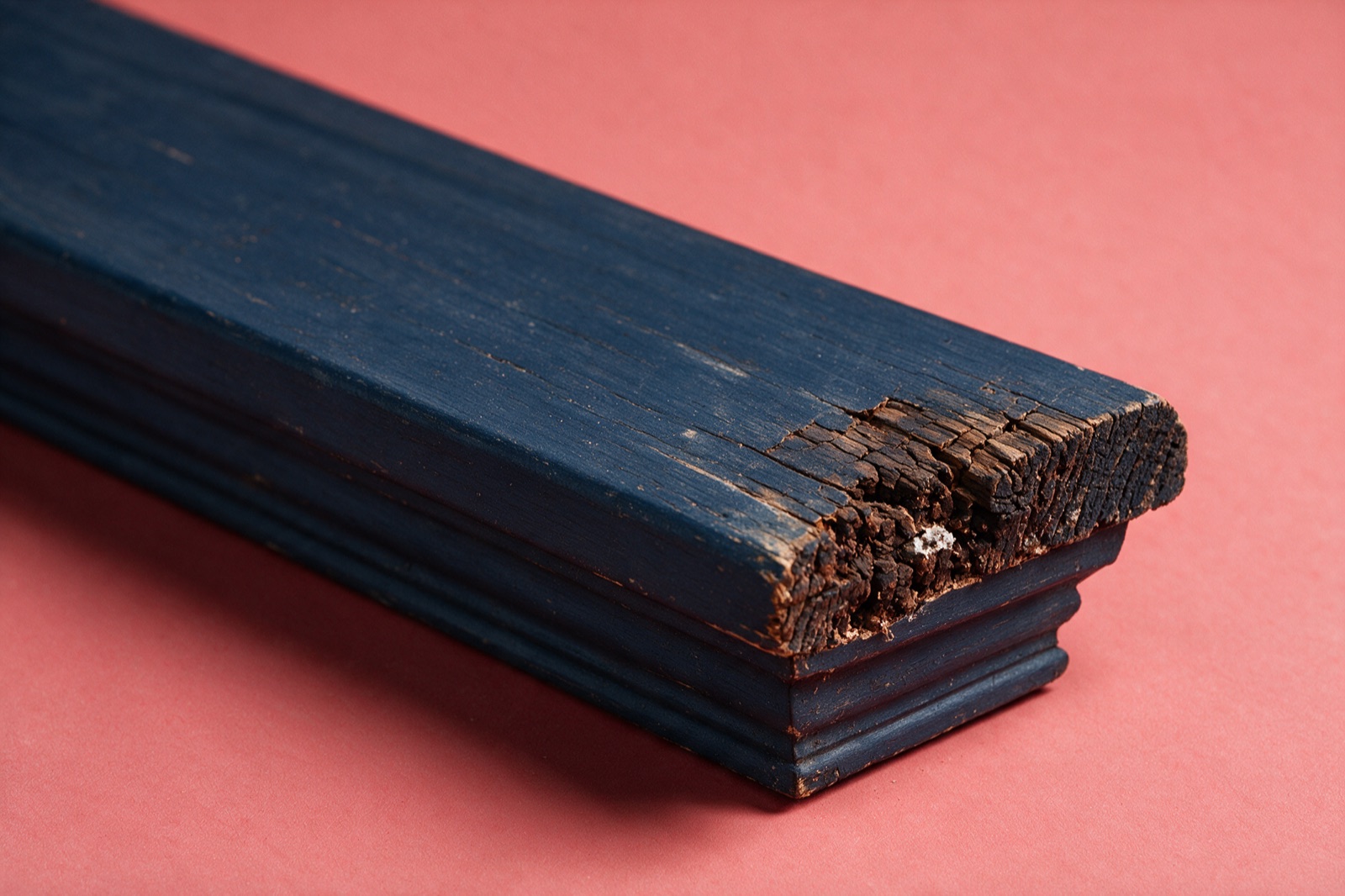
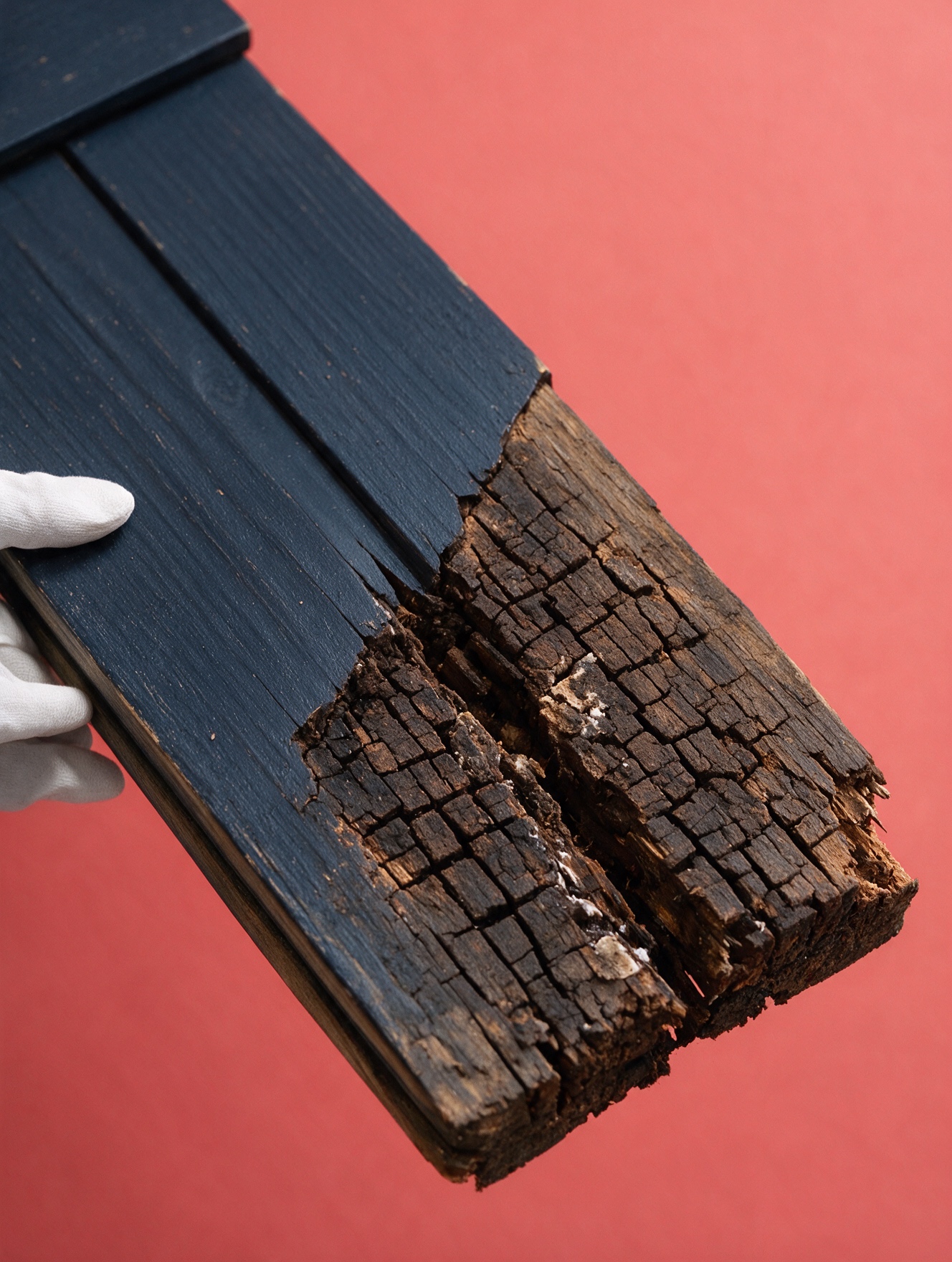
Deck posts are the clearest example. A post set into a concrete footing in the ground needs UC4-rated lumber, not UC3. Using an above-ground-rated post in that application is a predictable path to premature failure, often well before the wood would have failed if it had been correctly specified. This is a mistake that isn’t always visible until the post is already compromised, since the treatment rating isn’t something you can judge by looking at the wood itself.
Critical Connections Get Treated Differently Too
CSA O80’s ground-contact category also extends to certain above-ground applications described as critical situations favourable to deterioration, not just literal soil contact. Some hard-to-inspect, high-consequence connections, like a deck ledger board, sit in this category of concern even though they’re technically above grade, precisely because a failure there is both difficult to catch early and structurally serious. This lines up with something we treat as a priority on every inspection: the ledger board is one of the single most important readings on an entire property, not because it’s the most exposed to weather, but because of what’s at stake if it fails.
How to Tell What Rating a Piece of Lumber Actually Has
Properly treated lumber carries an end tag or stamp identifying its Use Category and the treatment facility, required under CSA O80’s third-party inspection process. If that tag isn’t present or legible, the rating isn’t verifiable by inspection alone, worth keeping in mind when assessing existing structural wood on a property rather than assuming a rating based on appearance.
Where Each Rating Applies on a Typical Deck or Structure
~ UC4: posts set in ground contact or in concrete footings in the ground, any lumber directly touching soil
~ UC3: above-ground framing, joists, and rim members not in direct ground or concrete contact
~ Critical connections: ledger boards and similarly consequential, hard-to-inspect connections, sometimes specified to a higher standard than typical above-ground framing given what’s at stake
Wondering whether the structural lumber on your property was rated correctly for how it’s actually being used?
Ground-contact-rated material matters most on structures like decks, see Deck Wood Rot Repair for how we handle that distinction on a real repair.
Sources: Canadian Wood Council, CSA O80 Wood Preservation; National Building Code of Canada.