Door Frame Wood Rot: Repair or Replace
By STOP THE ROT CO.
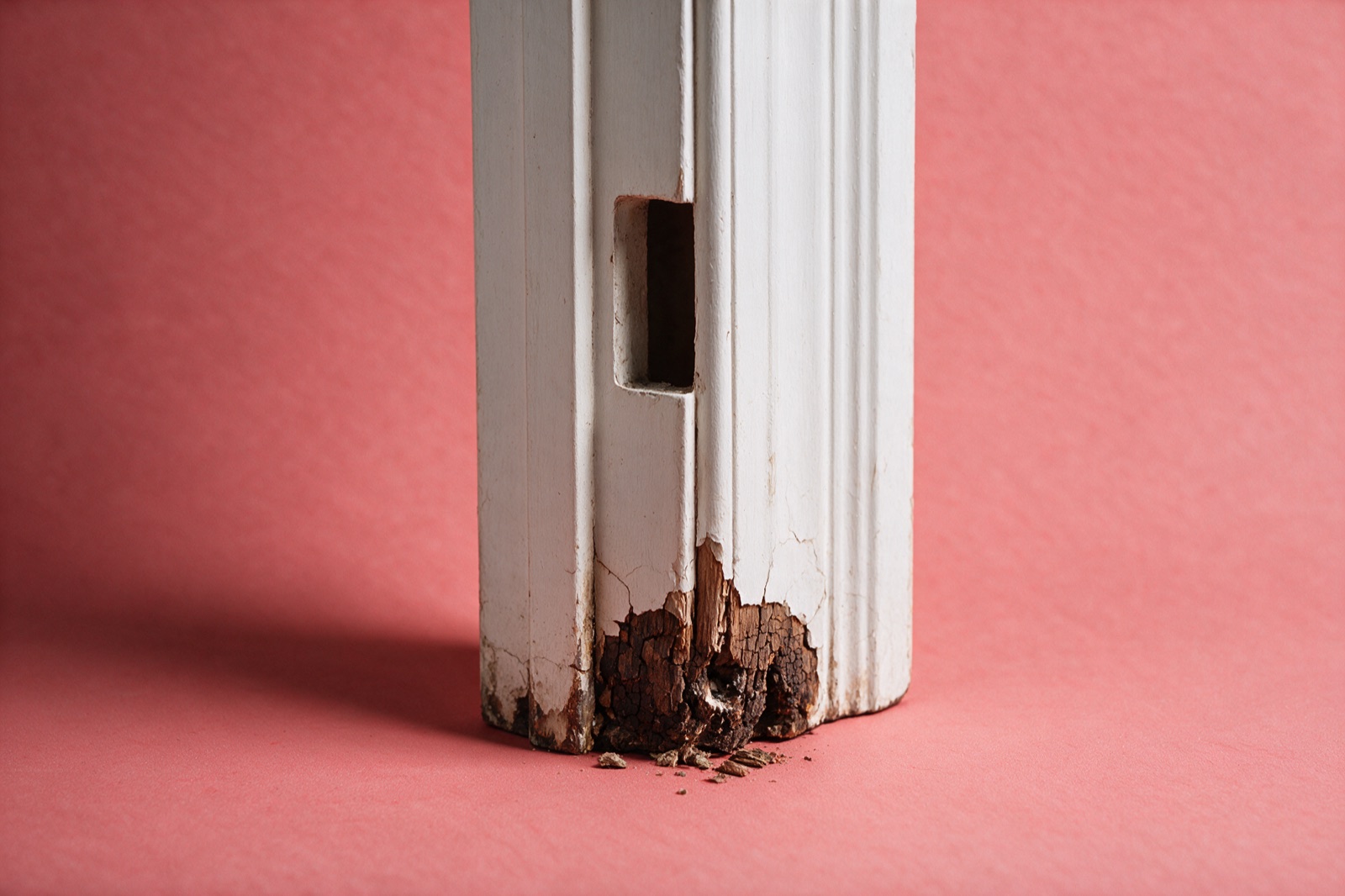
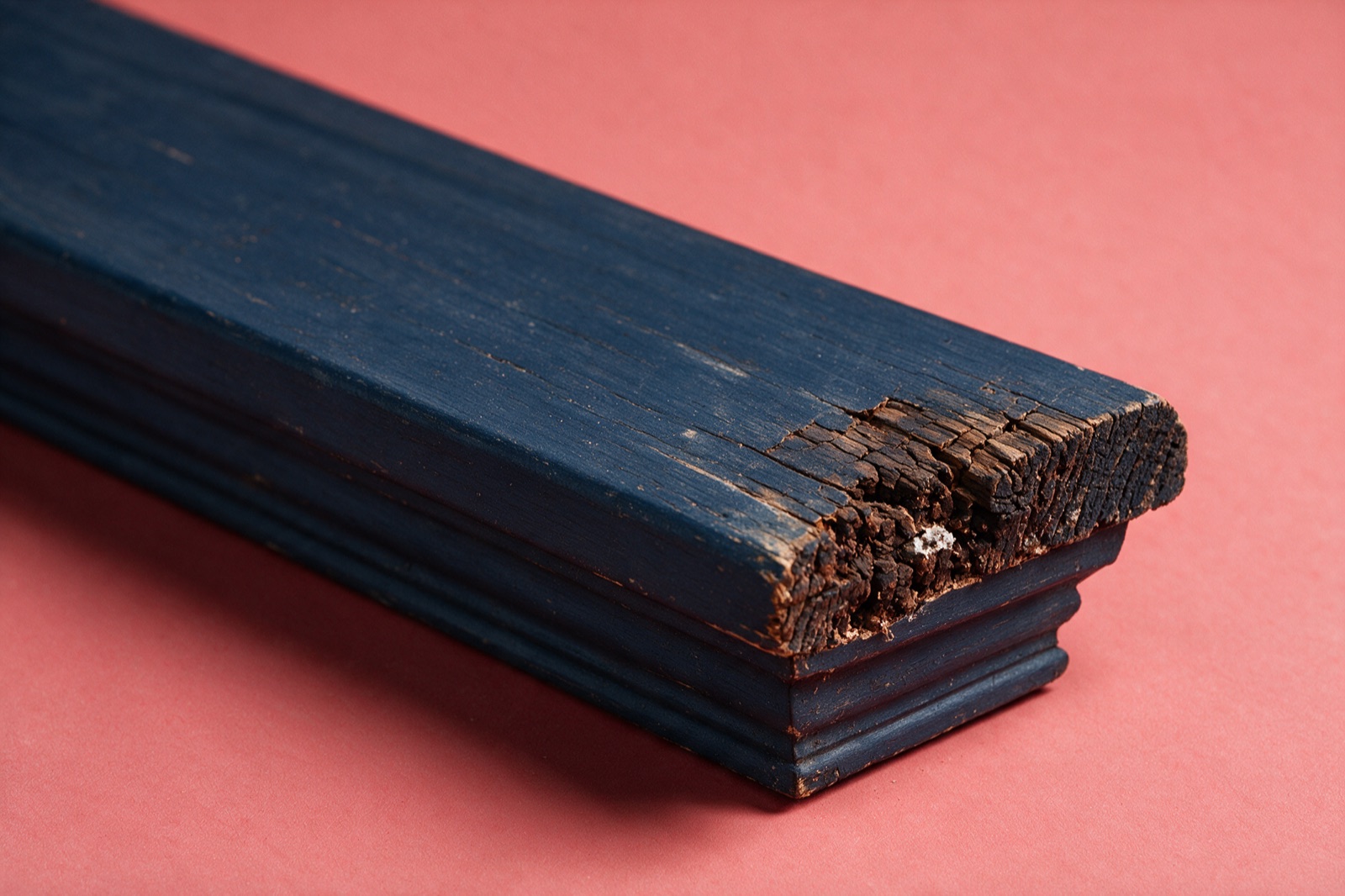
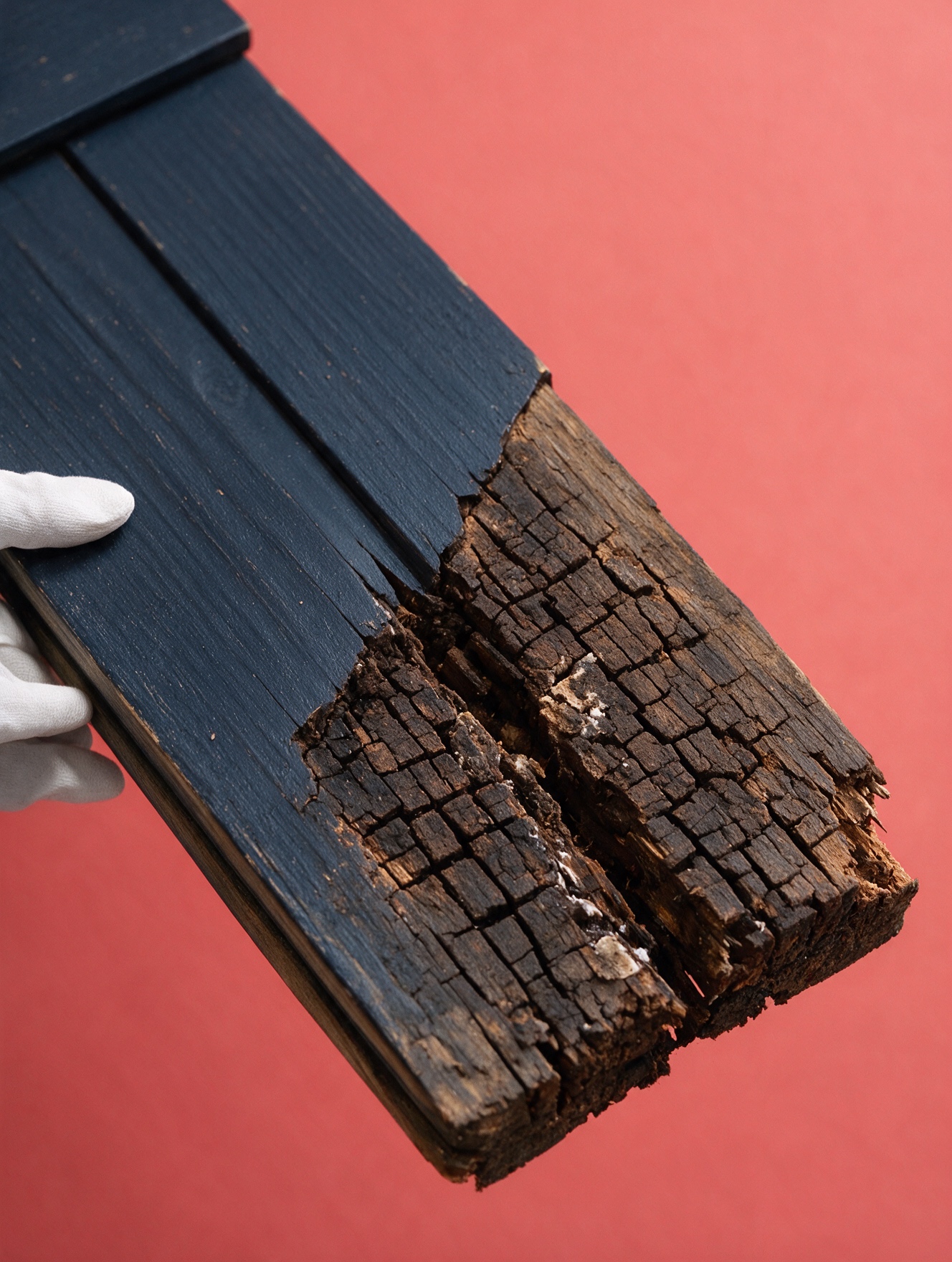
A door frame problem often shows up as a function issue before it shows up as a visible one, a door that’s suddenly harder to latch, that drags against the floor, or that no longer closes flush. By the time it’s visibly obvious, door frame wood rot repair Vancouver is usually already a bigger job than it would have been a season earlier.
Why Door Frames Fail
Exterior door frames combine two things that don’t usually overlap on the same component: sustained weather exposure at the base, and constant operational stress from actual use. The bottom sections of jambs sit closest to the threshold, a horizontal, ground-level water-collection point every time it rains, and like most exterior trim, are frequently unsealed or thinly sealed pine that wicks moisture upward. Add in the mechanical stress of a door opening and closing daily, and a frame that’s even slightly compromised by moisture tends to show it functionally, not just visually.
Repair or Replace, Specifically for a Door Frame
The same core principle applies here as anywhere else: the extent of decay, confirmed with an actual moisture-meter reading, determines the call, not a guess. According to CMHC’s guidelines for on-site wood moisture measurement, wood generally stays low-risk under roughly 19 to 20 percent moisture content, with active decay likely past roughly 28 to 30 percent.
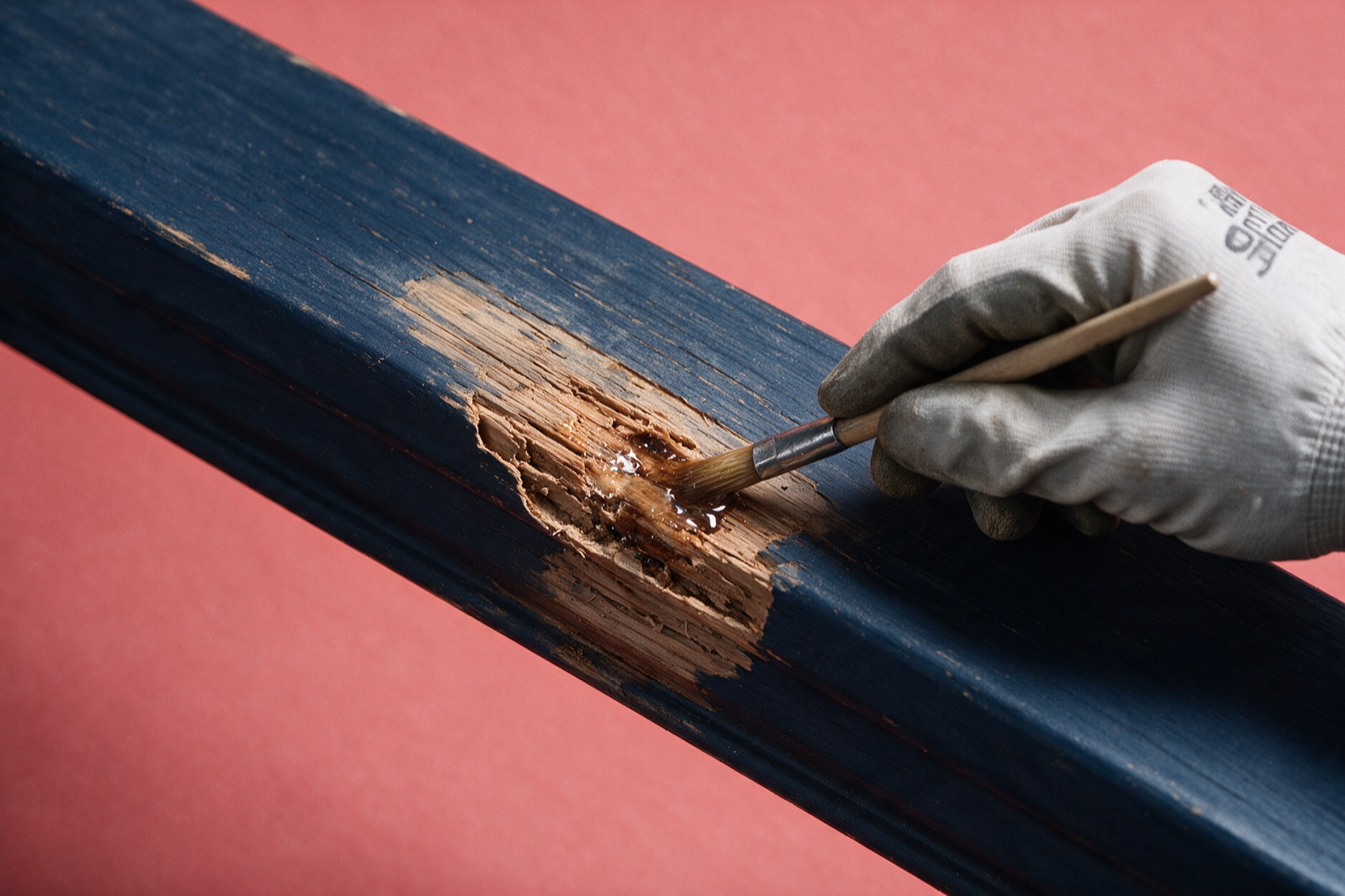
Repair is generally viable when decay is confined to a base section, with sound wood remaining through the frame’s core and no impact on how the door actually operates.
Replacement becomes the right call when decay has affected the frame’s structural integrity enough to change how the door closes, latches, or sits in the opening, since at that point the issue isn’t purely cosmetic, it’s functional. A frame that’s shifted or warped from rot rarely returns to proper operation with a partial repair alone.
For the broader framework this decision follows, see our guide on repair vs. replace wood rot.
What “Done Right” Actually Requires
Beyond the general standards that apply to any exterior wood repair (proper flashing, correct sealing, full end-grain coverage), a door frame has one requirement that’s specific to it: solid material at every hardware attachment point. Hinges and strike plates need to anchor into genuinely sound wood to hold securely over time.
This is a real consideration when choosing repair materials, since a purely moisture-resistant material isn’t automatically the right choice at a screw-holding point if it doesn’t offer comparable holding strength to solid wood or an appropriate composite blocking material. Getting the water-resistance right without getting the hardware-anchoring right is a repair that looks and seals fine but doesn’t actually hold a hinge properly over time.
Materials Worth Choosing Deliberately
The same wicking pattern that affects windowsills and brickmold applies to door jambs and frames, unsealed pine at the base is a predictable, repeat failure point. PVC and cellular PVC trim resist that pattern well in non-hardware-bearing sections. At hinge and strike locations specifically, solid wood or appropriately rated composite blocking is generally the better choice, prioritizing anchoring strength alongside moisture resistance rather than moisture resistance alone.
A Note on DIY
A door frame repair carries more operational and security stakes than most trim repairs, an improperly repaired frame can affect how well a door seals, latches, and locks. Small, base-level, non-hardware-adjacent repairs are within reach for a confident DIYer under the same conditions covered in our guide on DIY vs. professional wood rot repair, but anything affecting hinge or strike plate areas is worth professional attention given what’s actually at stake if it’s done wrong.
Not sure whether your door frame needs a repair or a full replacement?
For the full repair process on this specific component, see our dedicated Door Frame Wood Rot Repair page.
Sources: Canada Mortgage and Housing Corporation (CMHC), Guidelines for On-Site Measurement of Moisture in Wood Building Materials; Canadian Wood Council, durability and decay research.