Best Wood Species for Rot Resistance
By STOP THE ROT CO.
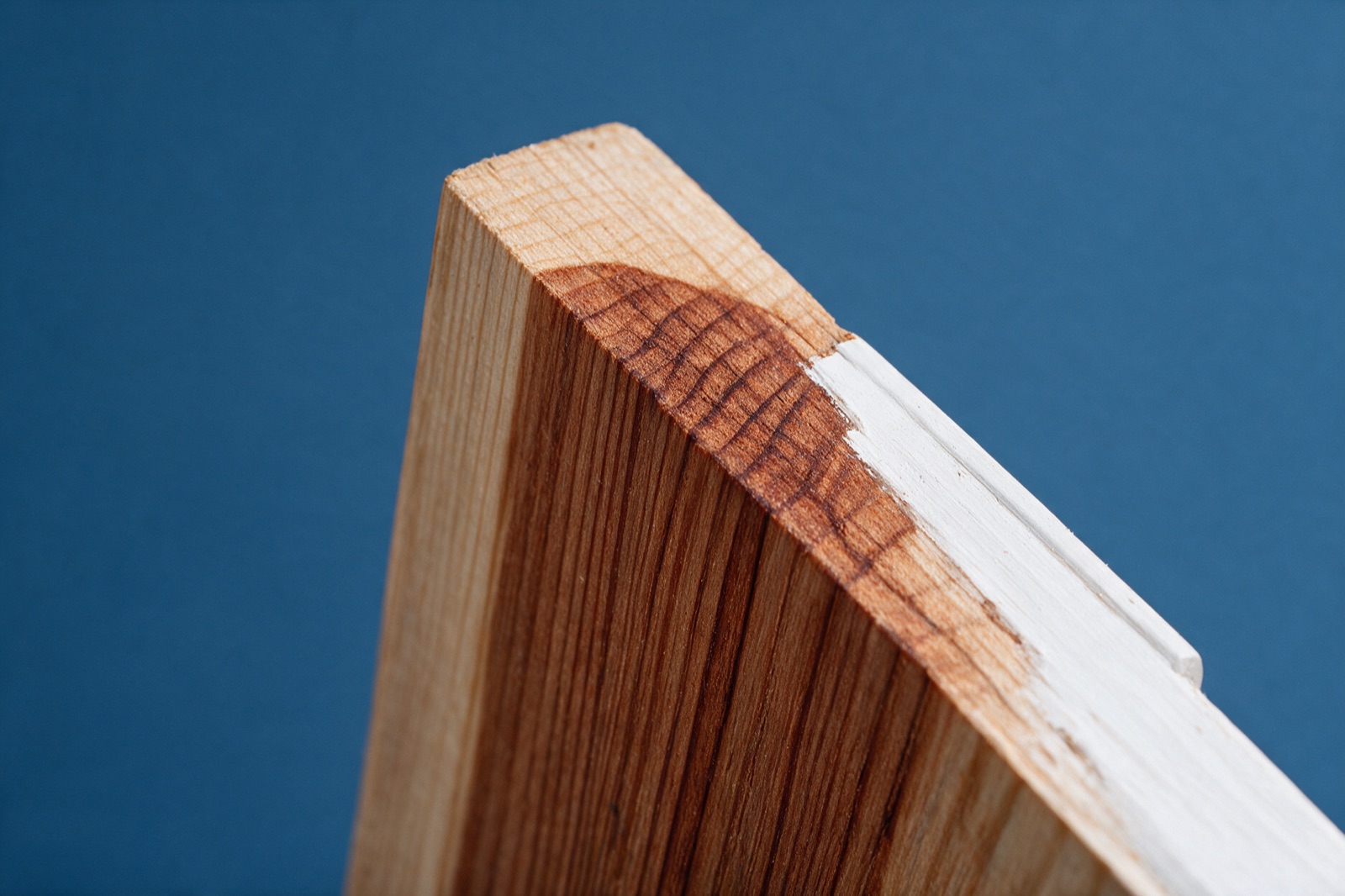
Some species genuinely resist decay better than others, but best wood species for rot resistance comes with an important nuance most general guides skip entirely: natural resistance lives mainly in one part of the tree, not the whole board.
Heartwood vs. Sapwood: The Distinction That Actually Matters
A tree’s heartwood, the older, denser wood at its core, contains natural extractives that give durable species their rot resistance. Sapwood, the newer, outer wood, generally lacks those same protective compounds, even in a species known for durability. This means a board cut from sapwood of a naturally “rot-resistant” species doesn’t carry the same resistance a heartwood board would. Appearance can hint at the difference, heartwood is often noticeably darker and more uniform in color, but it’s a real distinction worth knowing rather than assuming any board of a durable species performs the same.
Western Red Cedar: British Columbia’s Own Answer
Western red cedar grows natively along the BC coast, and according to BC’s naturally:wood forestry resource, British Columbia is the only Canadian province where it grows at all. It’s been BC’s official provincial tree since 1988.
Its rot resistance comes from thujaplicin, a natural fungicide compound concentrated in the heartwood, which is part of why the species has such a long, documented history in this region specifically. Long before commercial construction, Coast Salish and other Pacific Northwest Indigenous peoples relied on western red cedar’s natural durability for canoes, longhouse construction, and house posts, uses that depended directly on the wood’s ability to resist rot and insect damage in this region’s wet climate.
That same property is exactly what makes it a genuinely strong modern choice for siding, decking, and exterior trim here today, not a coincidence of marketing, a direct continuation of why this material has been valued in this specific place for a very long time.
Other Naturally Durable Species
Redwood carries similar natural rot resistance to cedar, though it isn’t native to BC and is typically imported. Teak and ipe, dense tropical hardwoods, offer excellent natural durability for high-exposure applications like decking, at a higher cost and typically only available as imported material.
Why “Resistant” Doesn’t Mean “Immune”
Natural durability buys margin, it doesn’t remove the underlying rule. According to CMHC’s guidelines for on-site wood moisture measurement, the same roughly 19 to 20 percent moisture threshold applies regardless of species. A naturally resistant species simply takes longer, and requires more sustained exposure, before that threshold becomes a genuine problem. Sealing, maintenance, and proper detailing still matter, even with the most durable species available.
Where Treated Lumber and PVC Fit In
Natural species resistance isn’t always the right tool for every application. Ground-contact structural members generally call for properly rated treated lumber regardless of species, since even durable heartwood typically isn’t rated for that level of sustained exposure. High-risk trim locations, sill nosing, brickmold bases, are often better served by PVC, which doesn’t absorb moisture at all. For the fuller comparisons, see our guides on treated lumber vs. untreated wood and pine vs. PVC trim.
Choosing the Right Material for the Application
Species selection isn’t a single universal answer, it depends on exposure severity, whether the application is structural or cosmetic, and whether ground contact is involved. Western red cedar heartwood is a strong, genuinely local choice for siding and trim. Ground-contact structural members need properly rated treated lumber. High-wicking trim spots often do best in PVC. The right material follows the application, not a single default choice.
Wondering what material makes sense for your specific repair or replacement?
Species choice is one factor among several, see Wood Rot Repair for the full picture of what a durable repair actually requires.
Sources: naturally:wood (BC forestry sector resource), Western Red Cedar species information; Canada Mortgage and Housing Corporation (CMHC), Guidelines for On-Site Measurement of Moisture in Wood Building Materials.