Wood Rot vs. Mold: How to Tell Them Apart
By STOP THE ROT CO.
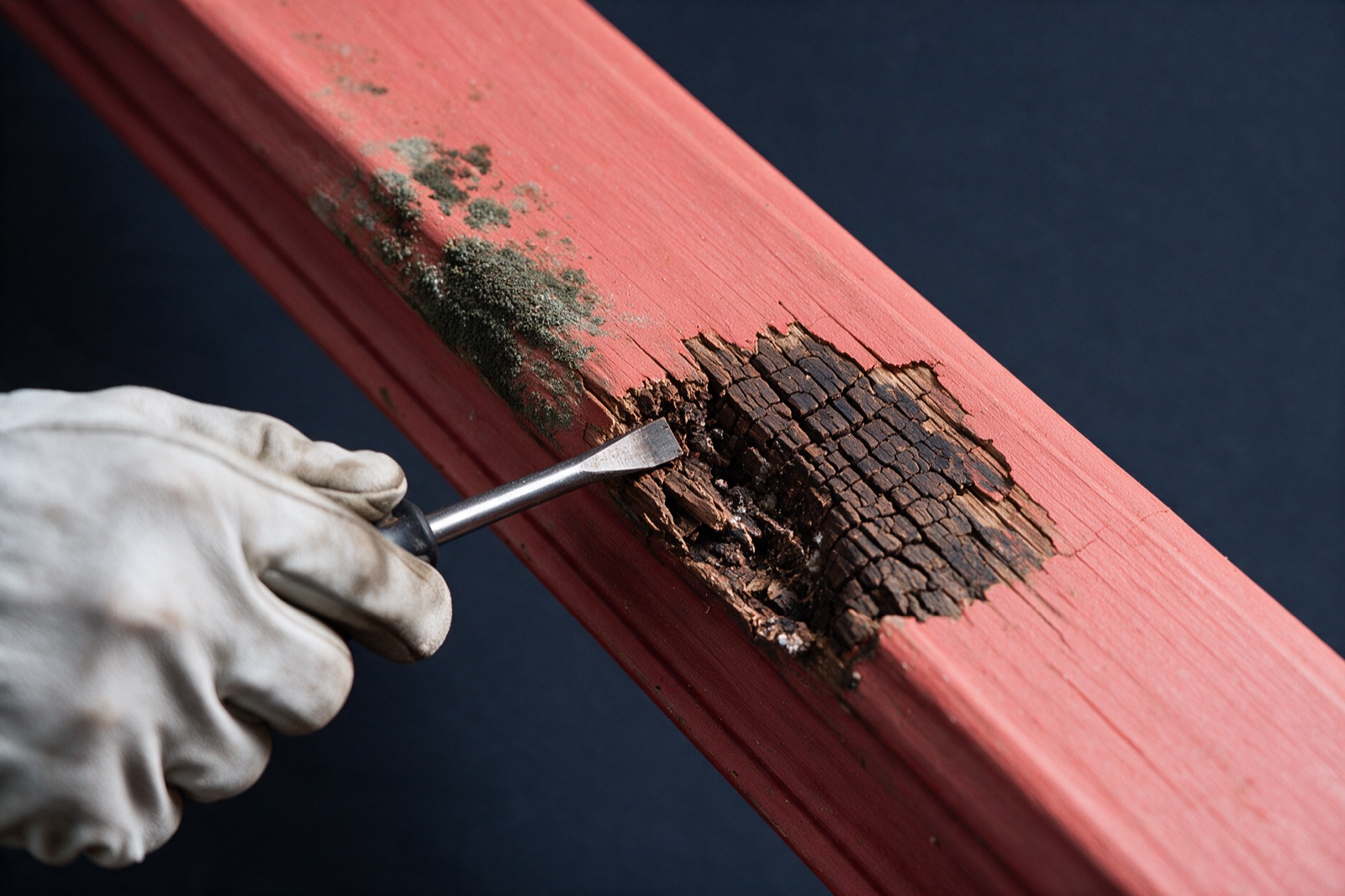
Dark, damp-looking patches on exterior or interior wood get blamed on both, and wood rot vs mold genuinely can look similar to the naked eye. The distinction matters because the health stakes and the structural stakes aren’t the same, and mixing them up means treating the wrong problem.
What Mold Actually Is
Mold is a fungus that grows on the surface of a material, including wood, but also drywall, fabric, and other porous surfaces, without necessarily consuming or structurally weakening what it’s growing on.
According to Health Canada’s guidance on addressing moisture and mould indoors, mold can appear in a range of colors, black, white, red, orange, yellow, blue, or violet, not just the black growth most people picture. Health Canada has concluded that indoor mold growth may pose a health hazard, though current scientific information doesn’t support a single defined safe exposure limit, meaning the practical guidance is to address any significant mold growth rather than try to judge a threshold yourself.
What Wood Rot Actually Is
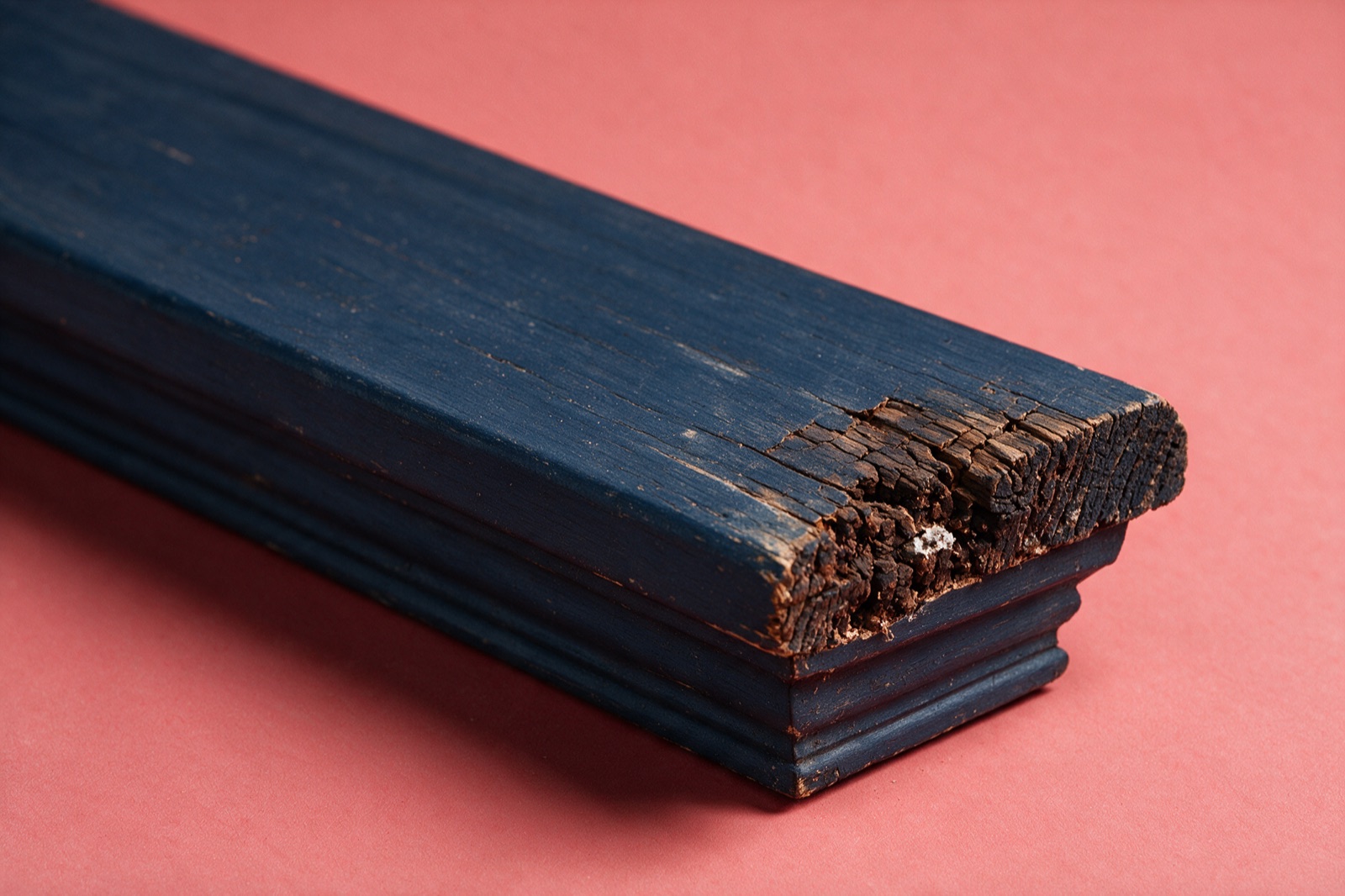
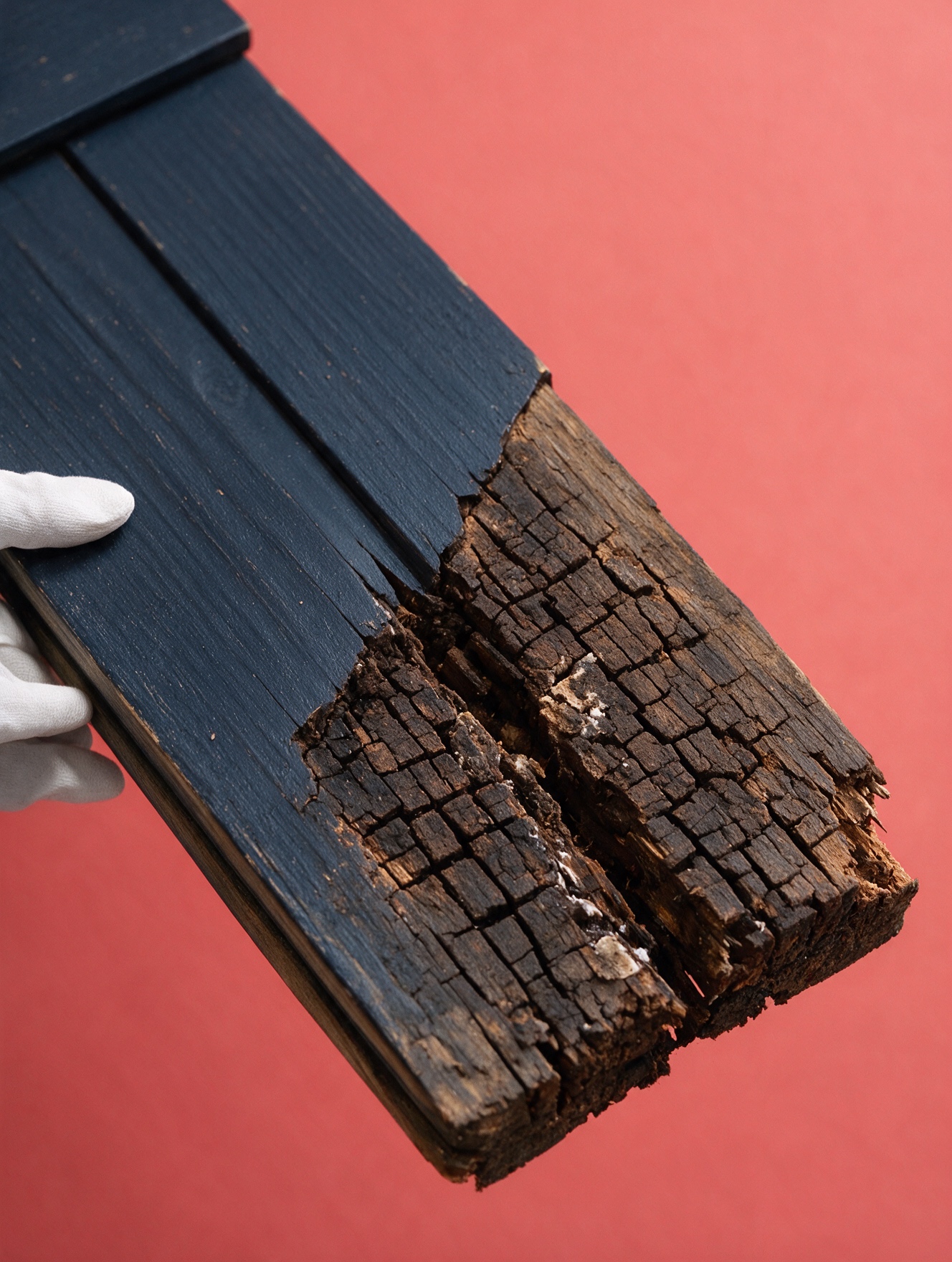
Wood rot is different in kind, not just in appearance. It’s fungal decay that consumes the cellulose and lignin inside the wood itself, breaking down the material’s structural integrity rather than just growing across its surface.
According to CMHC’s guidelines for on-site wood moisture measurement, this requires sustained wood moisture, generally becoming a real risk above roughly 19 to 20 percent moisture content. Where mold is primarily a surface and air-quality concern, wood rot is a structural one.
The One Test That Actually Separates Them
The Poke Test, pressing a flathead screwdriver into the wood, is the fastest way to tell these apart in the field. If the wood underneath is structurally sound, resisting the screwdriver normally, what you’re looking at is very likely mold or surface staining, not rot. If the wood gives way easily, sinking a quarter inch or more, structural decay is present, whether or not mold is also growing on the surface.
Can You Have Both at Once
Yes, and it’s common rather than unusual. Both mold and wood rot fungi need the same underlying condition to establish themselves, sustained moisture, so a spot with a persistent leak or poor drainage is a reasonable environment for both. Finding surface mold on a piece of exterior trim doesn’t rule out rot underneath, and finding rot doesn’t rule out mold on the surrounding surface. The Poke Test tells you about the wood’s structural condition regardless of what’s growing on top of it.
Why the Fix Is Different for Each
According to Health Canada’s guidance, moderate mold growth can often be addressed directly, though larger or recurring areas warrant a professional. Critically, Health Canada’s guidance is explicit that the underlying moisture source has to be corrected, or mold growth will simply return after cleanup, the same principle that governs wood rot repair.
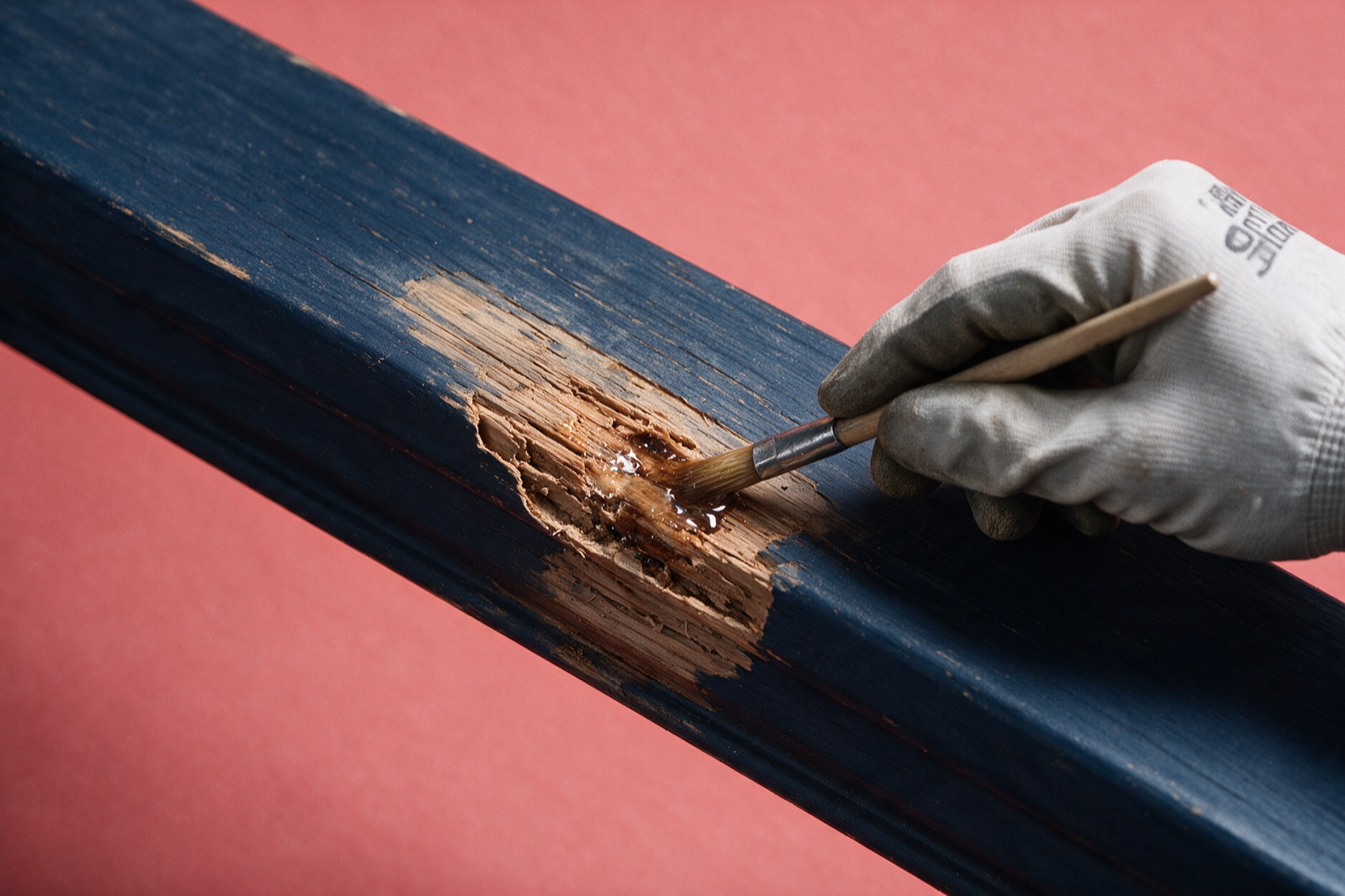
Cleaning visible mold off a surface without fixing what’s keeping it wet solves the appearance, not the cause. Wood rot doesn’t have a surface-cleaning equivalent. Once fungal decay has consumed wood fiber, that structural loss doesn’t reverse with cleaning, the affected wood needs to be consolidated or replaced, based on how far the decay extends.
What to Do With Either Finding
If it’s mold without structural softness: address the moisture source first, then clean the affected area following Health Canada’s guidance, using appropriate precautions for the area involved.
If the Poke Test shows softness: that’s wood rot, or wood rot alongside surface mold, and it needs a moisture-meter assessment to determine the actual extent, not just a surface treatment.
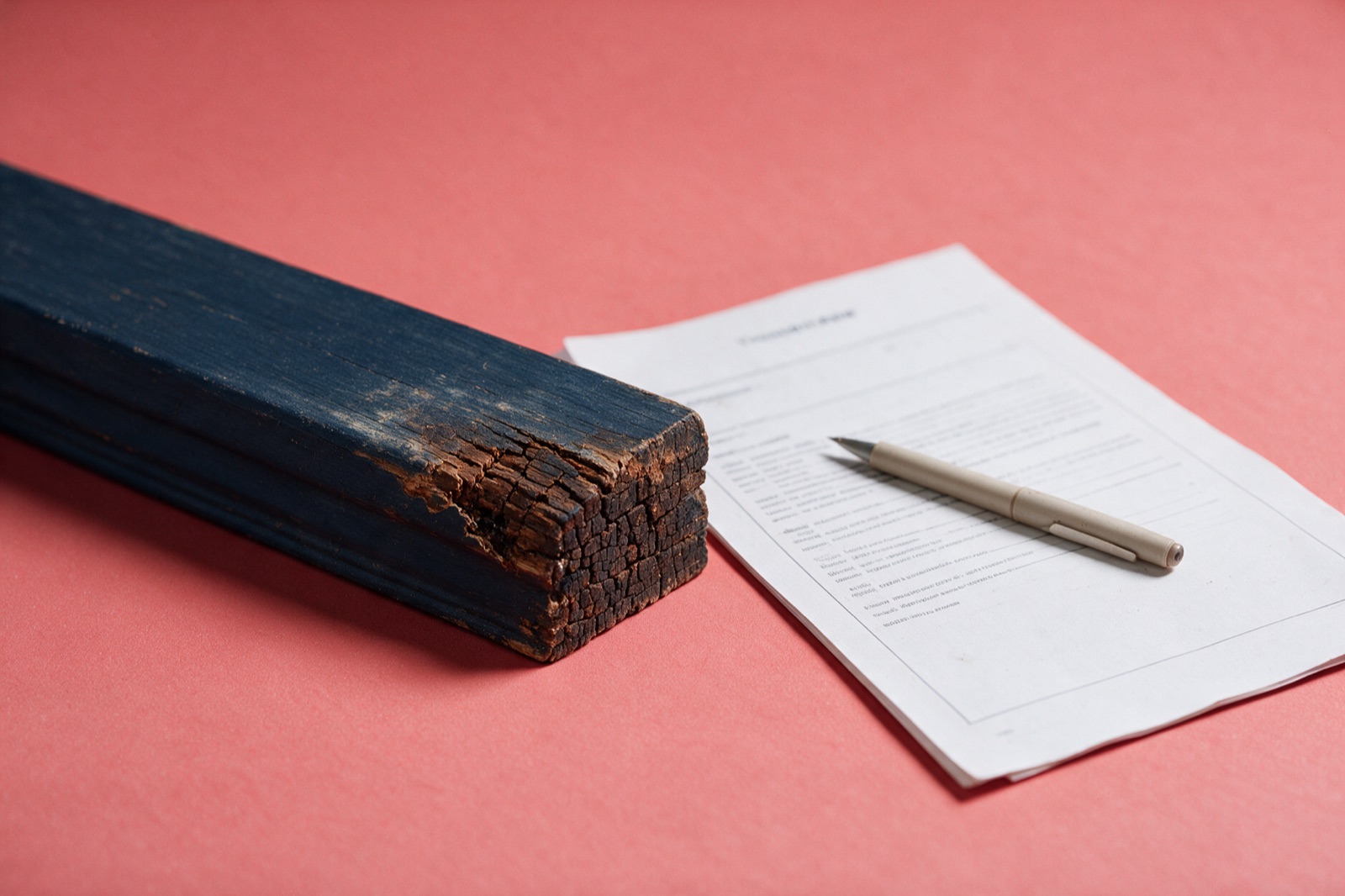
If you’re not sure which you’re looking at, or how far it extends: that uncertainty is exactly what a proper inspection resolves. For the fuller diagnostic picture, including how termite damage fits into this comparison, see our guide: Is It Rot? The Complete Diagnostic Guide.
Not sure what you’re dealing with?
For the full set of visual, physical, and smell-based checks, see our Is It Wood Rot? guide.
Sources: Health Canada, Guide to Addressing Moisture and Mould Indoors; Canada Mortgage and Housing Corporation (CMHC), Guidelines for On-Site Measurement of Moisture in Wood Building Materials.