Wood Rot Before Selling a House: A Seller's Guide
By STOP THE ROT CO.
Finding wood rot before selling a house puts a BC seller in a specific position worth understanding clearly, since the disclosure rules here are more nuanced than a simple “do I have to tell them” question, and getting it wrong carries real consequences. This is general information, not legal advice, and your specific situation is worth discussing with your realtor or a real estate lawyer.
BC’s Disclosure Framework, Briefly
Sellers in BC have a common law duty to disclose known latent defects, issues that aren’t visible or easily discoverable through a normal inspection. The Property Disclosure Statement, the standard form used to do this, is technically voluntary, not legally mandatory, though according to the BC Real Estate Association, roughly three-quarters of sellers provide one. There’s now also a formal option to decline disclosure entirely, the Property No Disclosure Statement.
Here’s the part that matters most for rot specifically: even where a seller declines to complete a PDS, the seller’s own realtor has an independent, separate legal obligation under Section 59 of the Real Estate Services Rules to disclose any known material latent defect to the buyer, regardless of the seller’s wishes. If a seller instructs their realtor not to disclose something the realtor knows about, the realtor is required to stop acting for that seller rather than comply.
Why This Specifically Matters for Wood Rot
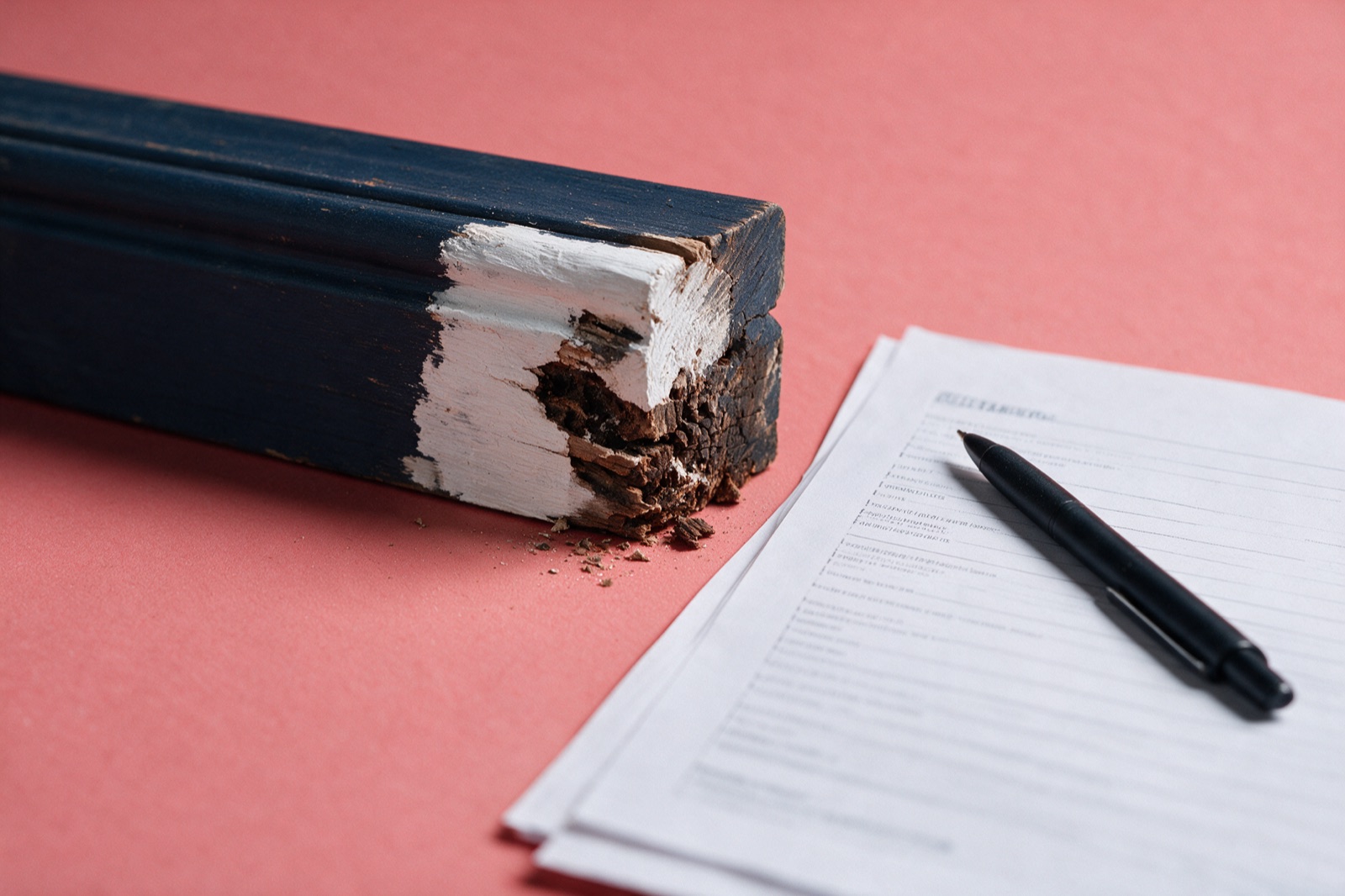
Visible, easily discoverable defects, called patent defects, generally don’t require proactive disclosure on a PDS, the standard is roughly “buy what you see.” But a seller cannot intentionally conceal a patent defect from a buyer. Painting over a known area of rot or a known leak to hide it before a showing is a specifically cited example of exactly the kind of concealment this rule is meant to prevent, not just poor practice, a real source of legal exposure if discovered after the sale.
The Practical Case for Addressing It Before Listing
Beyond the legal framework, there’s a straightforward practical argument for dealing with a known rot issue before listing rather than during a buyer’s due diligence period. A documented, professionally addressed repair, with a written report showing what was found and what was done about it, is a stronger position than a buyer’s inspector discovering it mid-transaction, where it can affect negotiations, delay closing, or raise the exact concealment question above if the finding looks like it was painted over rather than properly handled.
What a Pre-Listing Assessment Gives You
A written, dated inspection report serves two purposes regardless of what you decide to do with the finding: it gives you accurate information to make an informed disclosure decision, and if you proceed with a repair, it documents that the issue was identified and properly addressed, not hidden. Our free inspection provides exactly this kind of documentation, whether or not you move forward with the repair itself.
A Note on What to Actually Disclose
Deciding exactly what goes on a PDS, and how to characterize a repaired issue, is a real estate and legal question specific to your situation, not something this guide can answer generally. Your realtor carries independent disclosure obligations regardless of what you decide, and a real estate lawyer can advise on your specific circumstances if there’s any uncertainty.
Want a documented assessment before you list?
A documented pre-sale inspection is exactly what a buyer or their inspector will want to see, see Is It Wood Rot? for the warning signs worth checking before you list.
Sources: BC Financial Services Authority (BCFSA), Material Latent Defects guidance; BC Real Estate Association (BCREA), Property Disclosure and Non-Disclosure guidance.