What Is Dry Rot vs. Wet Rot
By STOP THE ROT CO.
What is dry rot vs wet rot is one of the more confusingly named questions in this whole topic, largely because the terms themselves are misleading.
Neither “dry rot” nor “wet rot” is a precise scientific category the way it sounds. Both describe fungal decay that requires moisture to start, they just describe it at different stages or with different regional usage.
Where These Terms Actually Come From
“Dry rot” and “wet rot” originated as building trade terminology, used inconsistently across different regions and even different tradespeople. Neither term maps cleanly onto a single fungal species or a fixed scientific definition, which is part of why the same finding gets called one thing by one person and the other by someone else.
What People Usually Mean by “Dry Rot”
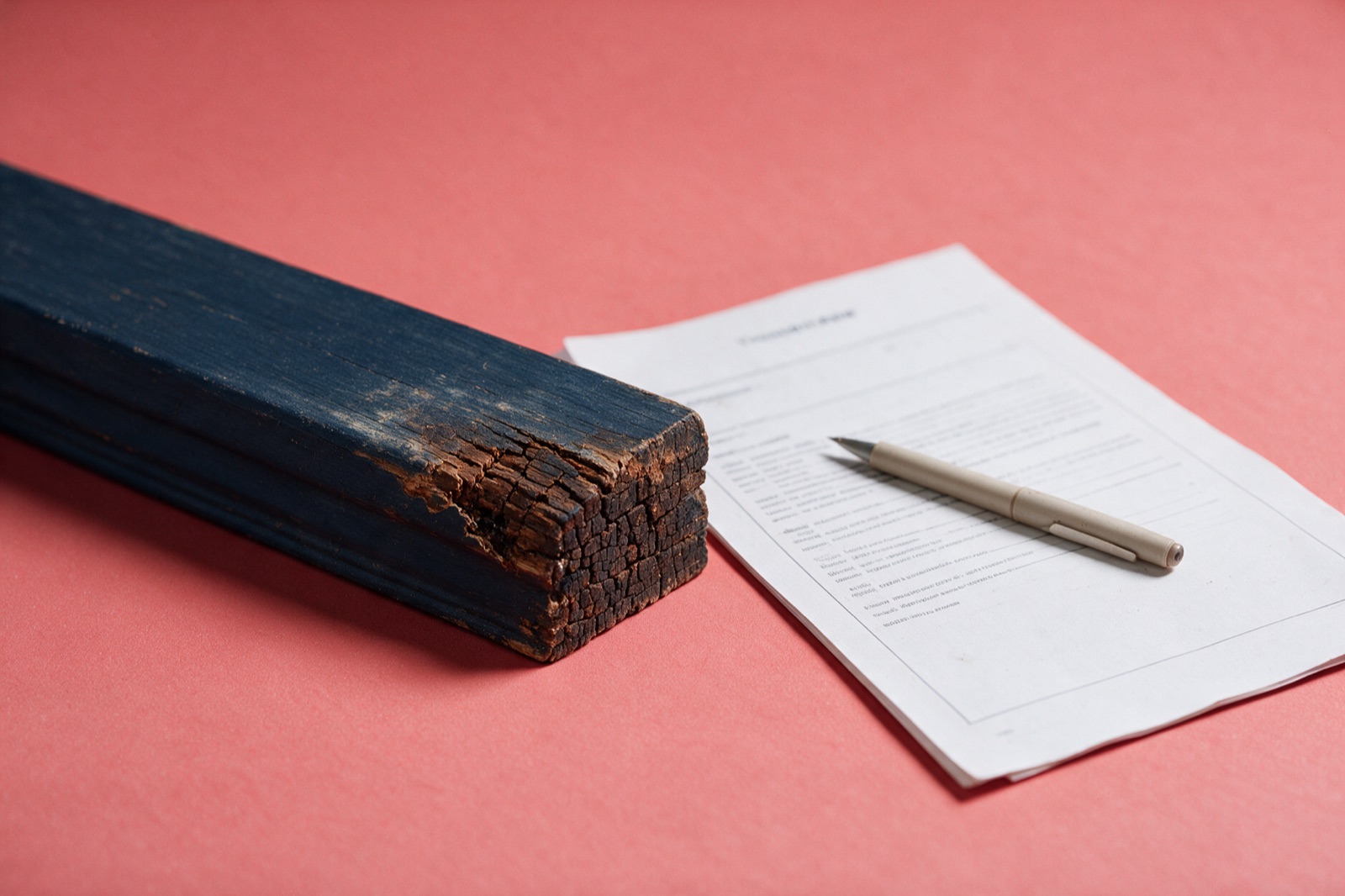
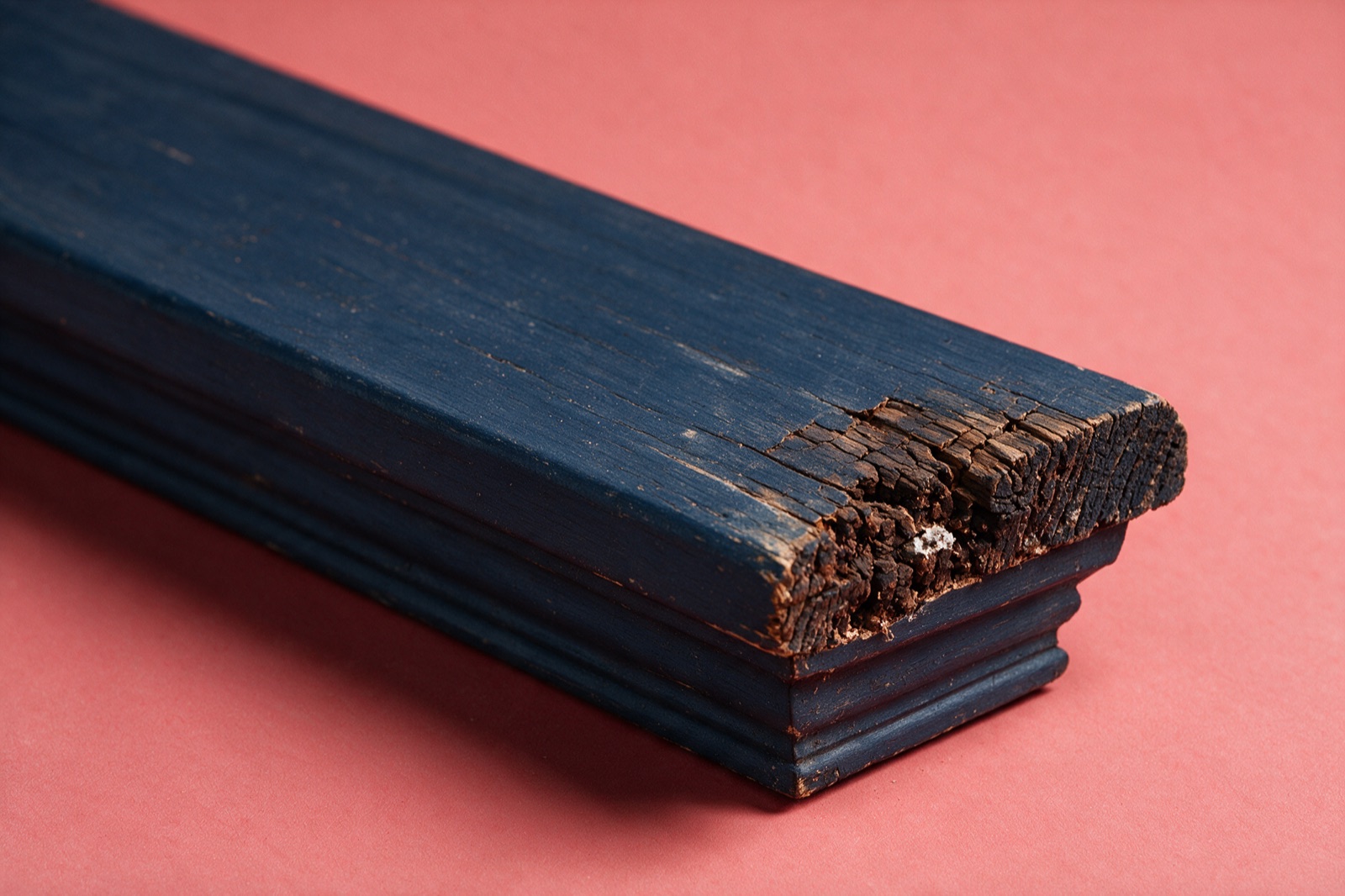
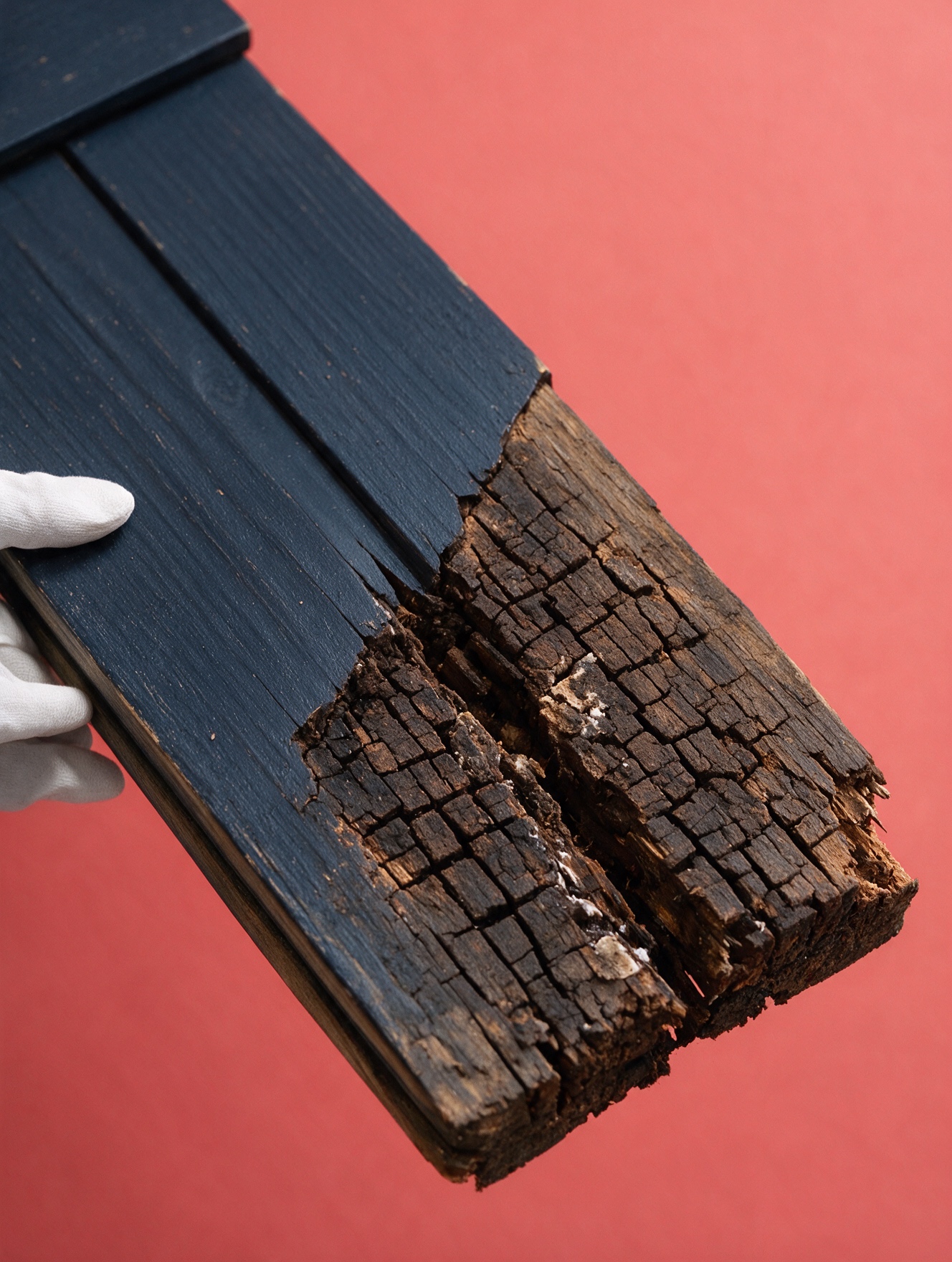
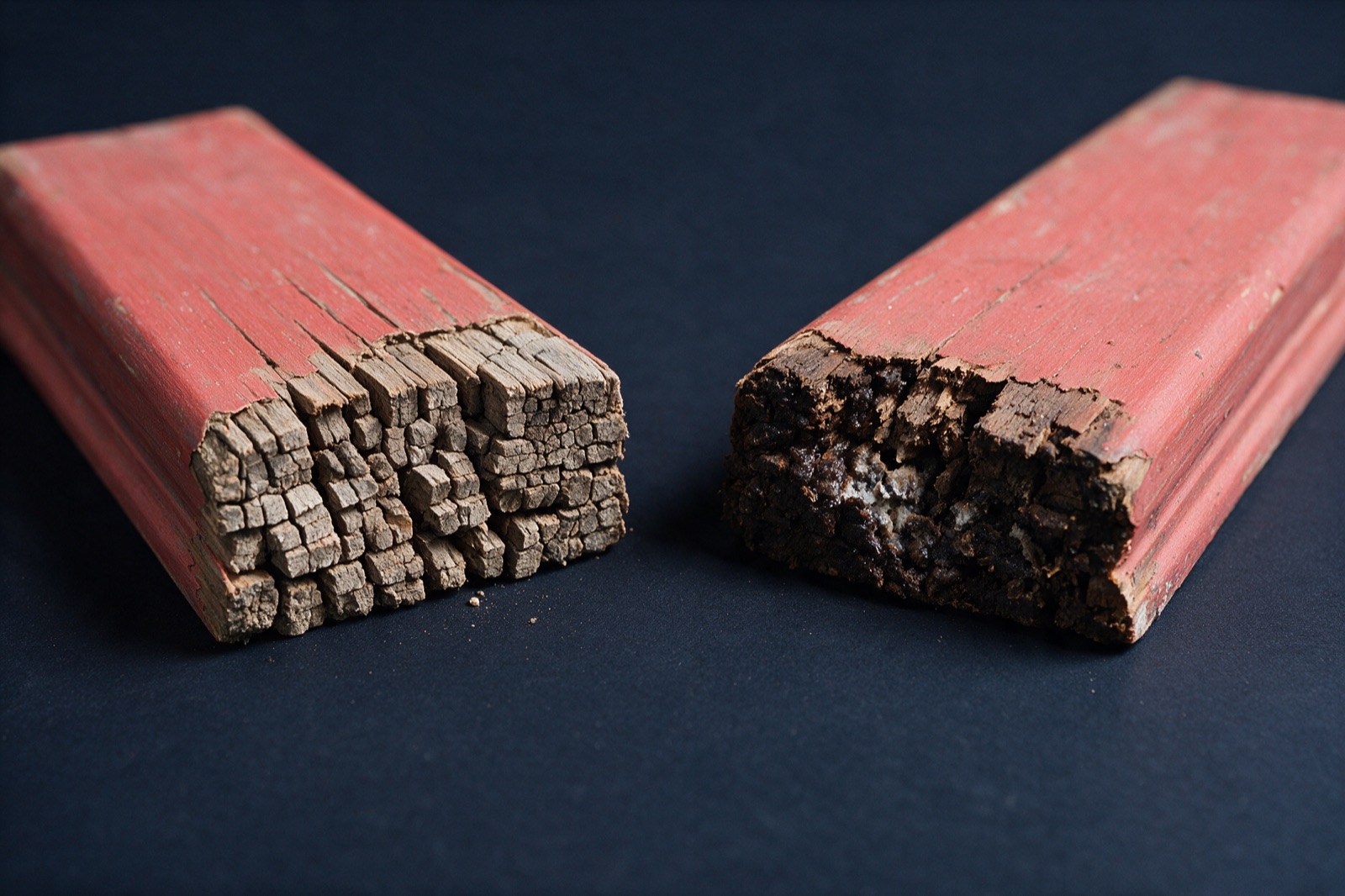
Despite the name, dry rot doesn’t mean decay happened without moisture, it can’t. What people are usually describing is wood that decayed, then dried out, leaving a crumbly, cracked, dry-to-the-touch appearance. According to Canadian Wood Council durability research, brown rot, the most common decay type in wood-frame homes, breaks wood down into small, blocky, cube-like pieces as it progresses, and dried, affected wood crumbles to a fine powder under light pressure. That desiccated end stage is almost always what “dry rot” is actually referring to.
What People Usually Mean by “Wet Rot”
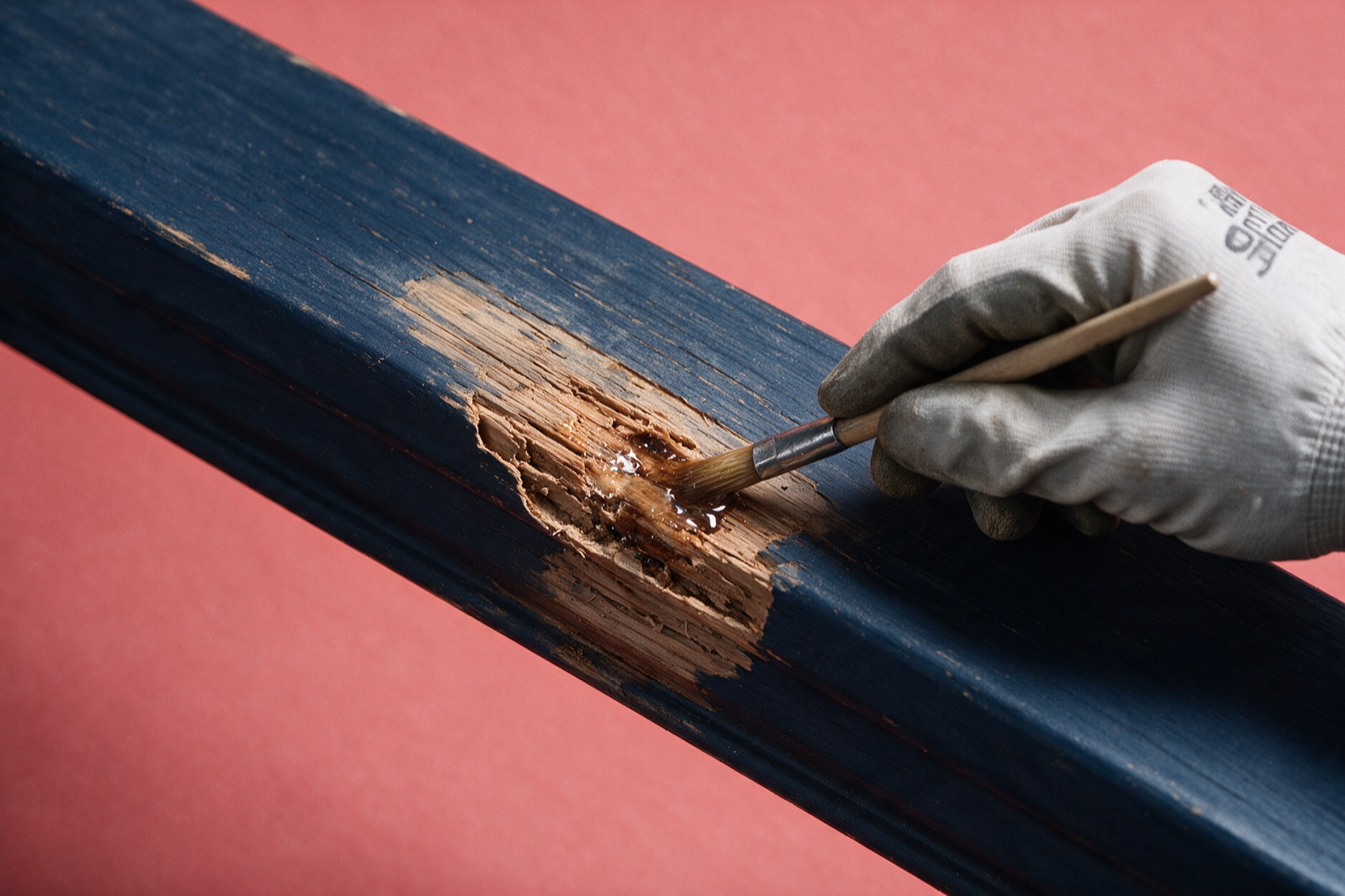
Wet rot generally describes active decay in wood that’s currently damp, often appearing darker, softer, and spongier than the dry, crumbly appearance above. This is decay caught mid-process rather than after it’s dried out, and it’s often accompanied by visible fungal growth or a musty smell that dry, dormant rot may no longer have.
The Part That Actually Matters: Both Require Moisture, and Neither Stays Gone
The most important fact often missed in this distinction: rot that’s dried out and gone dormant isn’t necessarily resolved. According to CMHC’s guidelines for on-site wood moisture measurement, wood generally stays low-risk under roughly 19 to 20 percent moisture content, with active decay likely above roughly 28 to 30 percent. Wood that dries below that threshold can appear stable, crumbly but no longer actively spreading, while the fungus itself remains dormant rather than dead. The moment moisture returns to that same wood, decay can reactivate. “Dry” doesn’t mean finished.
Why the Terminology Matters Less Than the Fix
Whether a finding gets called dry rot or wet rot, the actual response is the same: identify and correct the moisture source, then assess the wood itself with a moisture-meter reading to determine whether repair or replacement is appropriate. The label doesn’t change the underlying cause or the correct fix, it’s mostly useful as a rough description of what stage the decay is currently in.
Not sure what stage your finding is at, or whether it’s still active?
Whichever type you’re dealing with, our Is It Wood Rot? guide covers how to confirm it before deciding on a repair.
Sources: Canada Mortgage and Housing Corporation (CMHC), Guidelines for On-Site Measurement of Moisture in Wood Building Materials; Canadian Wood Council, durability and decay research.