What Is Brown Rot
By STOP THE ROT CO.
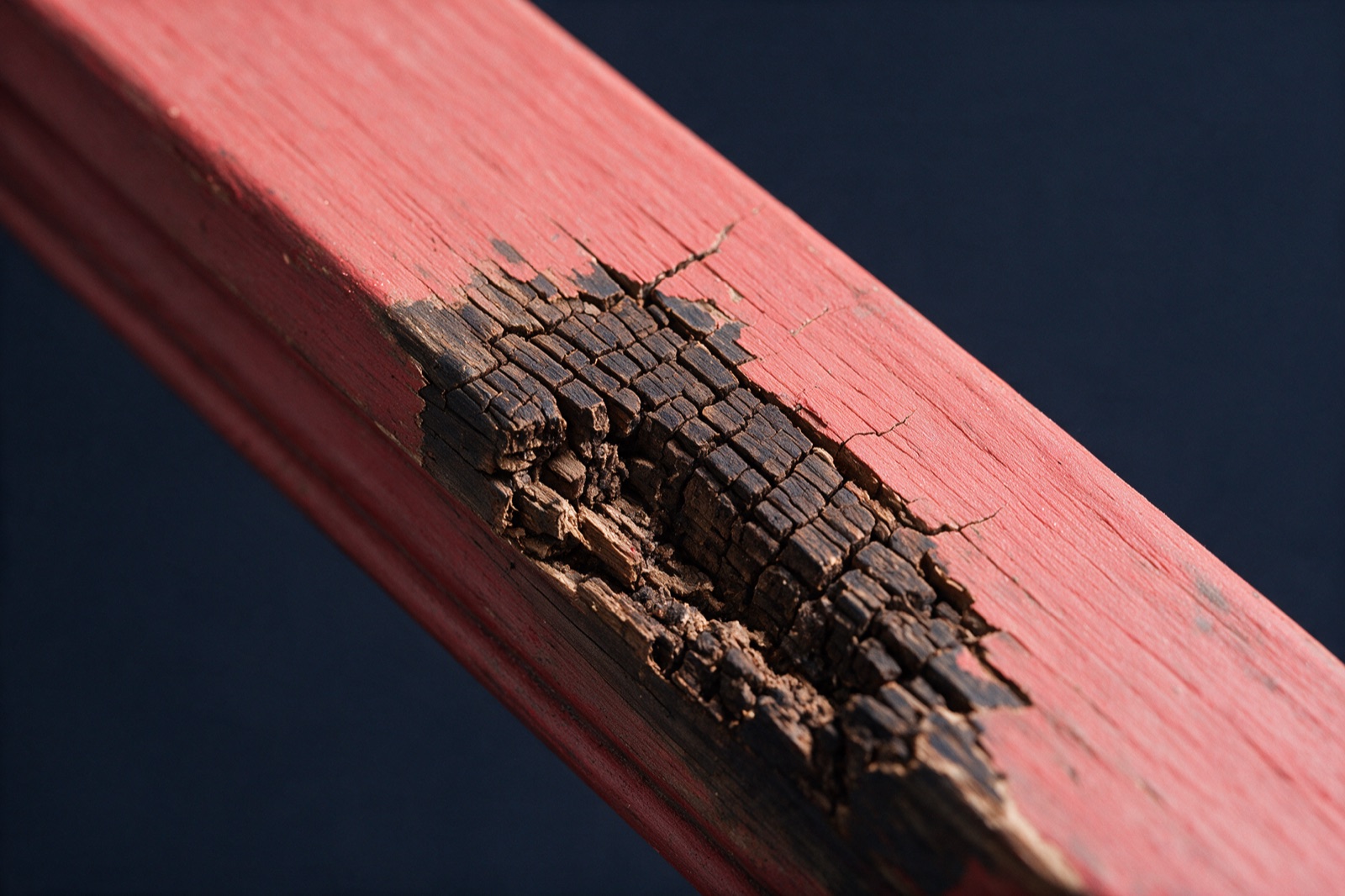
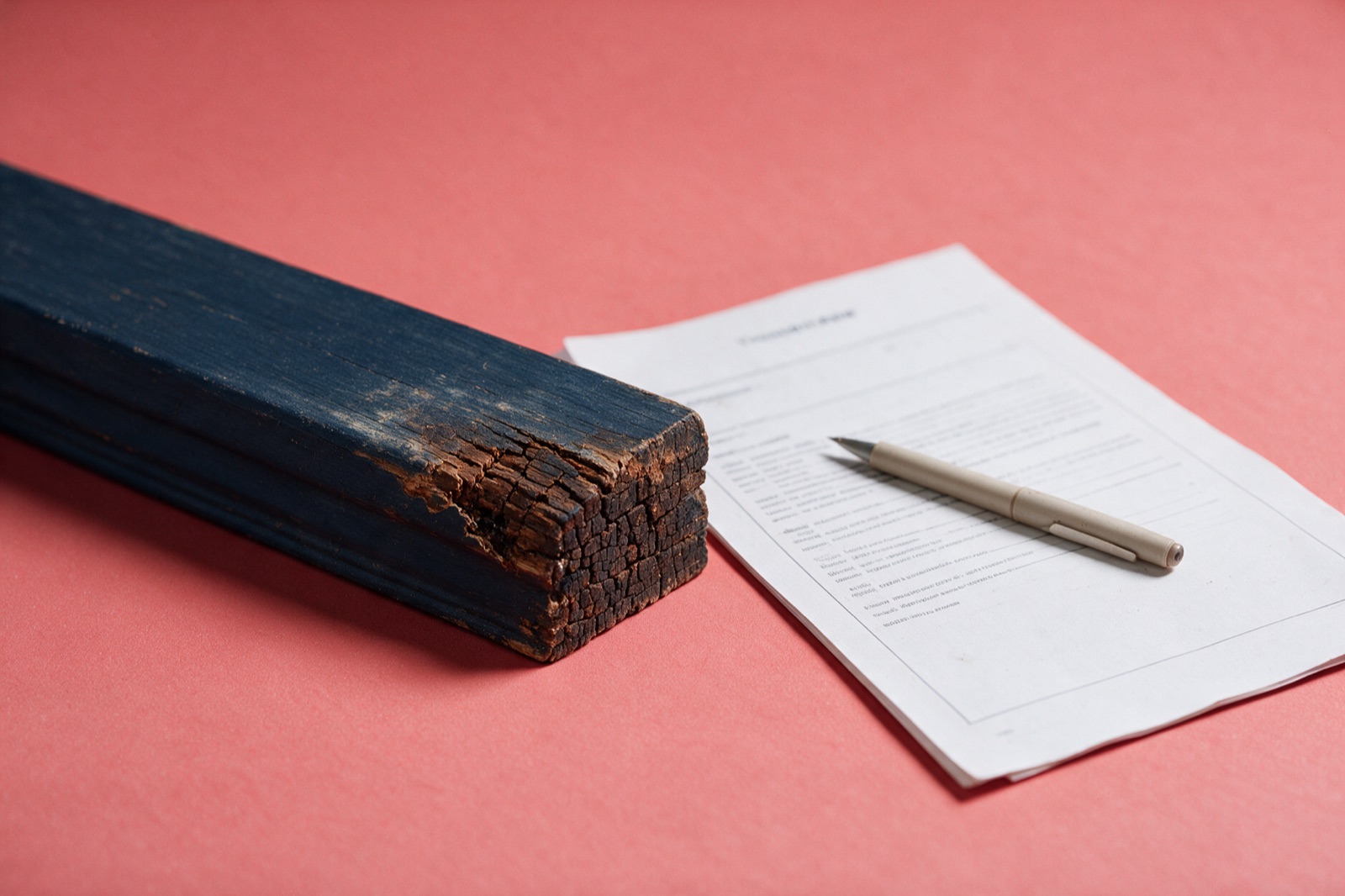
Most wood rot found in Vancouver homes, on decks, windowsills, siding, and framing, is brown rot.
Understanding what brown rot is explains both why it looks the way it does and why dried, affected wood tends to crack into small, blocky squares rather than just soften uniformly.
What Brown Rot Actually Does to Wood
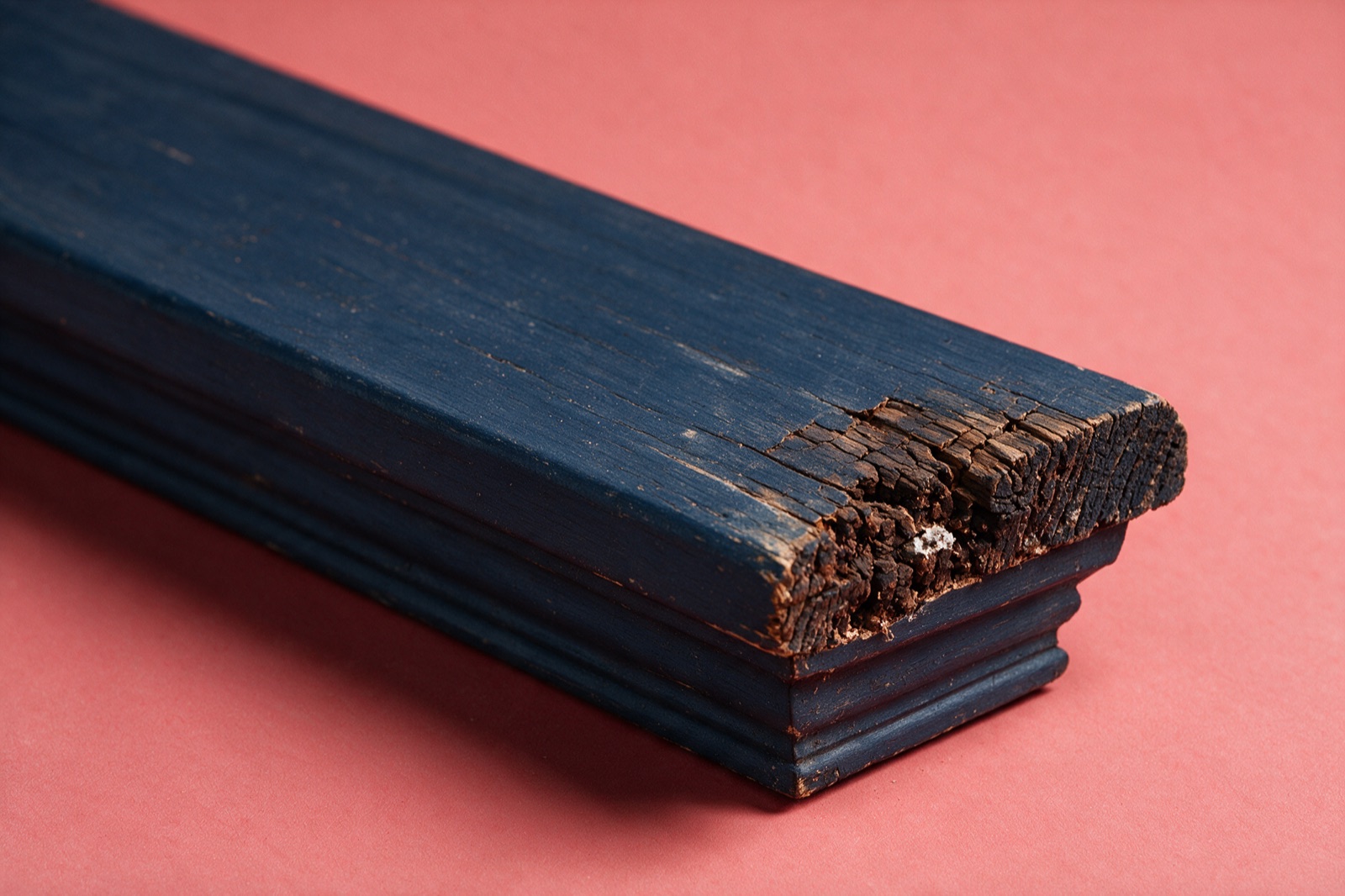
Wood gets its strength from cellulose and hemicellulose, the structural carbohydrates in its cell walls, along with lignin, a separate compound that gives wood its rigidity and, notably, its color. Brown rot fungi consume the cellulose and hemicellulose specifically, while leaving much of the lignin behind. Since lignin is naturally brown, that selective breakdown is what gives decayed wood its characteristic darker, brownish color as the lighter structural carbohydrates around it disappear.
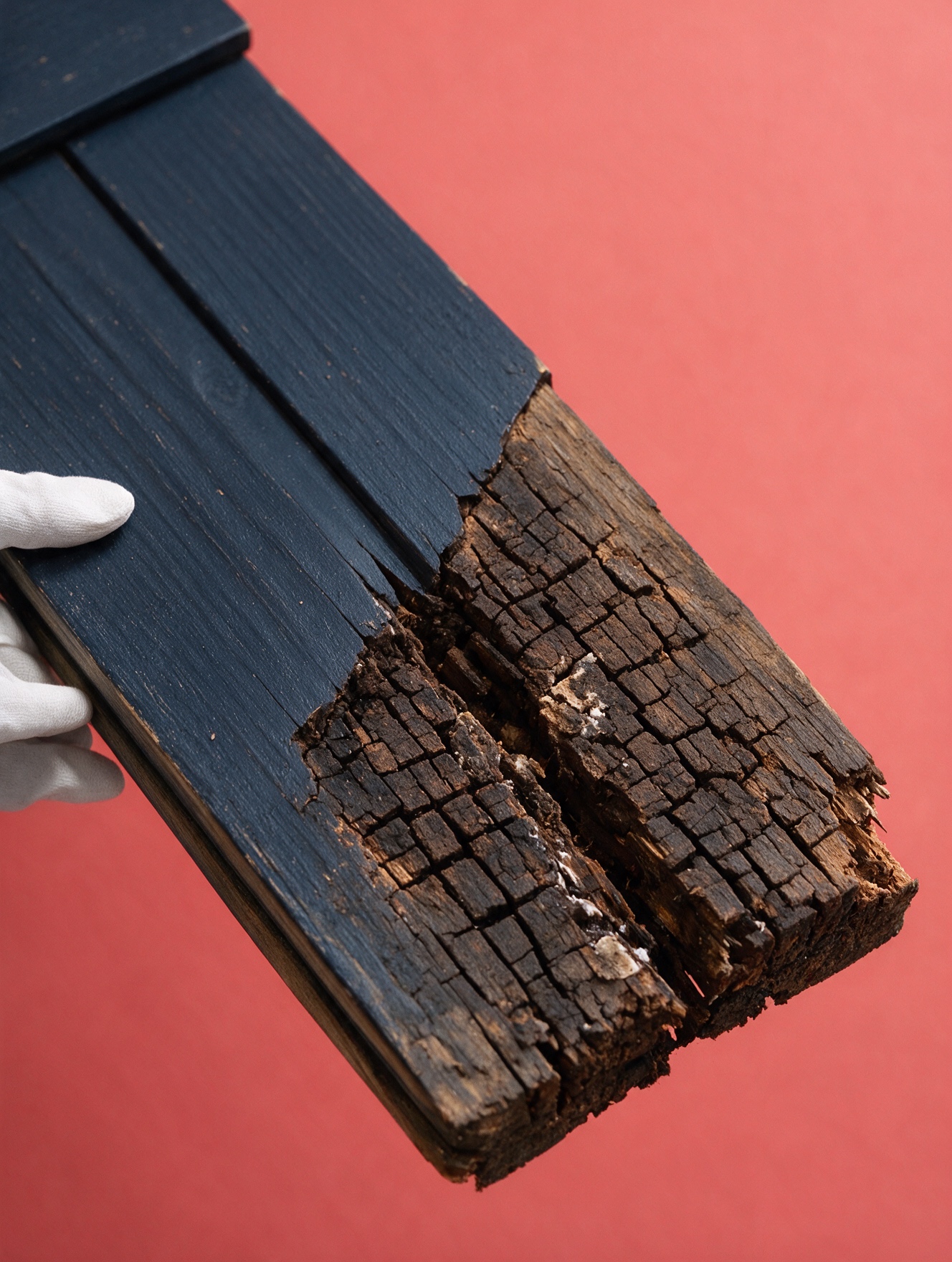
That selective consumption also explains the cracking pattern. As the cellulose structure that once held the wood’s shape breaks down, the remaining material shrinks unevenly and splits along both the grain and across it, producing the small, cube-like cracking pattern that’s one of the most recognizable signs of advanced brown rot.
Why This Is Usually What “Dry Rot” Means
When affected wood eventually dries out, brown rot’s remaining material, mostly lignin and degraded fiber, crumbles to a fine powder under light pressure. This dried, crumbly, cube-cracked appearance is almost always what people are describing when they use the informal term “dry rot.” For the fuller picture on that terminology, see our guide on dry rot vs. wet rot.
How to Identify It
~ Color: Dark brown to nearly black, often deepening as decay progresses
~ Cracking pattern: Small, roughly cube-shaped cracks running both with and across the grain
~ Texture when dry: Crumbles into powder under light pressure rather than splintering
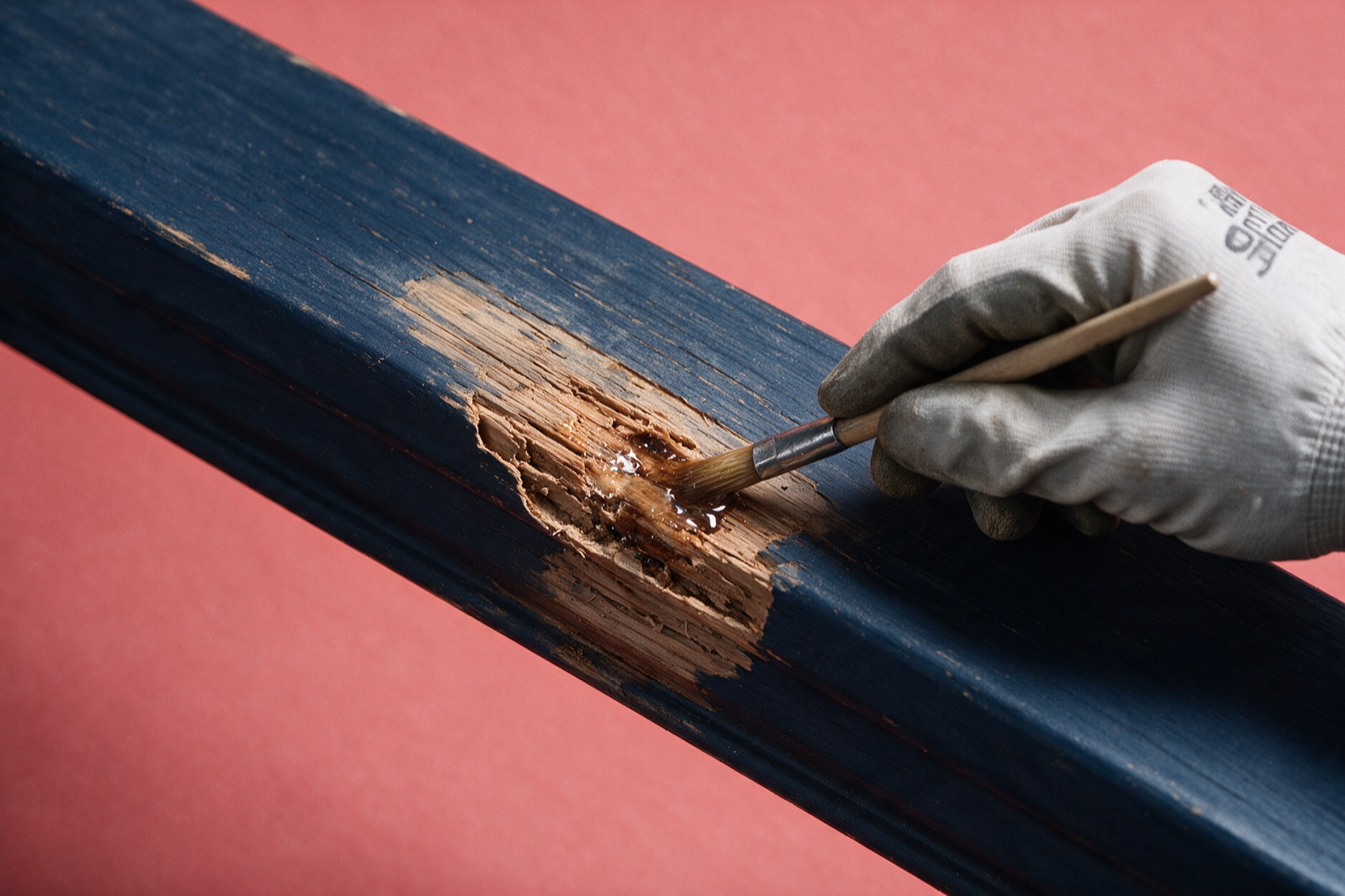
~ The Poke Test: A screwdriver sinks in easily with little resistance in affected areas
Brown Rot vs. White Rot, Briefly
A less common decay type, white rot, does close to the opposite. Rather than leaving lignin behind, white rot fungi break down lignin along with the structural carbohydrates, leaving wood pale, bleached, and stringy rather than dark and cube-cracked. White rot shows up less often in typical wood-frame residential construction than brown rot does, but the same underlying cause, sustained moisture, drives both.
Where It Shows Up Most
Brown rot concentrates wherever wood holds moisture consistently: windowsills, brickmolds, deck ledgers and posts, fascia and soffits, siding near ground level, and structural members like sill plates in older crawl space foundations. According to CMHC’s guidelines for on-site wood moisture measurement, wood generally stays low-risk under roughly 19 to 20 percent moisture content, the threshold that determines whether any of these locations are actually at risk versus simply exposed to occasional rain.
What This Means for Repair
Identifying brown rot specifically doesn’t change the fundamental approach: the moisture source needs correcting first, then the wood itself gets assessed with an actual moisture-meter reading to determine whether repair or replacement is the right call. For that full decision framework, see our guide on repair vs. replace wood rot.
Found dark, crumbling wood and not sure how far it extends?
Brown rot is one of several patterns we check for during a proper inspection, see our free 20-point inspection for the full checklist.
Sources: Canadian Wood Council, durability and decay research; Canada Mortgage and Housing Corporation (CMHC), Guidelines for On-Site Measurement of Moisture in Wood Building Materials; USDA Forest Products Laboratory, general wood decay mechanisms (paired with Canadian sources above).