What Causes Wood Rot in Vancouver Homes
By STOP THE ROT CO.
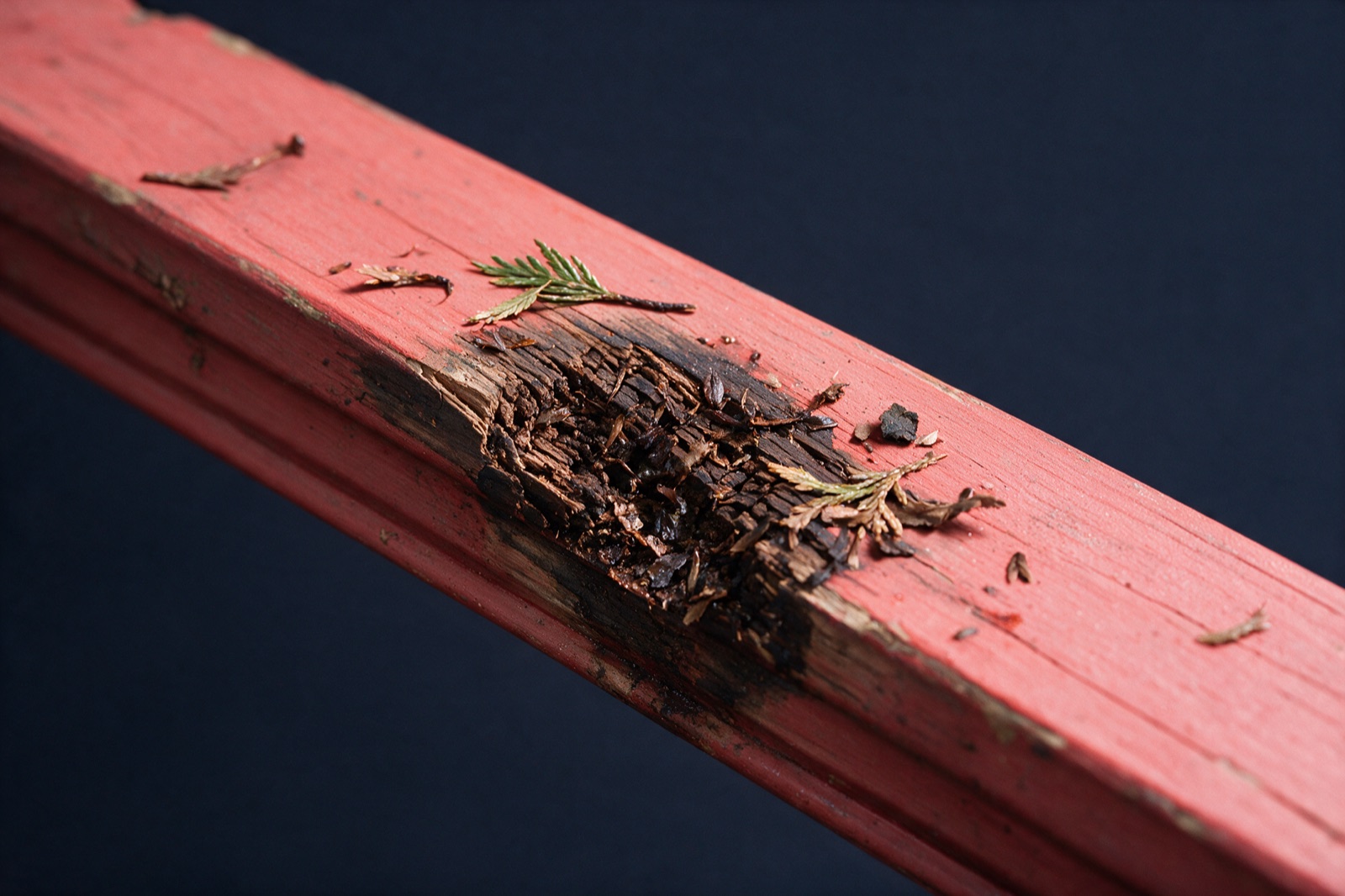
Wood rot has one universal cause, fungal decay requiring sustained moisture, but what causes wood rot in Vancouver specifically involves a combination of factors that don’t apply equally everywhere. Understanding the full picture explains why some neighbourhoods and some homes see it more consistently than others.
The Baseline Condition: Climate
Environment and Climate Change Canada’s climate normals put Vancouver’s wet season at roughly October through April, close to six months a year, where exterior wood regularly sits in conditions favourable to decay. According to CMHC’s guidelines for on-site wood moisture measurement, wood generally stays low-risk under roughly 19 to 20 percent moisture content, a threshold this region’s climate makes genuinely difficult to stay under for half the year without deliberate maintenance and good building design working in the wood’s favour.
Construction and Design Factors
Climate alone doesn’t cause rot, it sets the conditions. Construction details determine whether a home resists those conditions or works against itself. The National Building Code of Canada requires air and vapour barriers on the warm side of insulated stud walls specifically to manage interior moisture, a standard that didn’t exist or wasn’t consistently applied when much of Vancouver’s older housing stock was built. Flashing details at rooflines, deck ledgers, and window openings, when installed incorrectly, create direct entry points for water regardless of how good the surrounding materials are. Poor grading, where soil slopes toward rather than away from a foundation, keeps ground-level moisture elevated around sill plates and siding year-round.
Tree Canopy and Shade
This is a factor specific enough to Vancouver’s character that it’s worth its own mention. According to the City of Vancouver’s urban forest data, the city’s tree canopy currently covers roughly 25 percent of its land area, with West Point Grey, Dunbar-Southlands, Shaughnessy, and Kerrisdale consistently identified among the neighbourhoods with the highest canopy cover in the city. Mature tree canopy has real benefits, but for exterior wood, it also means siding, trim, and roofing stay shaded and are slower to dry after rain, and gutters in these areas collect debris faster, contributing to the overflow that drives fascia and roofline rot. It’s not a coincidence that these same tree-heavy neighbourhoods also carry some of Vancouver’s largest concentrations of older character homes.
Maintenance Factors
Even with unfavourable climate and construction working against a home, consistent maintenance closes most of the gap. Deferred caulking at joints, peeling paint left unaddressed, and gutters that go uncleared are the maintenance-level failures that, over enough wet seasons, turn a manageable exposure into an active decay problem. For the full breakdown of what to actually do about this, see our guide on how to prevent wood rot.
Why These Factors Compound Each Other
None of these causes operate in isolation. A home with good construction details in a low-canopy, well-maintained setting can handle Vancouver’s climate reasonably well. A home built before modern moisture-management standards, situated under heavy tree cover, with deferred exterior maintenance, is dealing with all three at once, which is exactly the combination behind the concentration of rot findings in some of Vancouver’s oldest, leafiest neighbourhoods.
Wondering how these factors apply to your specific home?
Plumbing-sourced rot needs the leak traced, not just the wood repaired, see Water Leak Rot Damage Repair for how we handle that.
Sources: Environment and Climate Change Canada, Canadian Climate Normals; Canada Mortgage and Housing Corporation (CMHC), Guidelines for On-Site Measurement of Moisture in Wood Building Materials; National Building Code of Canada; City of Vancouver, Urban Forest Strategy.