Tenant Rights and Wood Rot in a BC Rental
By STOP THE ROT CO.

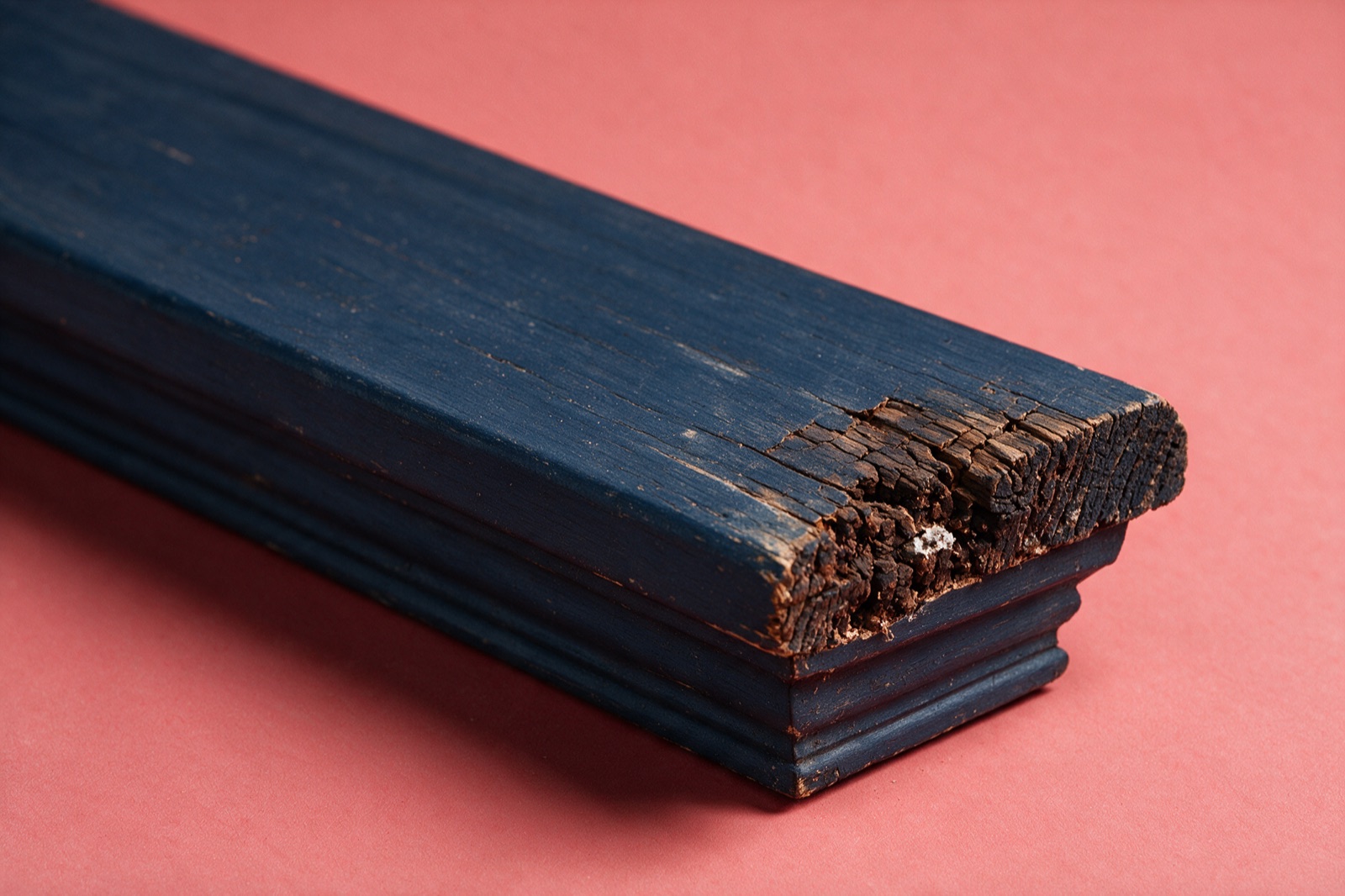
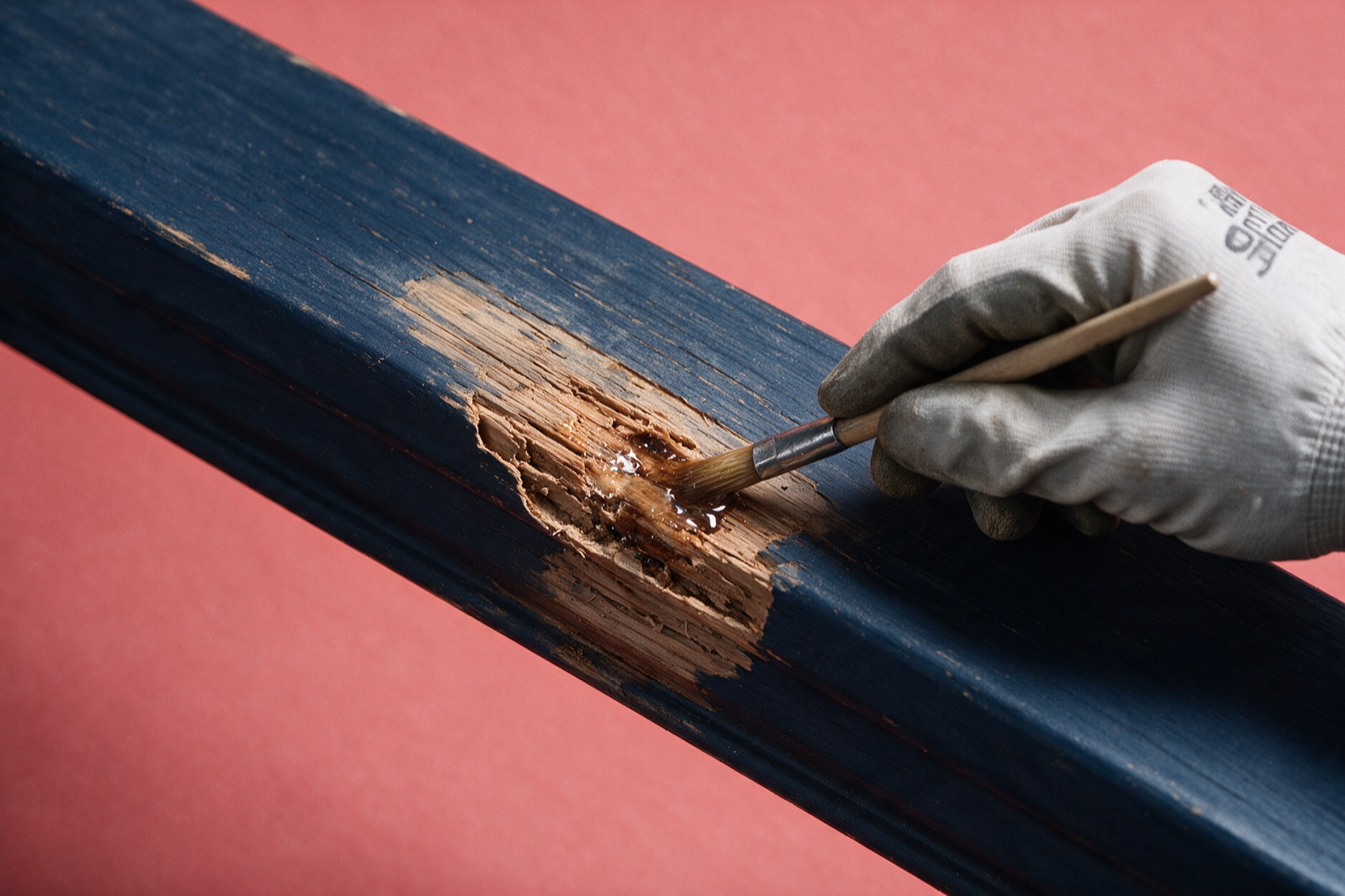
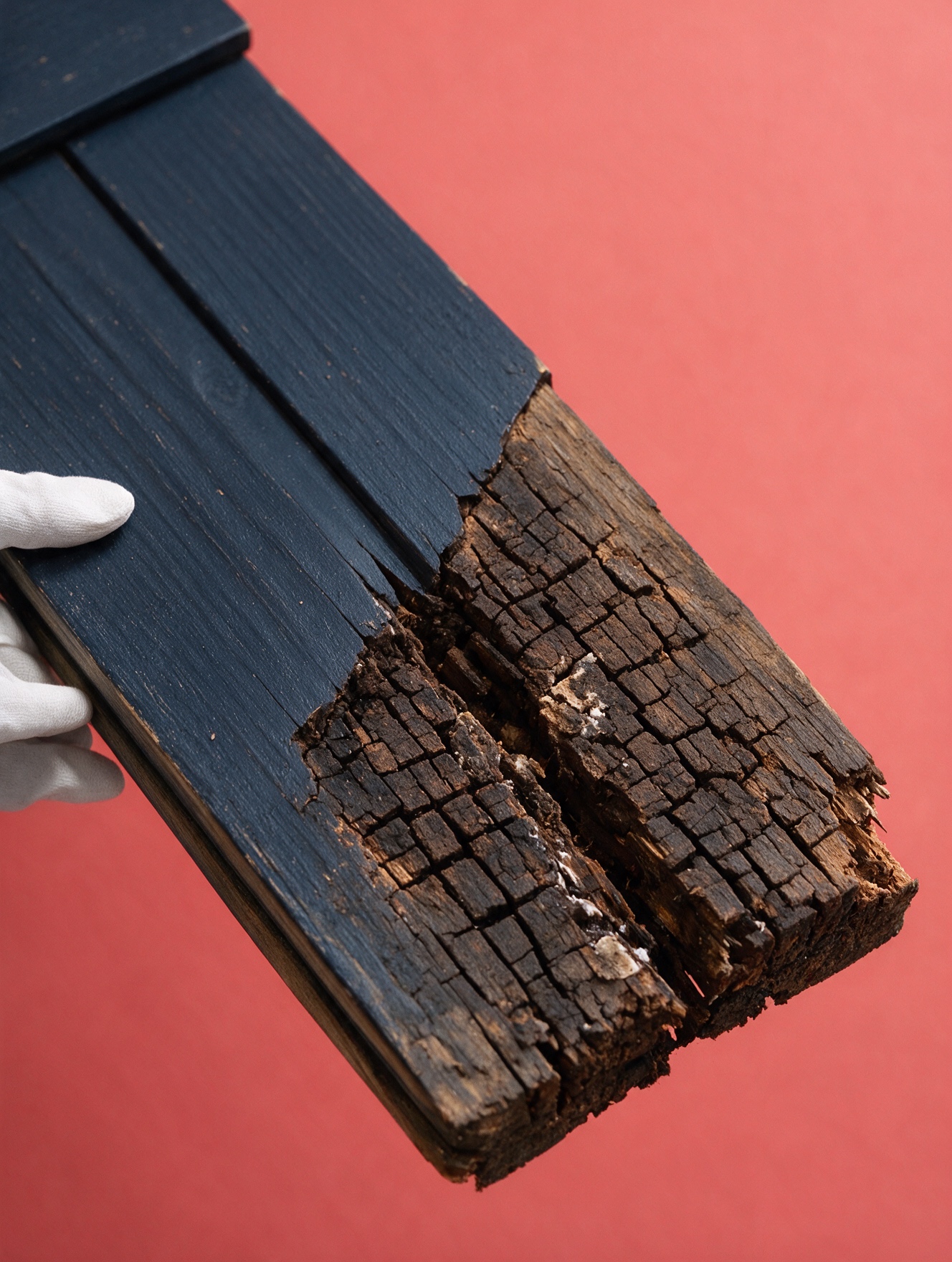
Noticing wood rot in a rental raises a fair question: whose responsibility is it, and what can you actually do if nothing gets fixed. This is general information based on BC’s Residential Tenancy Act and official guidance, not legal advice, specific disputes are worth taking to the Residential Tenancy Branch or a tenant advocacy resource directly.
The Core Right: Your Landlord Must Maintain the Structure
Under Section 32 of the Residential Tenancy Act, landlords are required to keep a rental property in a reasonable state of repair, meeting health, safety, and housing standards, and suitable for occupation. This duty explicitly covers the building’s structure, floors, walls, ceilings, and windows, the categories wood rot falls under.
Wood Rot Generally Isn’t Your Responsibility to Fix
Residential Tenancy Branch Policy Guideline 1 draws a clear line between reasonable wear and tear, natural deterioration from aging and normal conditions, which tenants aren’t required to repair, and damage a tenant actually caused. Wood rot from climate exposure or aging construction is squarely the former, not something caused by how you’ve used the unit, which places the repair responsibility on your landlord, not you.
How to Actually Report It
Put it in writing, an email or letter works, describing what you’re seeing clearly and where. This isn’t just formality, a written record protects you if the issue isn’t addressed and you need to escalate later. Keep a copy of what you sent and when.
What Counts as a Reasonable Timeframe
Repairs generally split into two categories. Genuinely urgent issues, anything creating an immediate safety hazard, get treated with real urgency. Most wood rot findings fall into the standard repair category instead, still a real obligation your landlord has to act on, just without the same immediate timeline as an emergency repair. If a finding does involve something like an unstable deck or stair structure, that’s worth treating and reporting as urgent.
If Nothing Happens: Your Options
If you’ve reported the issue in writing and given a reasonable amount of time with no response or action, you can apply to the Residential Tenancy Branch for dispute resolution. An arbitrator can order the landlord to complete the repair, and depending on the situation, may also order a rent reduction for the period the issue went unaddressed.
What Not to Do
Don’t withhold rent. It isn’t a recognized legal remedy for an unaddressed repair in BC, and doing so can put you at risk of eviction proceedings rather than resolve the actual issue. Don’t undertake a major structural repair yourself and expect reimbursement without your landlord’s agreement or going through the proper process first, doing so can leave you without recourse to recover the cost.
Documentation Helps Your Case
A written, professional assessment, documenting exactly what the issue is and its extent, strengthens a maintenance request or an RTB application considerably more than a description alone. If you want independent documentation to support a request to your landlord, a professional inspection report can help make your case clearly.
Want a written assessment to support a repair request?
If you’re a tenant trying to confirm what you’re seeing before raising it with a landlord, our Is It Wood Rot? guide covers the checks worth doing first.
Sources: Residential Tenancy Branch, BC Residential Tenancy Policy Guideline 1; Residential Tenancy Act, Section 32.