Windowsill Wood Rot: Repair or Replace, and What Actually Matters
By STOP THE ROT CO.
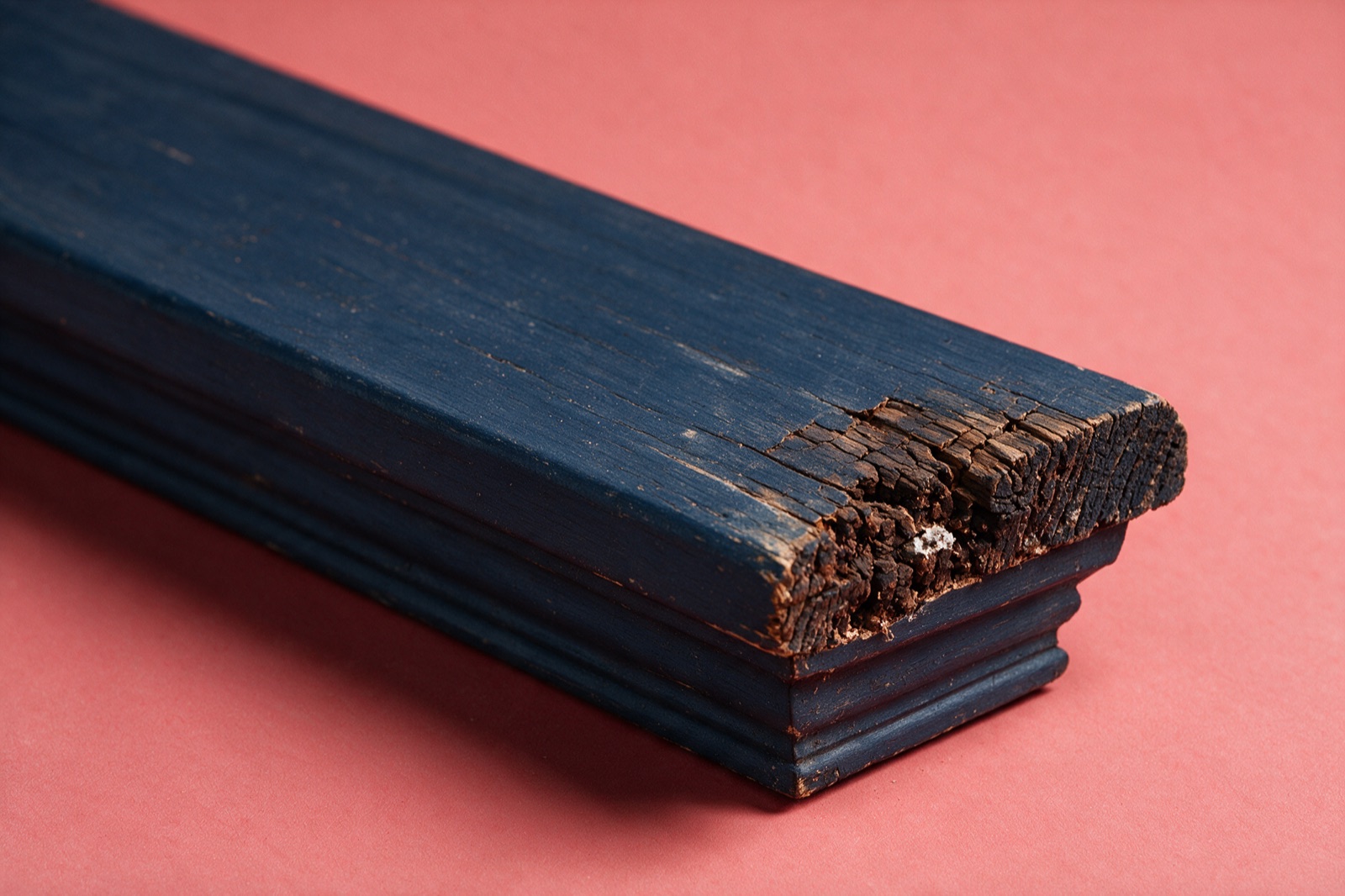
A windowsill has one job: shed water away from the house. When it fails, water doesn’t stay at the surface, it tracks straight into the frame and wall cavity behind it. A sill caught early is a small repair. A sill ignored becomes a framing job.
Why Sills Fail First
Sills fail before most other trim on a house for a simple physical reason: they’re horizontal, catching every drop that runs down the glass above and every bit of standing rain, where vertical trim mostly sheds water and dries. A few conditions drive most of what we see:
Sustained rain exposure. Environment and Climate Change Canada’s climate normals put Vancouver’s wet season at roughly October through April, six months a year where a sill with an inadequate slope or a clogged gutter overhead is catching water almost constantly, not occasionally.
Interior condensation, which seeps into the wood from the inside and feeds decay from a direction most homeowners never think to check.
Failed window seals, channeling water onto the sill instead of away from it.
Insufficient outward slope. A sill needs a real pitch away from the house, generally cited around 5 degrees, to shed water rather than pool it.
Deferred caulking and paint. A cracked caulk line or peeling paint is an open door for water, and the fix at that stage is inexpensive.
Poor original installation, without proper flashing, sealing, or slope, was never going to hold up regardless of the wood species used.
Worth knowing locally: BC’s two native termite species include the Pacific dampwood termite, which specifically targets wood that’s already moist or decaying, per BC Ministry of Agriculture documentation. A softening sill isn’t just a rot problem waiting to get worse on its own, it can become an active draw for that species specifically.
Repair or Replace, Specifically for a Sill
The same principle that governs any repair-or-replace decision applies here, scaled to the sill itself. According to CMHC’s guidelines for on-site wood moisture measurement, wood is generally considered low-risk under roughly 19 to 20 percent moisture content, with active decay likely underway past roughly 28 to 30 percent, and that reading, not a visual guess, is what actually determines the call.
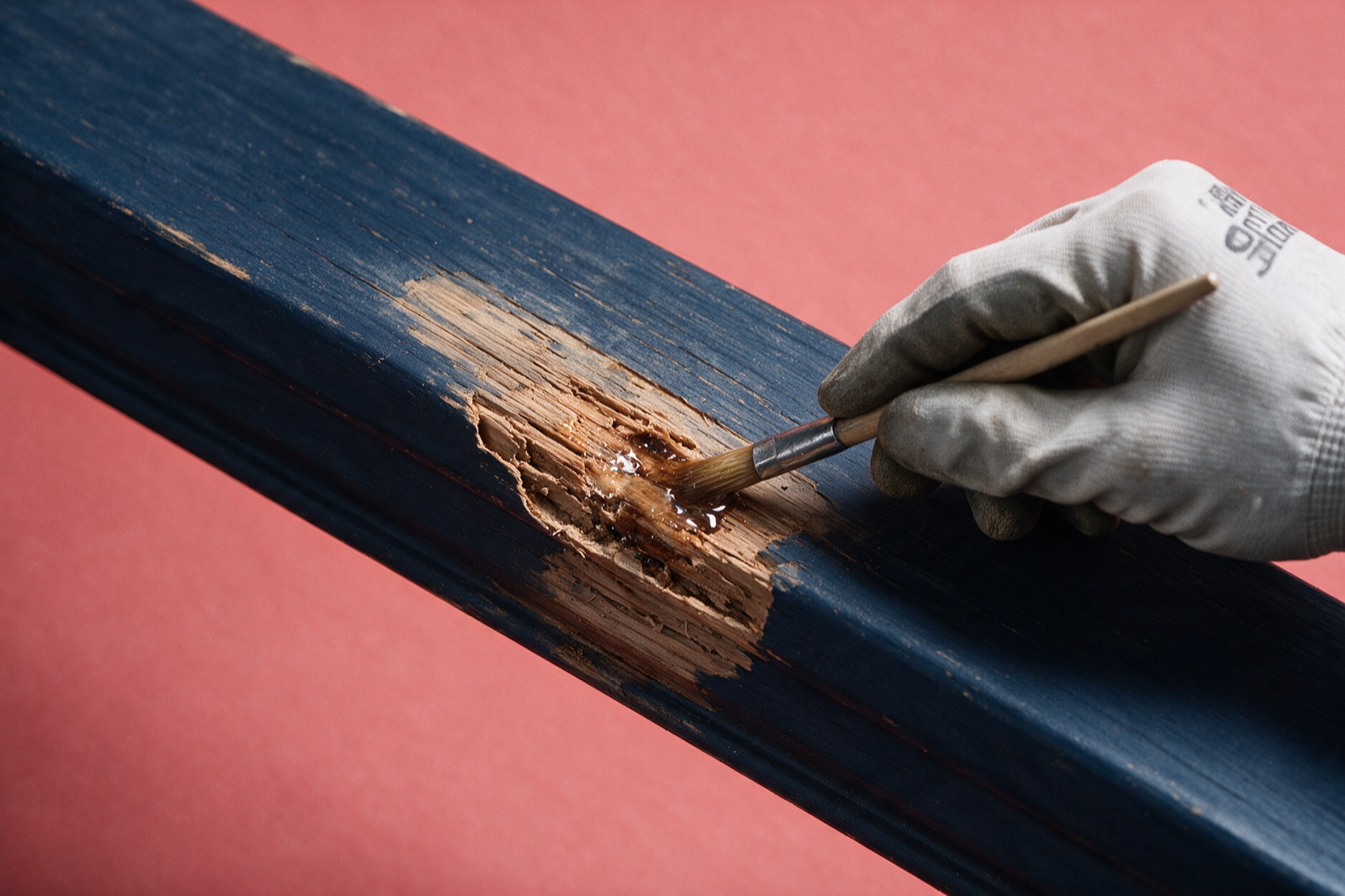
Repair is generally the right call when the rot is confined to a corner, edge, or the outer wood layers, with sound material still present through the sill’s core, and a moisture reading confirms the surrounding wood is within a safe range once any water source is corrected. Epoxy consolidation and matched filler handle this well, and it’s a genuinely conservative choice on character homes where matching an original sill profile matters.
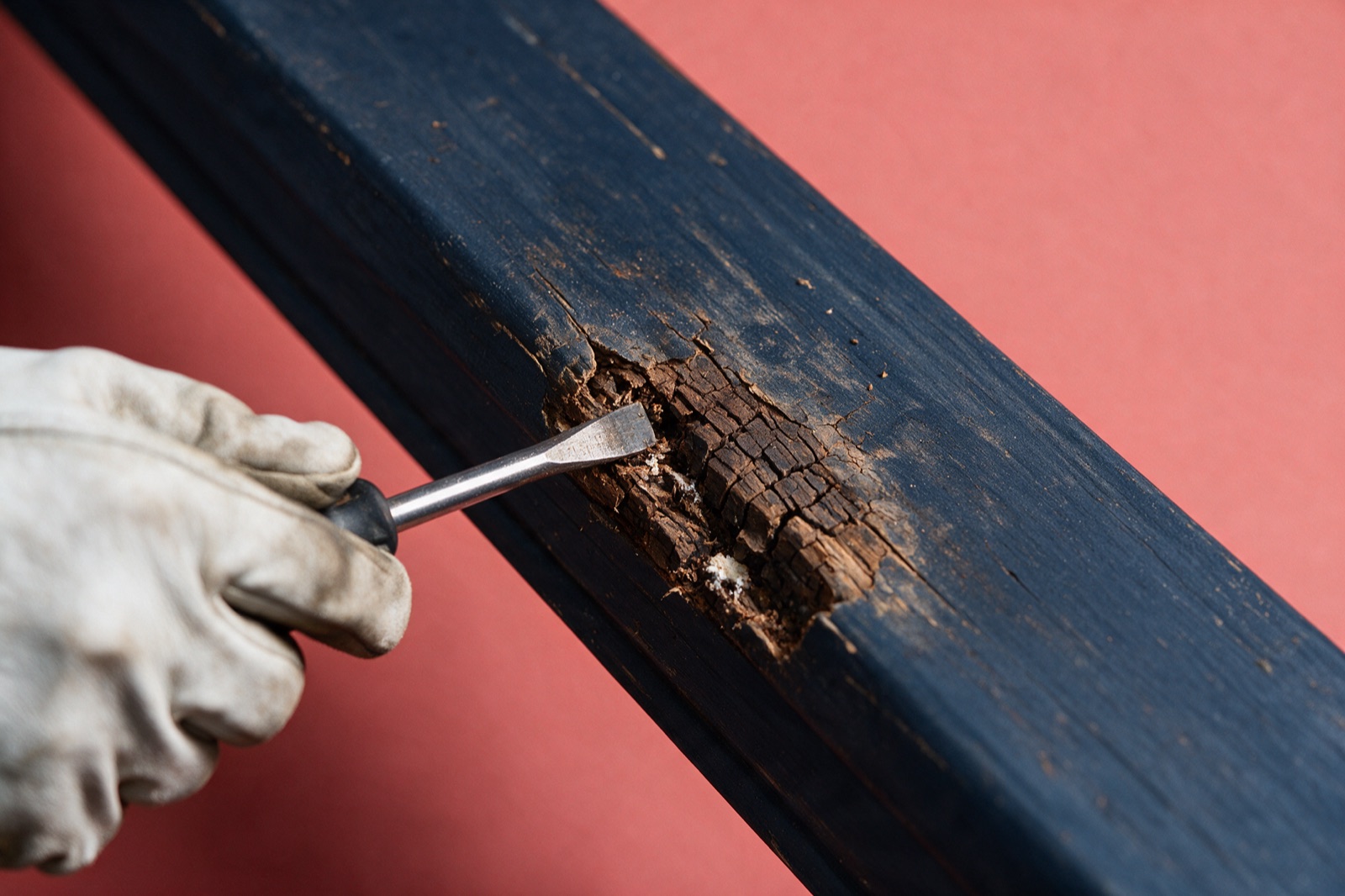
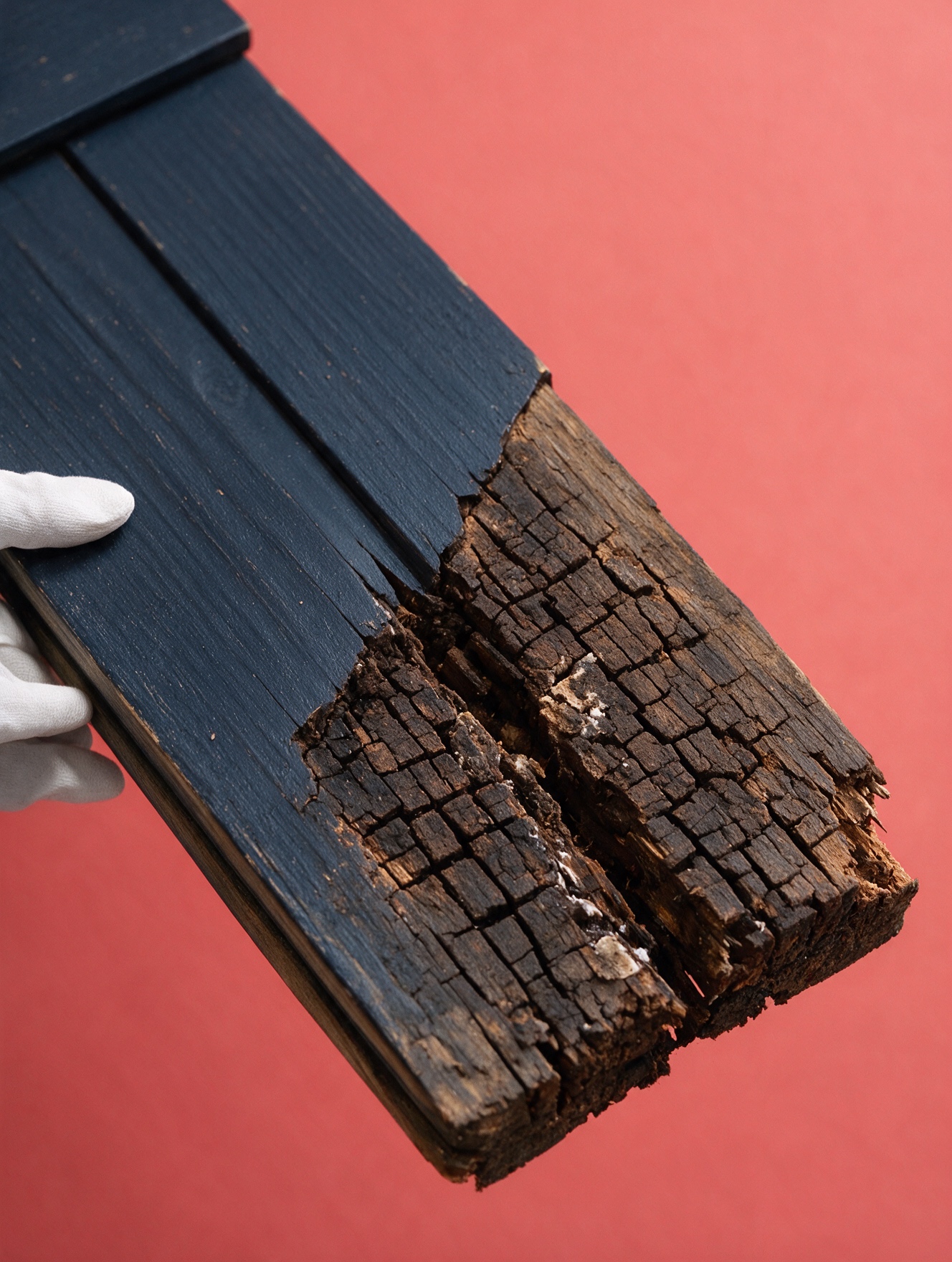
Replacement becomes necessary when decay has penetrated the full thickness of the sill, spans a significant portion of its length, or has reached the window frame or jambs behind it. A sill that keeps failing after a prior repair usually points to an unresolved moisture source, not to a poorly done repair.
For the broader decision framework that applies beyond sills specifically, see our guide on repair vs. replace wood rot.
What “Done Right” Actually Requires
Whether it’s a repair or a full replacement, a handful of details determine whether a sill lasts years or fails again within a season or two. This is worth understanding even if you’re hiring the work out, since it’s exactly what separates a lasting repair from one that just looks finished.
A real waterproof barrier at the opening, not just new wood sitting in the same spot the old one failed. Flashing at the base of the opening is what actually keeps water from tracking behind the new sill, regardless of how well the visible wood is finished.
Correct outward slope, checked, not assumed. A sill installed flat or nearly flat will pool water again no matter what material it’s made from.
A complete seal at every joint, where the sill meets the frame, the jambs, and the siding below. This seam is doing as much work as the wood itself.
Full end-grain coverage on the finish coat. End grain absorbs moisture far faster than a flat wood surface, and it’s the single most common spot where a paint or sealant job gets rushed and the first place a new sill fails as a result.
Materials Worth Choosing Deliberately
A significant share of sill rot in Vancouver traces back to one recurring pattern: unsealed pine that wicks moisture upward or absorbs it directly, then fails again in the same spot regardless of how many times it’s repainted. Where that pattern applies, PVC or cellular PVC sill stock is a genuinely better long-term choice, since it doesn’t absorb moisture. Naturally rot-resistant species like cedar remain a reasonable choice too, provided the sealing and slope details above are done properly, since no wood species can overcome poor water management on its own.
A Note on DIY
A small, contained sill repair is one of the more accessible wood-rot jobs for a confident DIYer, provided the moisture source has been genuinely addressed first. Where DIY attempts on sills most often fall short isn’t the visible repair itself, it’s the details above: flashing, slope, and complete end-grain sealing, the parts nobody sees once the paint goes on, and the parts that determine whether it actually lasts. For the fuller picture on when DIY makes sense and when it doesn’t, see our guide on DIY vs. professional wood rot repair.
Not sure whether your sill needs a repair or a full replacement?
For the full breakdown of sill, frame, and glazing failure points, see our dedicated Windowsill Wood Rot Repair page.
Sources: Environment and Climate Change Canada, Canadian Climate Normals; Canada Mortgage and Housing Corporation (CMHC), Guidelines for On-Site Measurement of Moisture in Wood Building Materials; BC Ministry of Agriculture and Food, Subterranean Termites documentation.