Wood Rot Found on a Home Inspection Report in Vancouver: What It Actually Means
By STOP THE ROT CO.

An inspection report flagging wood rot, or “moisture noted, recommend further evaluation,” isn’t a verdict. It’s a referral. Understanding wood rot on a home inspection report starts with understanding what a BC home inspector is actually required to do, and what they’re not.
Why BC Inspectors Flag It Rather Than Diagnose It
BC was the first Canadian jurisdiction to require mandatory licensing for home inspectors, regulated by Consumer Protection BC under the Business Practices and Consumer Protection Act. Under the province’s Home Inspector Licensing Regulation, a compliant report must give an opinion on the condition of each inspected item, identify anything the inspector recommends the consumer get expert advice on, and specify what the inspection did not cover. That middle requirement is the key one here. When “recommend evaluation” appears next to a wood rot finding, the inspector isn’t being vague, they’re doing exactly what the regulation asks of them: flagging a condition and referring it onward, not scoping it.
A visual inspection, even one that includes a moisture-meter reading at the surface, generally can’t determine how far decay extends beyond what’s visible, whether it’s reached structural framing, or what repair the finding actually requires. That’s a different kind of assessment, done by someone who repairs wood rot for a living, not a generalist covering an entire home’s systems in a few hours.
How Serious Is It? It Depends Where It Is
Not every wood rot finding carries the same weight. Location matters more than the fact that rot was found at all.
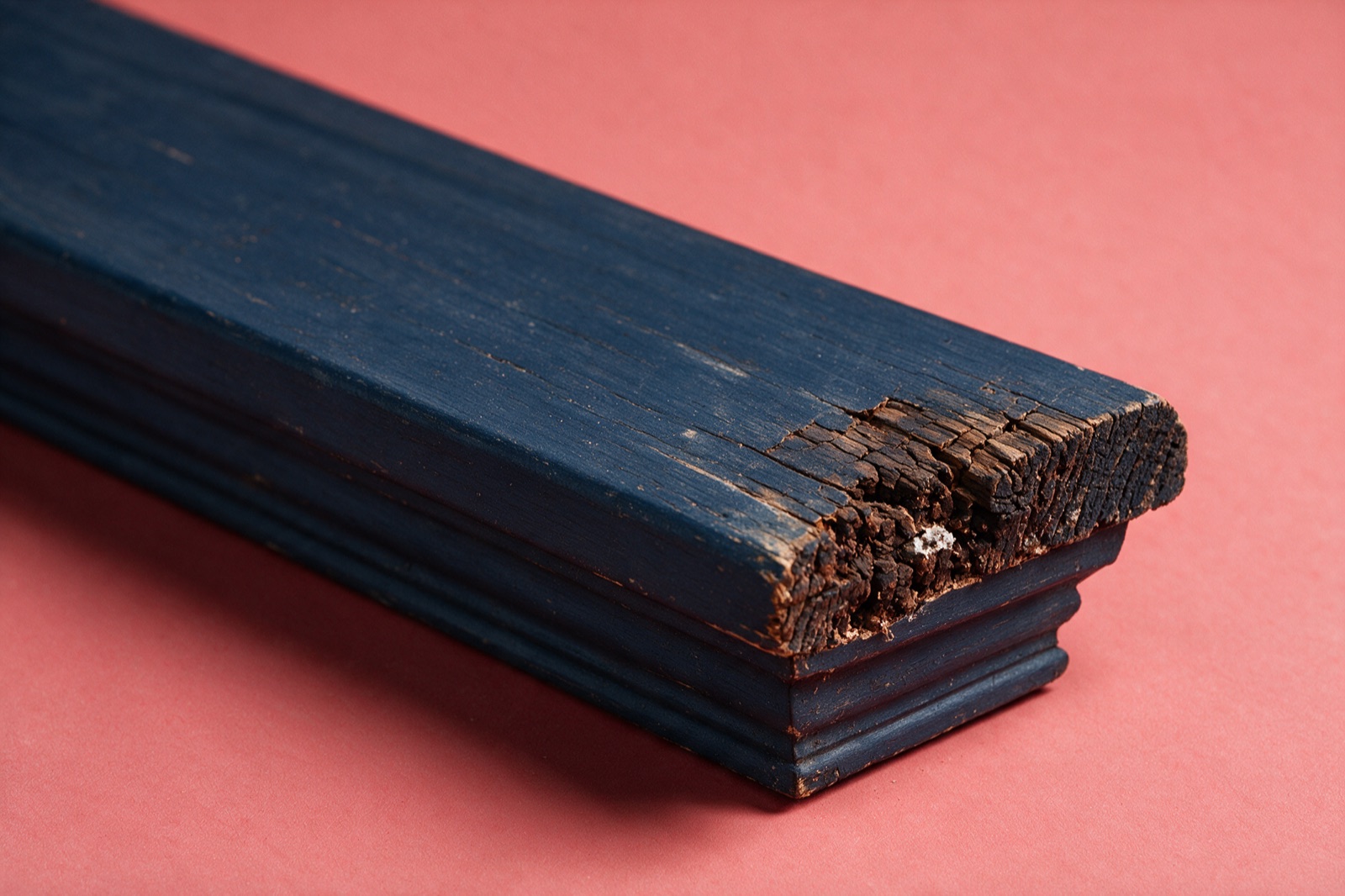
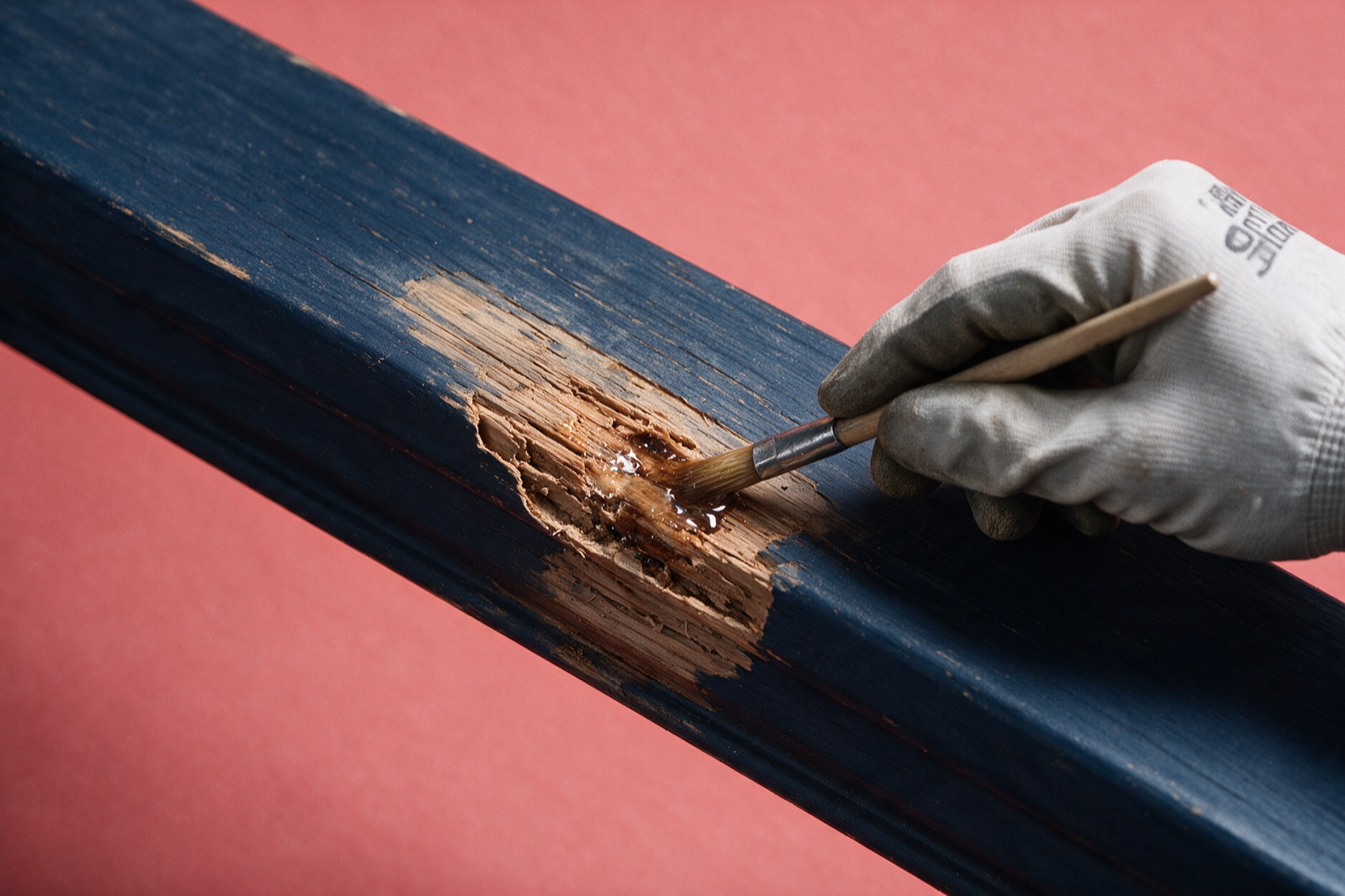
Finish-level: windowsills, brickmold, door trim, fascia, soffits. These protect the structure behind them but aren’t themselves structural. A finding here is generally well-contained and often addressed with epoxy consolidation, which also happens to preserve original trim profiles, relevant on Vancouver’s many character homes where matching original millwork matters.
Deck and porch framing: boards, railings, joists, posts, ledger. Severity ranges widely here. Soft deck boards are a straightforward repair item. A soft ledger board, where the deck bolts to the house, is a different concern entirely, since rot there can involve the house’s own rim joist behind it.
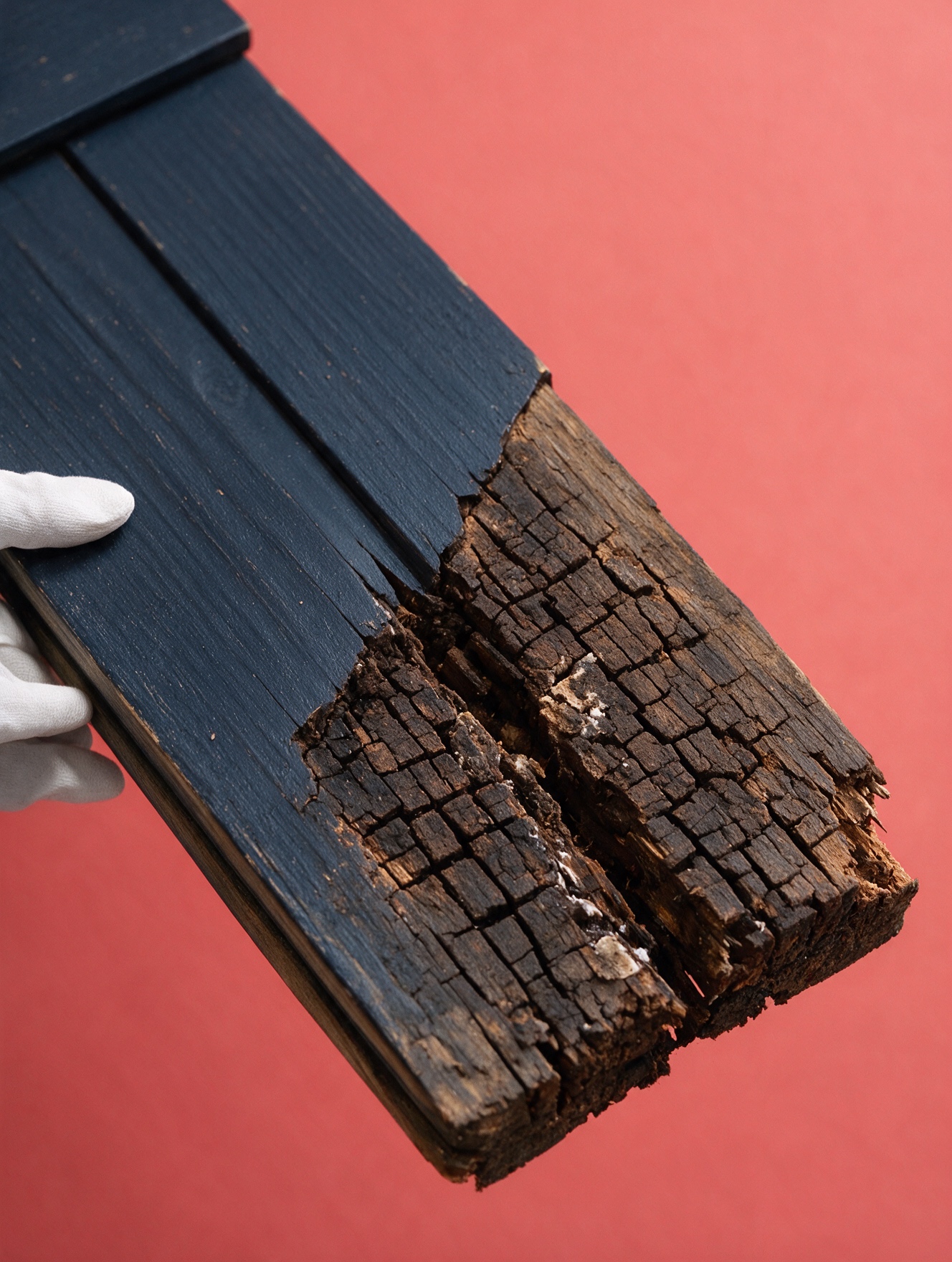
Sill plate, rim joist, and subfloor. This is the category where “how far does it go” matters most. These are continuous, load-bearing members, and rot can develop here for years without exterior signs, particularly in Vancouver’s older homes with crawl space foundations. A specialist assessment isn’t optional here, it’s the only way to know whether you’re looking at a contained repair or something more involved.
What Buyers Should Do
Most BC purchase agreements include a subject-to-inspection clause, giving the buyer a defined window to complete their due diligence before the offer becomes firm. If a wood rot finding shows up during that window, a specialist assessment, not just the inspector’s report, is what actually tells you what you’re dealing with.
From there, the common paths are similar to any negotiated home defect: request the seller complete repairs, request a price adjustment or credit to cover it yourself with a specialist of your own choosing, or, if the finding is structural and the extent is unclear, hold off on removing your subject clause until you have a fuller picture. Real estate contract customs vary, and this isn’t legal advice, so it’s worth asking your realtor how similar findings are typically handled in current Vancouver transactions.
What Sellers Should Do
Addressing a known rot issue before listing, with a documented, written assessment in hand, is generally a stronger position than discovering it mid-transaction. A dated report also demonstrates good-faith disclosure, which matters both practically and, depending on the situation, for your own protection in the transaction.
Getting a Specialist Assessment
A specialist evaluation serves a different purpose than the home inspection itself. The inspector identified that something warrants attention. The specialist determines what it actually is: the extent of the decay, whether adjacent wood is involved, and what repair or replacement it requires, backed by an actual moisture-meter reading rather than a visual impression. Our free wood rot inspection in Vancouver covers exactly this, with a written report and quote within 48 hours, useful whether you’re mid-transaction or just want documentation for your own records.
A Quick Note on Insurance
Wood rot found this way is generally treated the same as any other rot finding for insurance purposes, typically not covered, since standard policies are built around sudden, accidental damage rather than gradual deterioration. For the full breakdown, see our Insurance Claims Guide.
Have a finding you need assessed before a deadline?
If a report flagged something and you’re not sure how serious it is, our Is It Wood Rot? guide walks through what to check next.
Sources: Consumer Protection BC, Home Inspections licensing information; Home Inspector Licensing Regulation, BC Laws; Canada Mortgage and Housing Corporation (CMHC), Guidelines for On-Site Measurement of Moisture in Wood Building Materials; Canadian Wood Council, durability and decay research; Insurance Bureau of Canada, home insurance coverage guidance.