Repair vs. Replace Wood Rot: How the Decision Actually Gets Made
By STOP THE ROT CO.
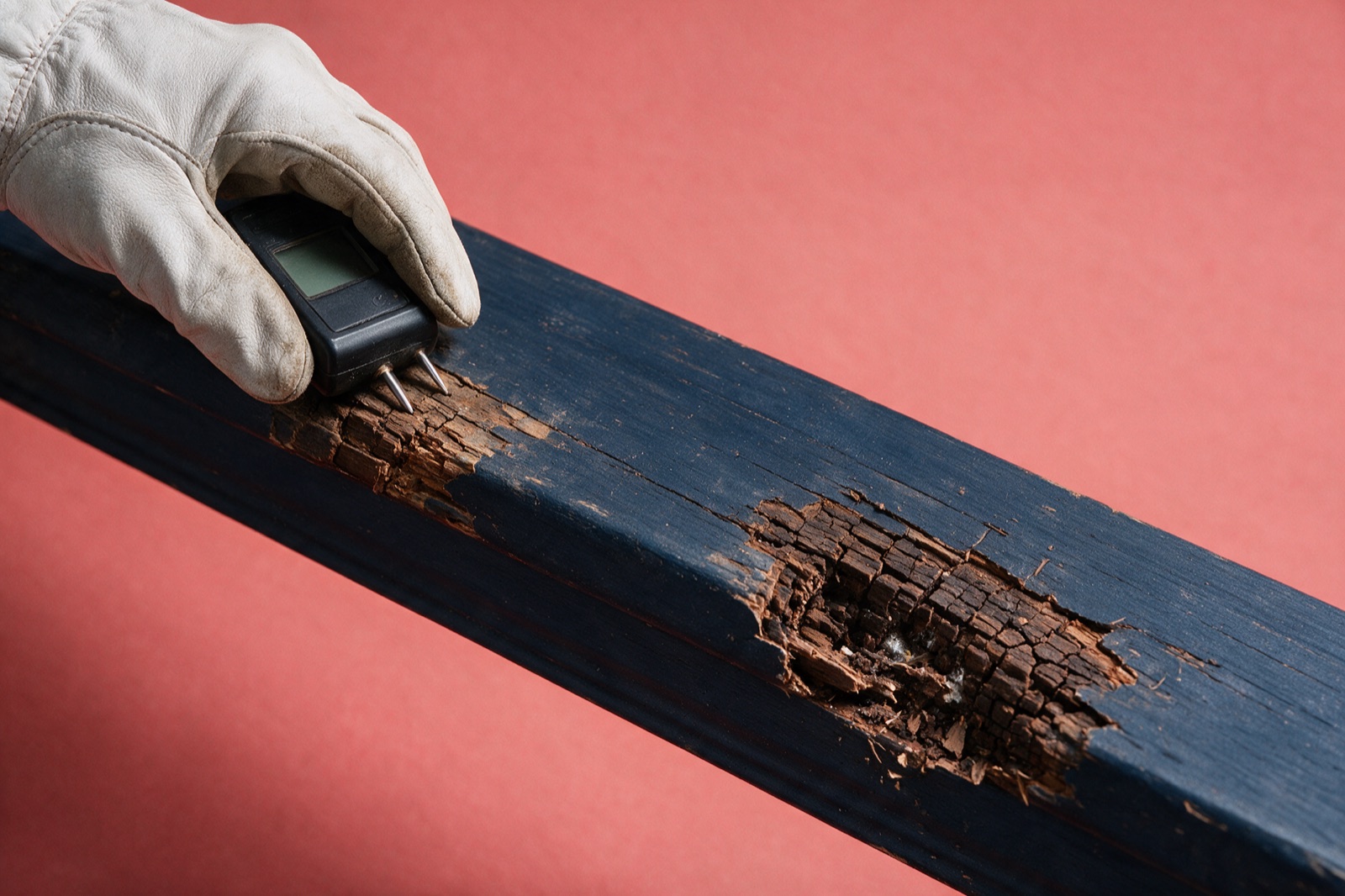
Ask five different people about repair vs replace wood rot and you’ll often get five different answers, some pushing hard toward full replacement, others insisting everything can be saved with enough epoxy. Neither extreme is honest. The right answer depends entirely on how far the decay has progressed, not on which option is easier to sell or easier to do yourself.
Why “Always One or the Other” Is the Wrong Framing
A contractor who defaults to full replacement on every job has an obvious incentive to do so, it’s a bigger job. A homeowner who defaults to patching everything with filler has the opposite bias, it’s cheaper and faster in the moment. Both instincts skip the actual question: what does the wood, and the moisture inside it, actually show.
What Actually Determines the Answer
Two things matter more than anything else: how far the decay extends, and what the wood underneath and around it is doing.
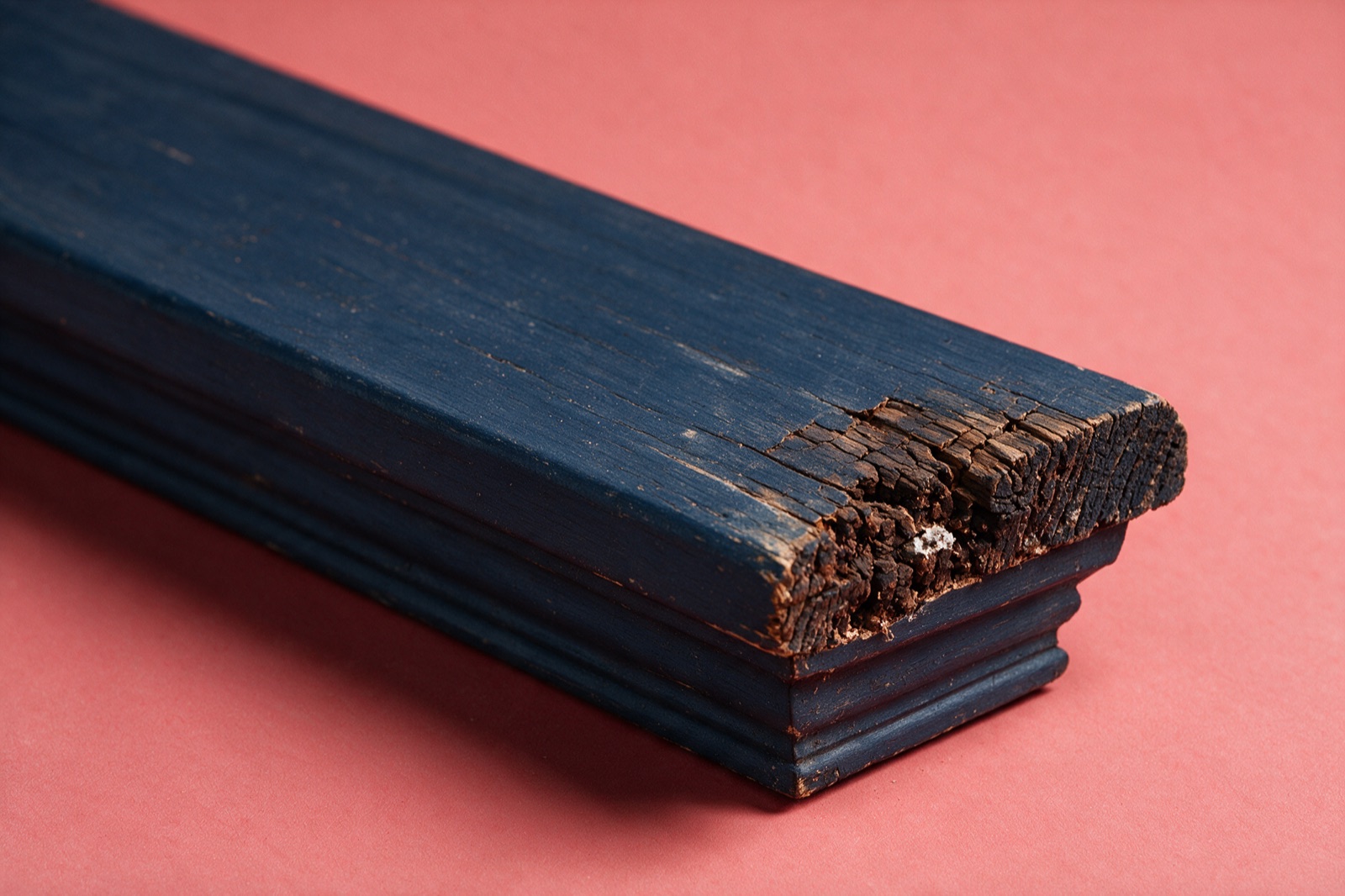
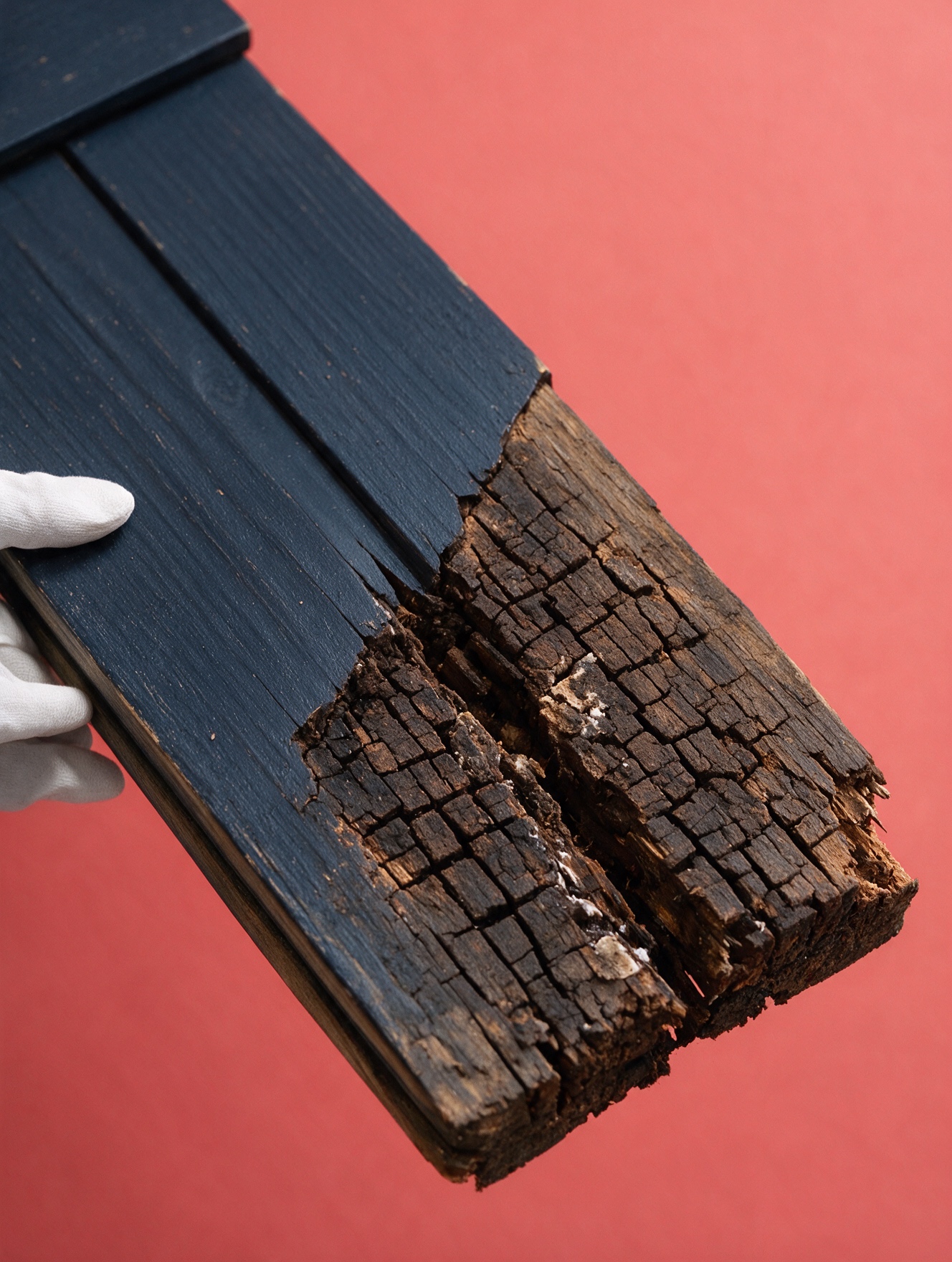
The extent of the damage. Surface-level or trim-level rot, contained to a specific section with sound wood still present around it, is a different situation than decay that’s reached load-bearing wood or spread through the full cross-section of a piece.
A moisture-meter reading, not a guess. According to CMHC’s guidelines for on-site wood moisture measurement, wood is generally considered low-risk under roughly 19 to 20 percent moisture content, with active decay likely underway past roughly 28 to 30 percent, the fiber saturation point. A reading tells you whether the wood around a repair is dry enough to hold one, or still actively decaying, which a visual inspection alone can’t reliably answer.
Whether the piece is structural. A windowsill and a deck ledger board can show similar-looking surface damage, but one carries no load and the other holds up part of your house. The margin for error is not the same.
When Repair Is Usually the Right Call
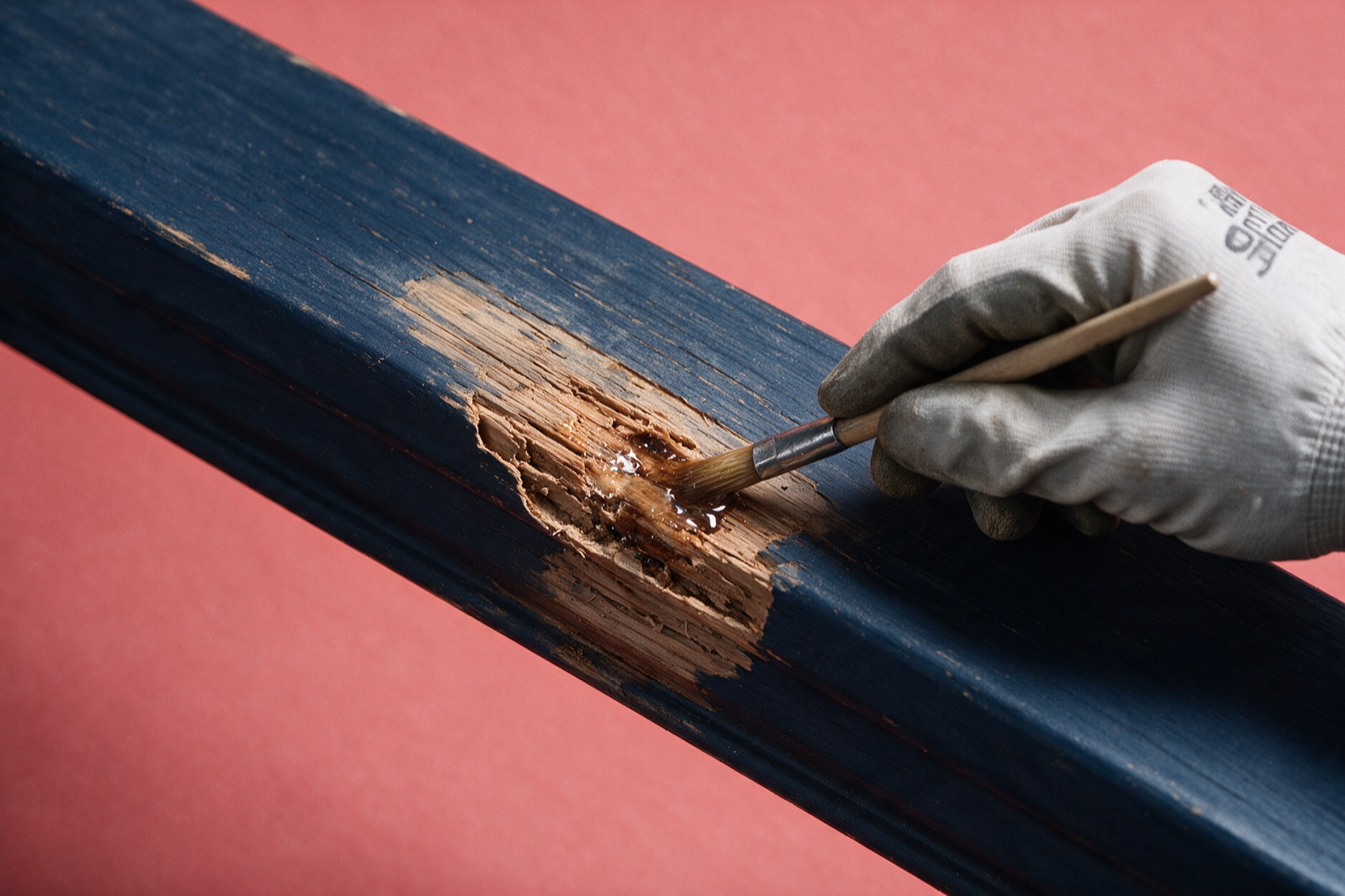
Epoxy consolidation, sometimes paired with a matching filler, works by penetrating and hardening compromised wood fibers, then rebuilding the missing material.
This is generally viable when:
~The rot is contained to a surface or trim element, not a structural member Sound wood remains around and beneath the affected area
~ A moisture reading confirms the surrounding wood is within a safe range, or will be once the water source is corrected
~ Repair is often the more conservative choice, in the literal sense, it removes less original material than a full replacement would, which matters particularly on character homes where matching original trim profiles and materials is part of the job.
When Replacement Becomes Necessary
Replacement is the right call, not a fallback, when:
~Decay has reached joists, sill plates, ledgers, or other load-bearing framing
~ A moisture reading shows sustained saturation deep enough that a repair would be a temporary patch rather than a durable fix
~ The wood has lost enough structural integrity that no amount of consolidation restores it safely
~ There’s a real cost to under-scoping this decision. A repair applied where replacement was actually needed doesn’t just fail eventually, it can mask a structural problem behind a surface that looks fine, which is a worse outcome than doing nothing at all.
The One Step That Matters More Than Either Choice
Neither repair nor replacement holds if the water source that caused the rot in the first place is still active. A new piece of wood, or a freshly consolidated section, sitting in the same moisture conditions that caused the original damage, is on the same timeline the old wood was. This is why identifying and correcting the moisture source has to happen before the repair-or-replace decision is even made, not after.
How We Actually Decide
Every assessment starts with the same 20-Point Check and an actual moisture-meter reading, documented in writing. The reading, not the invoice, determines whether a piece gets repaired or replaced. We’ll tell you plainly which one your situation calls for, and why, before any work begins.
Not sure which one your situation needs?
Our own repair-or-replace calls follow this same logic, documented in detail on How We Fix It.
Sources: Canada Mortgage and Housing Corporation (CMHC), Guidelines for On-Site Measurement of Moisture in Wood Building Materials; Canadian Wood Council, durability and decay research.