Wood Rot vs. Termite Damage: How to Tell the Difference in Vancouver
By STOP THE ROT CO.
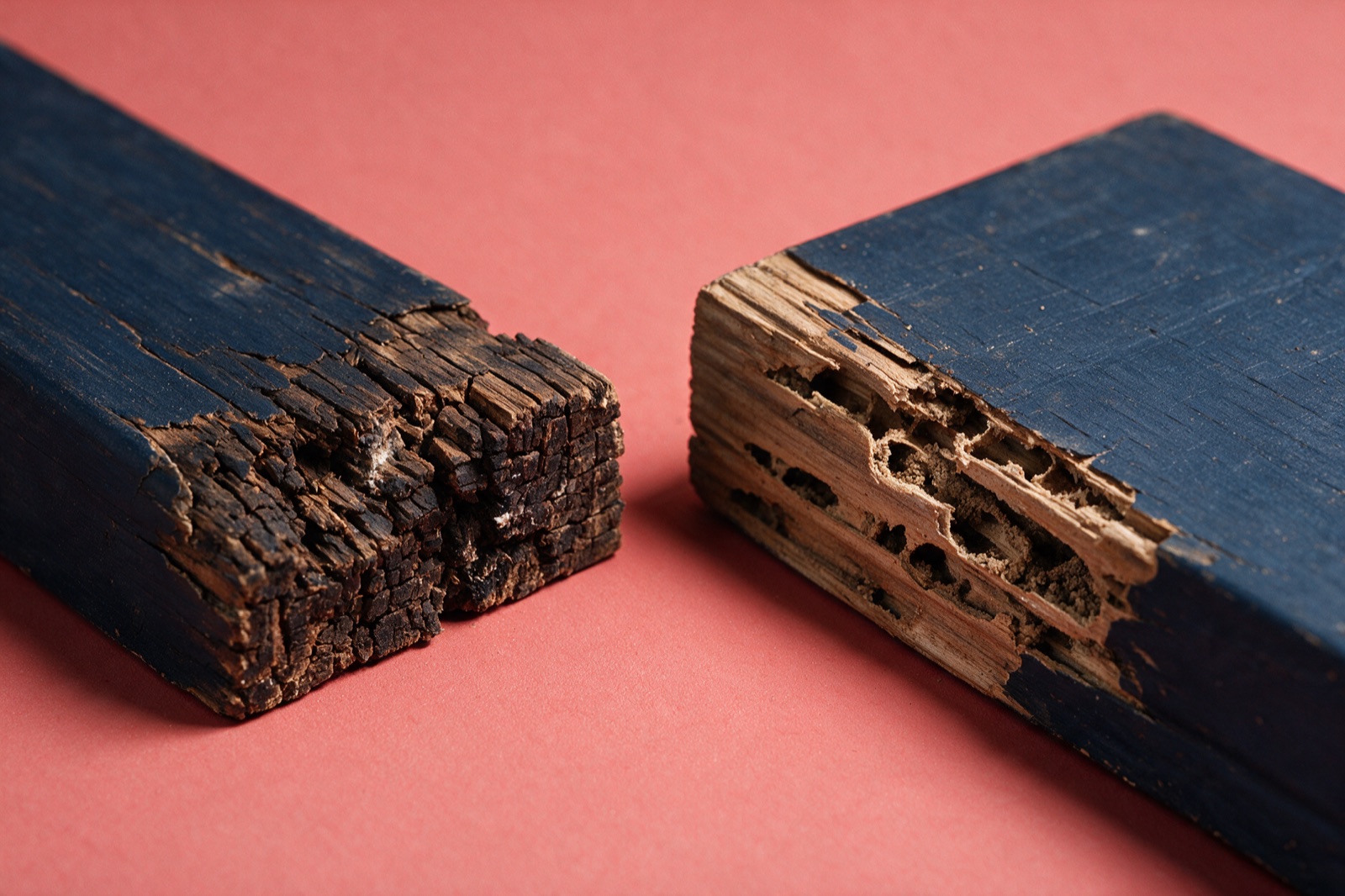
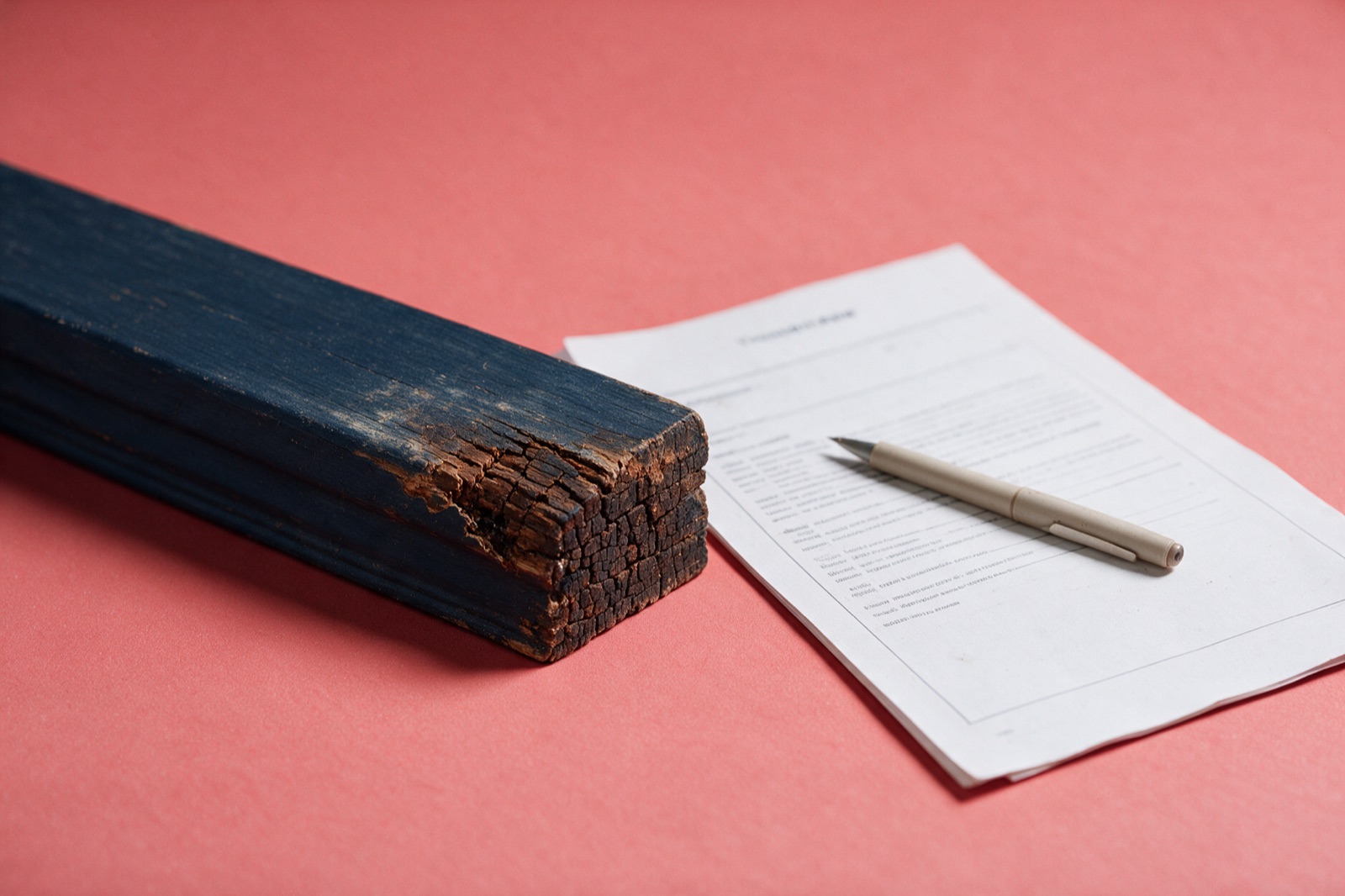
You’ve found soft, damaged wood on your home. The two most likely explanations, wood rot vs termite damage, require completely different fixes, so getting the diagnosis right matters more than it might seem. One needs a moisture source found and corrected. The other needs a licensed pest control professional before any wood repair even starts.
What Wood Rot Actually Is
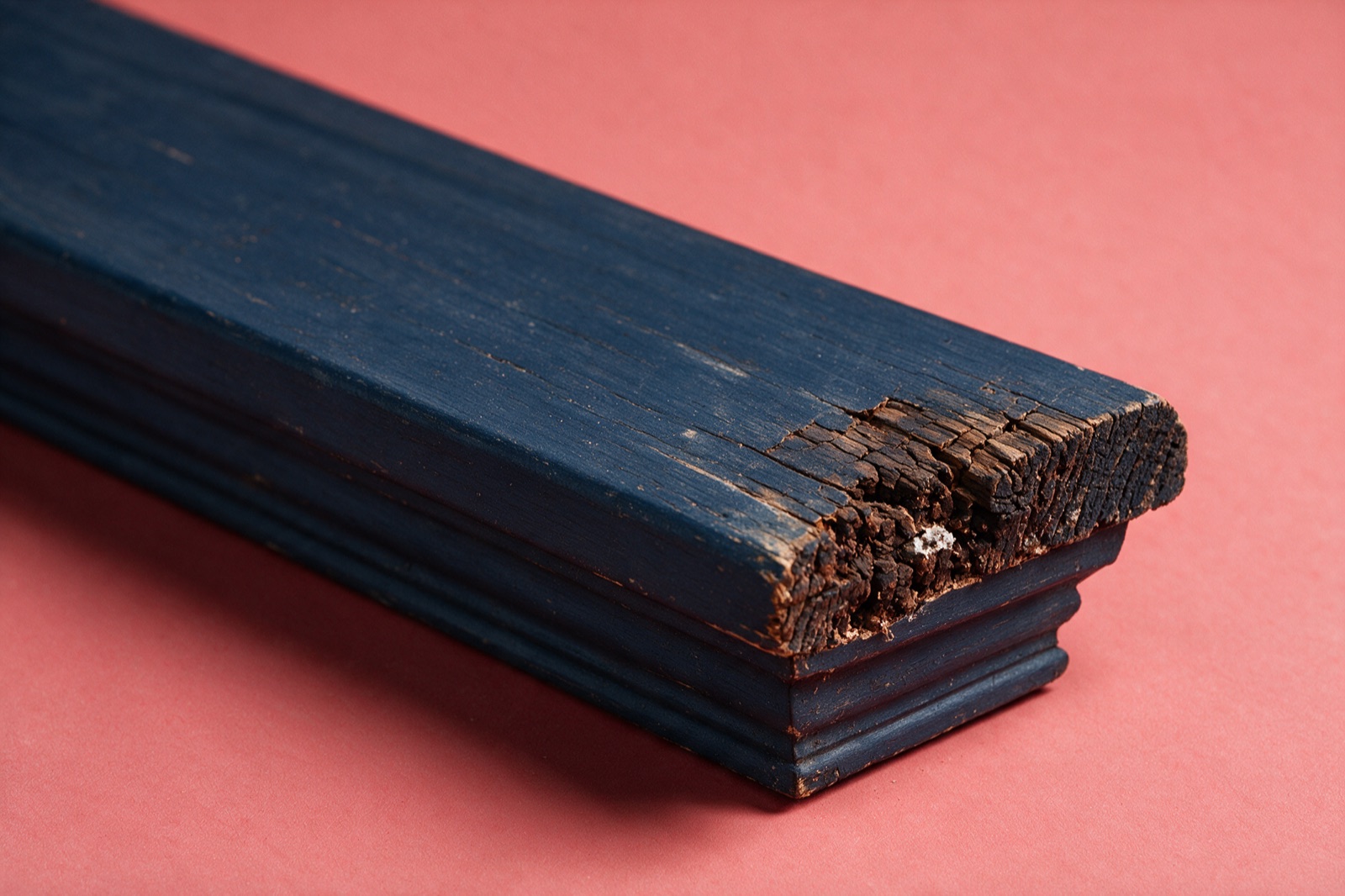
Wood rot is fungal decay, not an infestation. Microscopic fungal spores, present almost everywhere in the environment, activate once wood holds enough moisture for long enough. According to CMHC’s guidelines for on-site wood moisture measurement, that threshold sits around 19 to 20 percent moisture content, with active decay becoming likely past roughly 28 to 30 percent. For the full breakdown of what rot looks like and how to test for it, see our guide on the signs of wood rot. #Which Termites Actually Live in Vancouver This is where a lot of generic advice online gets it wrong for this region. According to The Canadian Encyclopedia, only two termite species are native to British Columbia, and they behave quite differently from each other.
The Pacific dampwood termite mainly infests wood that’s already moist or decaying. According to BC Ministry of Agriculture documentation, this species is present along the coast and on Vancouver Island. This is the more locally relevant species to understand, because it doesn’t just tolerate damp wood, it specifically seeks it out, meaning a piece of rot-softened trim or a damp deck post isn’t just a rot problem waiting to happen, it can be an active invitation for this species specifically.
The western subterranean termite is the region’s other native species and, per the same BC government documentation, is confirmed present in the City of Vancouver, on the Sunshine Coast, and on Vancouver Island. This species behaves closer to the “classic” subterranean termite most homeowners have heard about, building colonies underground and traveling up into structures. The practical takeaway: Vancouver’s climate and its two native termite species overlap with rot risk more directly than a generic “moisture attracts termites” statement suggests. Wood that’s already softening from decay is genuinely more vulnerable to one of the two species actually found here.
Telling Them Apart: What to Actually Check
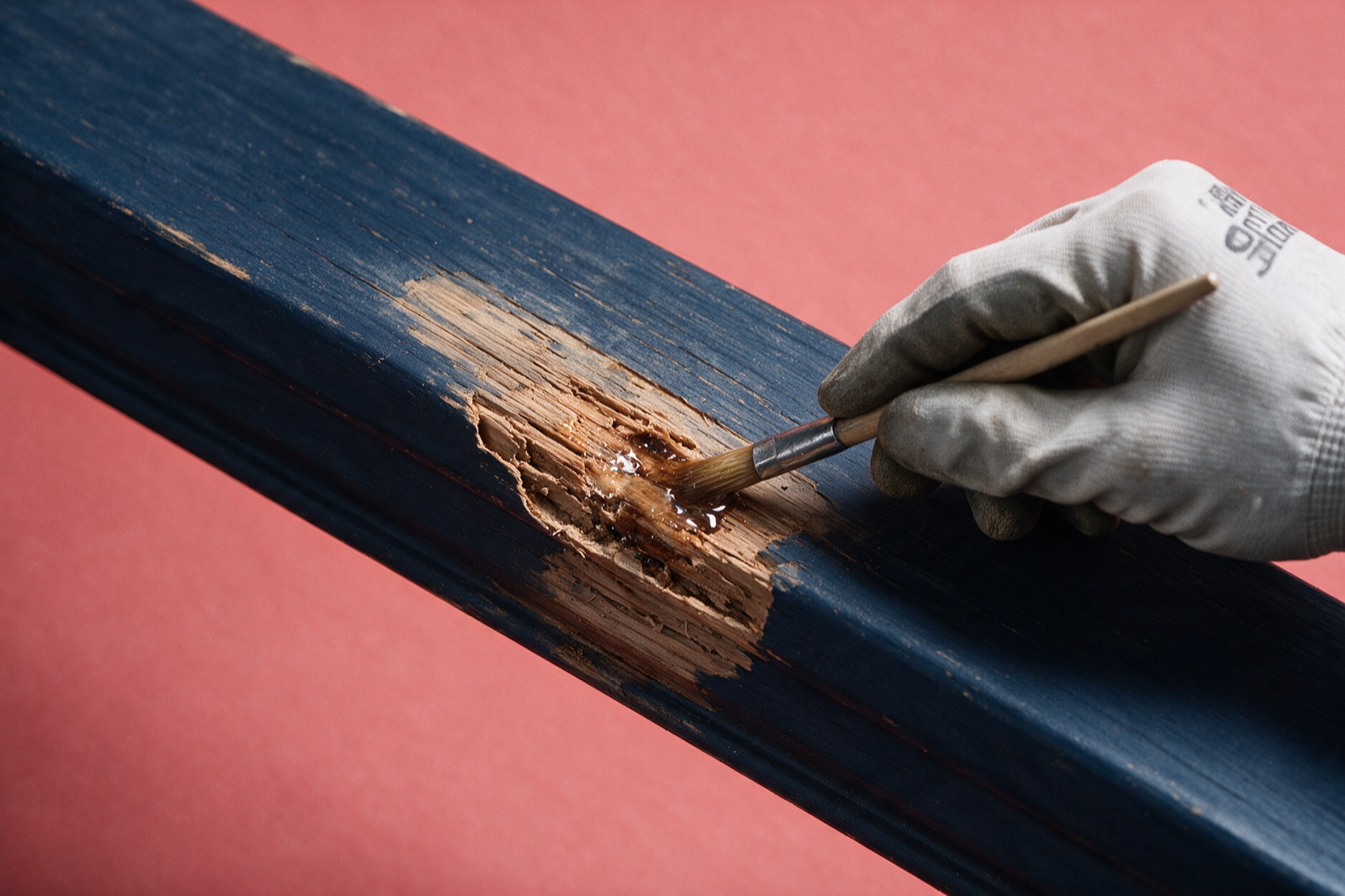
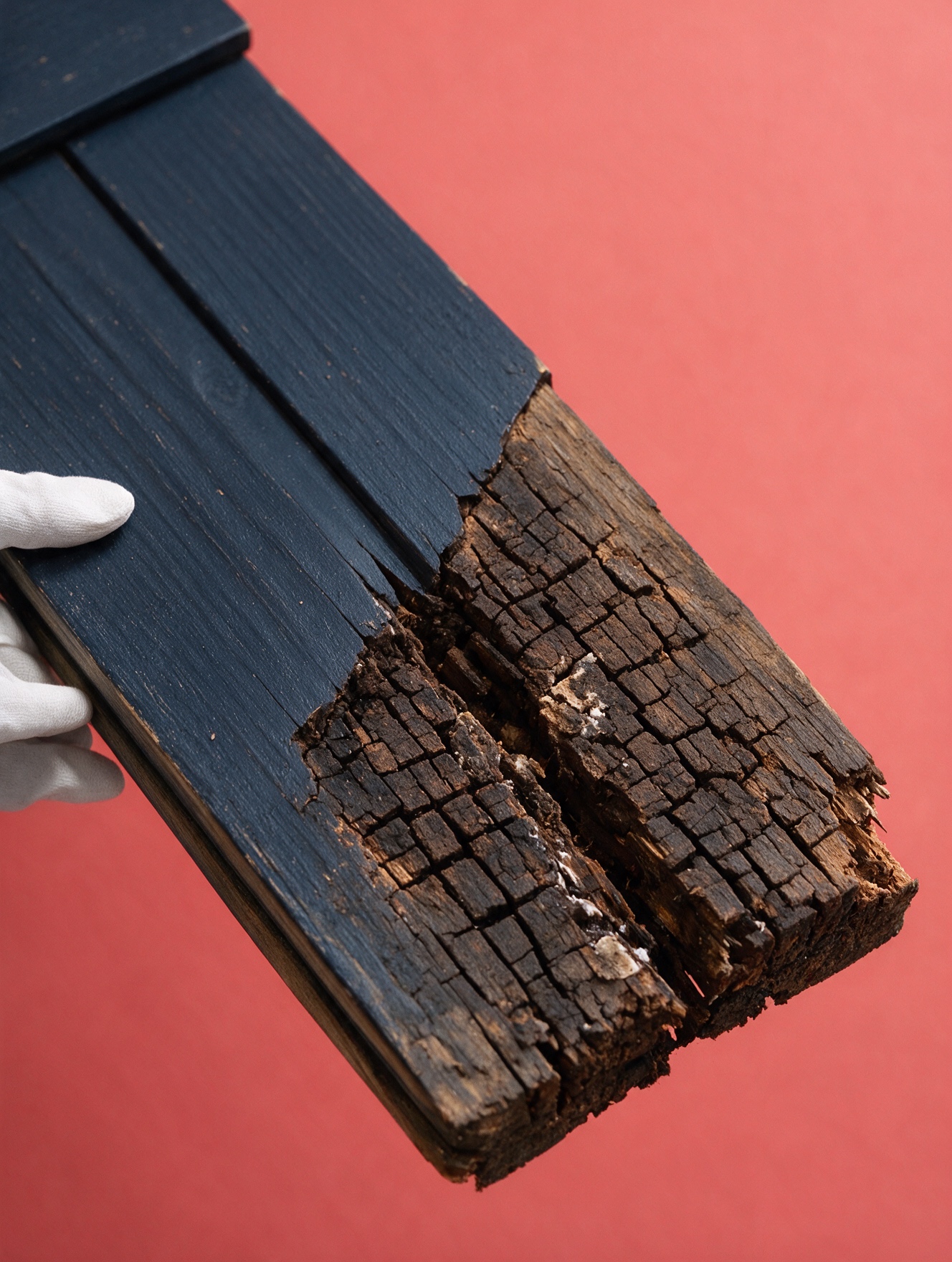
The Poke Test still works as a first pass. Press a flathead screwdriver into the wood. Rot gives way easily and generally crumbles in place. Termite-damaged wood often feels thin and papery near the surface but reveals something different once opened up.
Break open a small section, if you can do so safely. Wood rot shows uniform decay, no particular internal pattern, just broken-down fiber. Termite damage shows hollow, layered tunnels, called galleries, that follow the wood grain, often packed with mud or debris the termites bring in to keep their tunnels humid.
Smell is a genuine tell. Active rot produces a musty, earthy odor as fungi digest the wood. Termite damage is typically odorless.
Mud tubes are termite-specific, not a rot sign. Pencil-width tunnels of mud on a foundation wall, sill plate, or floor joist point to subterranean termite activity, not fungal decay.
Discarded wings after a warm evening, especially in late summer, can indicate a termite swarm. This lines up with when reproductive termites are active regionally.
Can You Have Both at Once?
Yes, and given what’s actually native to this region, it’s a genuinely reasonable thing to check for. Since one of BC’s two native termite species specifically targets wood that’s already damp or decaying, a rot problem left unaddressed isn’t just a rot problem, it can become the exact condition that species is looking for. This is part of why identifying and correcting the moisture source matters even beyond the rot repair itself.
What to Do Next
If it’s rot: the moisture source needs identifying and correcting first, then the wood itself gets repaired or replaced based on how far the decay has progressed. This is exactly what our {“free wood rot inspection vancouver”} covers, a full assessment with a documented moisture-meter reading, not a guess.
If you suspect termites: that requires a licensed pest control professional before any wood repair takes place, not a wood rot specialist. We’ll always tell you plainly if what we’re seeing looks like termite activity rather than rot, since treating one as the other doesn’t solve either problem.
If you’re not sure which you’re looking at: that uncertainty is common, and it’s exactly what a proper inspection resolves.
For a broader rundown of every early warning sign, see our full Is It Wood Rot? guide.
Sources: Canada Mortgage and Housing Corporation (CMHC), Guidelines for On-Site Measurement of Moisture in Wood Building Materials; The Canadian Encyclopedia, Termite; BC Ministry of Agriculture and Food, Subterranean Termites documentation; Environment and Climate Change Canada, Canadian Climate Normals.