Landlord Wood Rot Repair Responsibility in BC
By STOP THE ROT CO.
Landlord wood rot repair responsibility in BC comes down to a fairly clear legal standard, though the practical timeline and process depend on the situation. This is general information based on the Residential Tenancy Act and official government guidance, not legal advice, individual disputes and specific circumstances are worth discussing with a lawyer or the Residential Tenancy Branch directly.
The Core Legal Standard
Under Section 32 of BC’s Residential Tenancy Act, landlords must ensure their rental properties comply with health, housing, and safety standards required by law, and are suitable for occupation, a standard that factors in the age, character, and location of the unit. The standard tenancy agreement’s Section 10.1(a) puts it directly: the landlord must maintain the residential property in a reasonable state of decoration and repair, suitable for occupation. This duty covers the building’s structure, including floors, walls, ceilings, and windows, categories that wood rot falls squarely within.
Why Wood Rot Falls Under This Duty, Not the Tenant’s
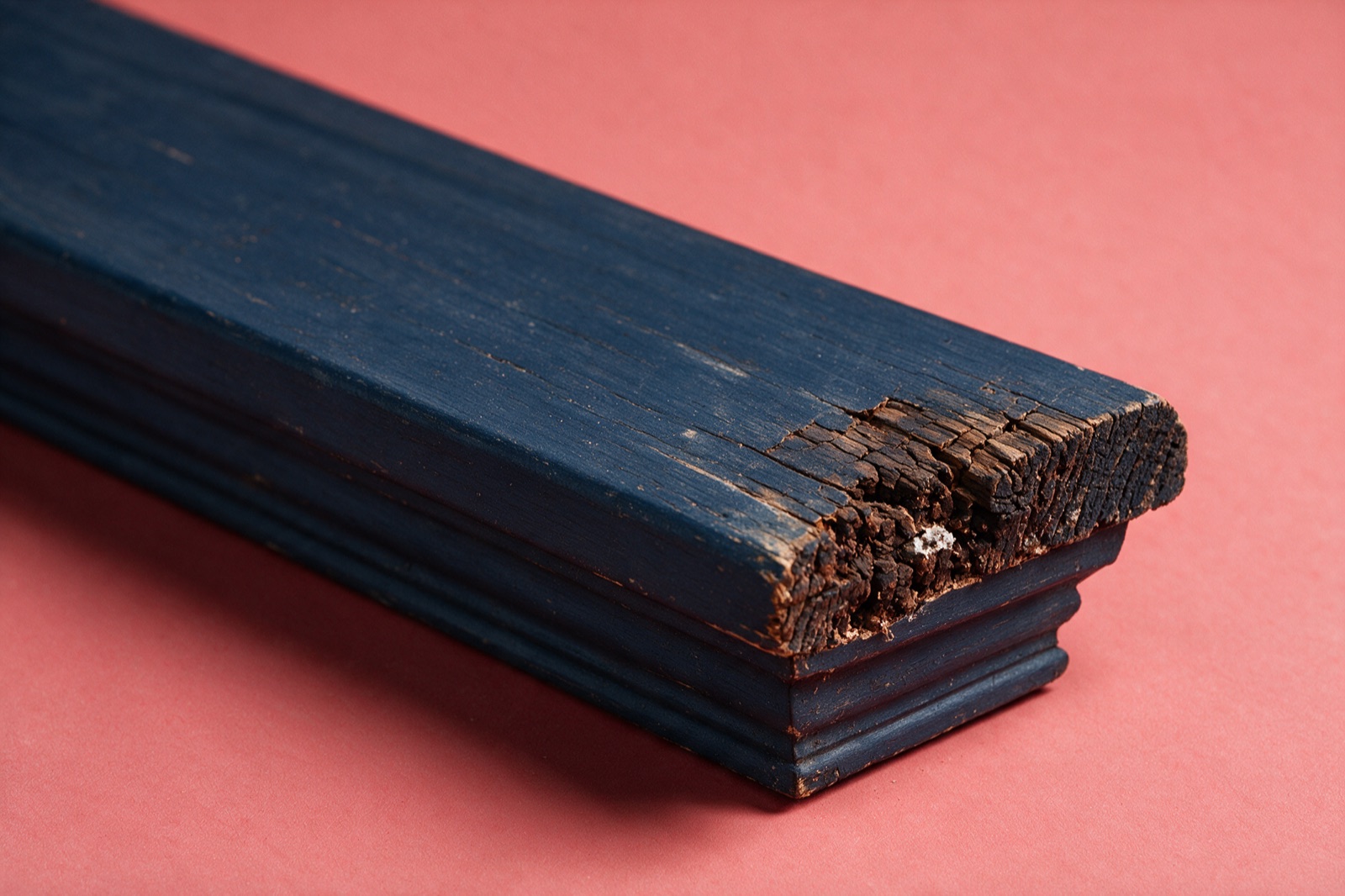
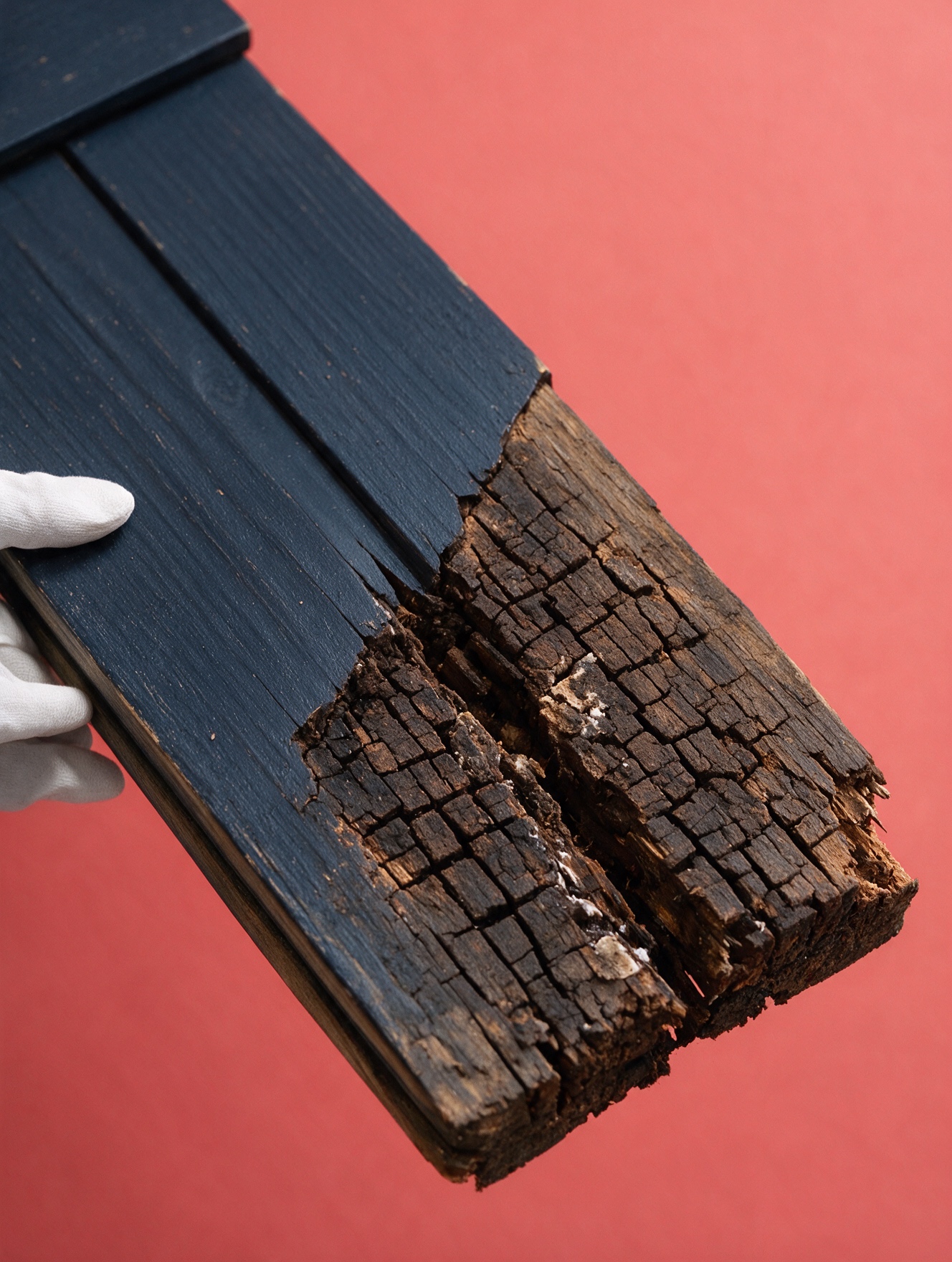
Residential Tenancy Branch Policy Guideline 1 distinguishes tenant responsibility from landlord responsibility using the concept of reasonable wear and tear, natural deterioration from aging and normal forces, which a tenant is not required to repair. Wood rot caused by climate exposure, aging construction, or a structural moisture issue is exactly this kind of natural deterioration, not damage caused by how a tenant used the unit, which places its repair squarely on the landlord’s side of the maintenance duty, not the tenant’s.
Timeline: Emergency vs. Standard Repairs
Repairs generally fall into two categories. Emergency repairs cover anything urgently needed to protect health, safety, or prevent major property damage, and would apply to wood rot only where it’s created an immediate safety hazard, a genuinely unstable deck or stair structure, for instance. Most rot findings fall under standard repair obligations instead, still a real legal duty, but without the same urgency requirement as an emergency repair.
What Happens If a Landlord Doesn’t Act
If a tenant reports a needed repair and a landlord doesn’t respond within a reasonable timeframe, the tenant can apply to the Residential Tenancy Branch for a dispute resolution order, which can require the landlord to complete repairs and, in some cases, result in a rent reduction for the period the issue went unaddressed. This process exists specifically to give tenants a formal path when informal requests don’t produce results.
Why Proactive Maintenance Is the Stronger Business Decision
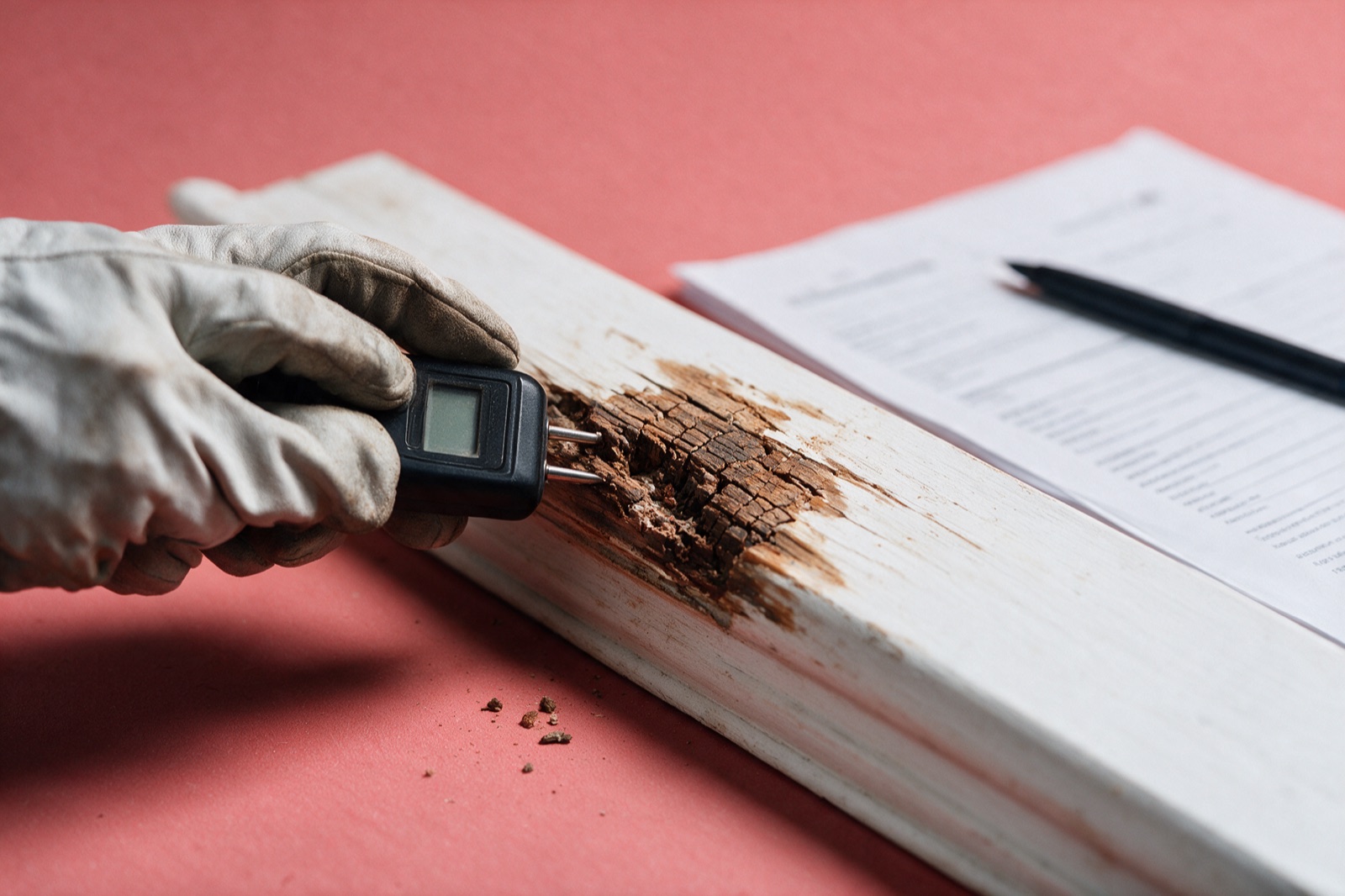
Beyond the legal obligation itself, addressing wood rot before it becomes a tenant complaint or an RTB matter is generally the better position for a landlord to be in. A documented, professionally handled repair protects the property itself, a structural issue left unaddressed only gets more expensive over time, and it avoids the time, cost, and tenant relationship strain of a formal dispute process. Regular inspection, rather than waiting for a tenant to report visible damage, catches issues while they’re still the cheaper, more contained repair.
Managing a rental property and want to get ahead of a potential issue?
Proactive inspection across a rental portfolio is easier when you already know your coverage area, see Service Area for where we work across Metro Vancouver.
Sources: Residential Tenancy Branch, BC Residential Tenancy Policy Guideline 1; Residential Tenancy Act, Section 32.