Epoxy Wood Consolidant: How It Actually Works
By STOP THE ROT CO.
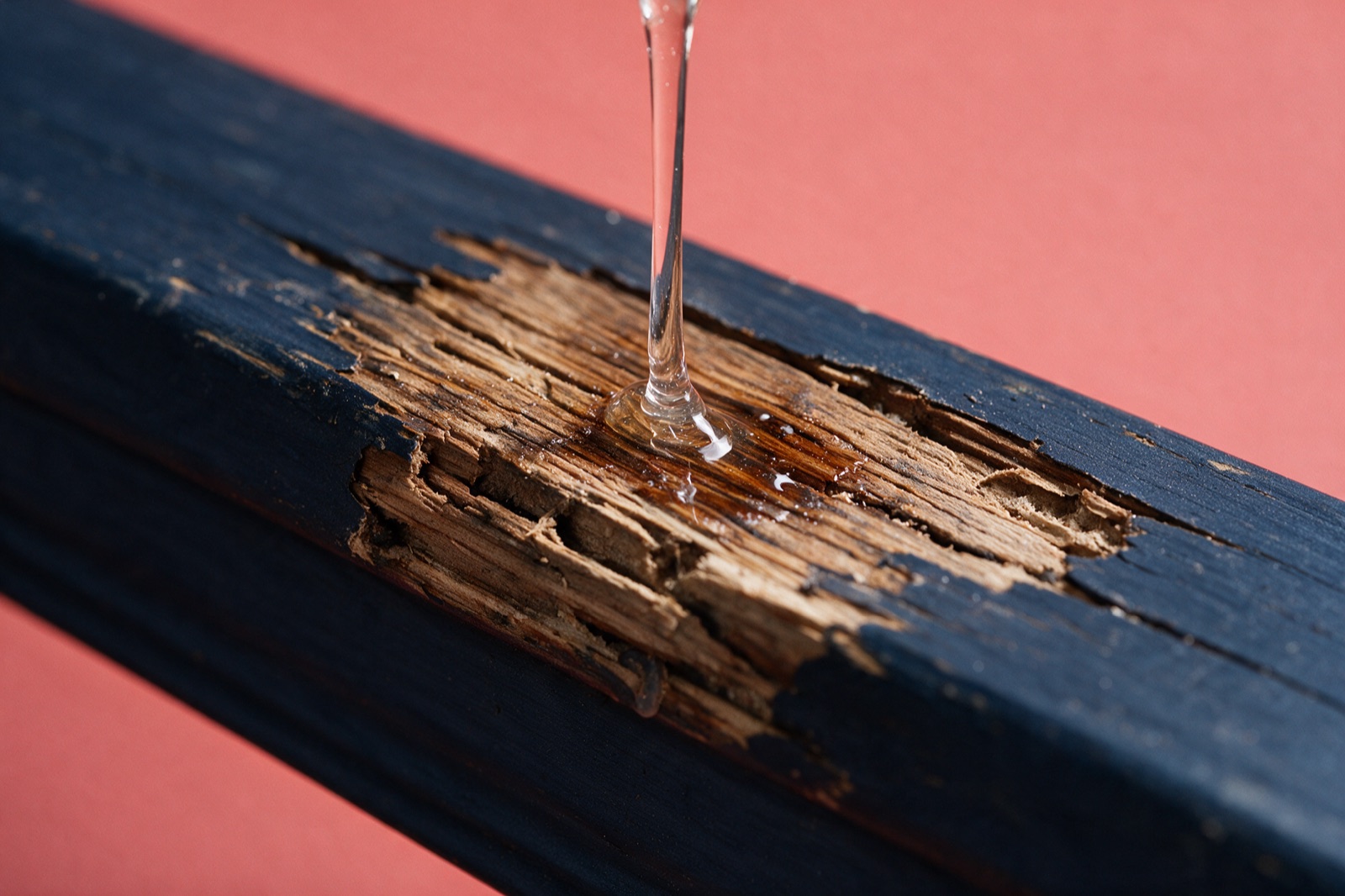
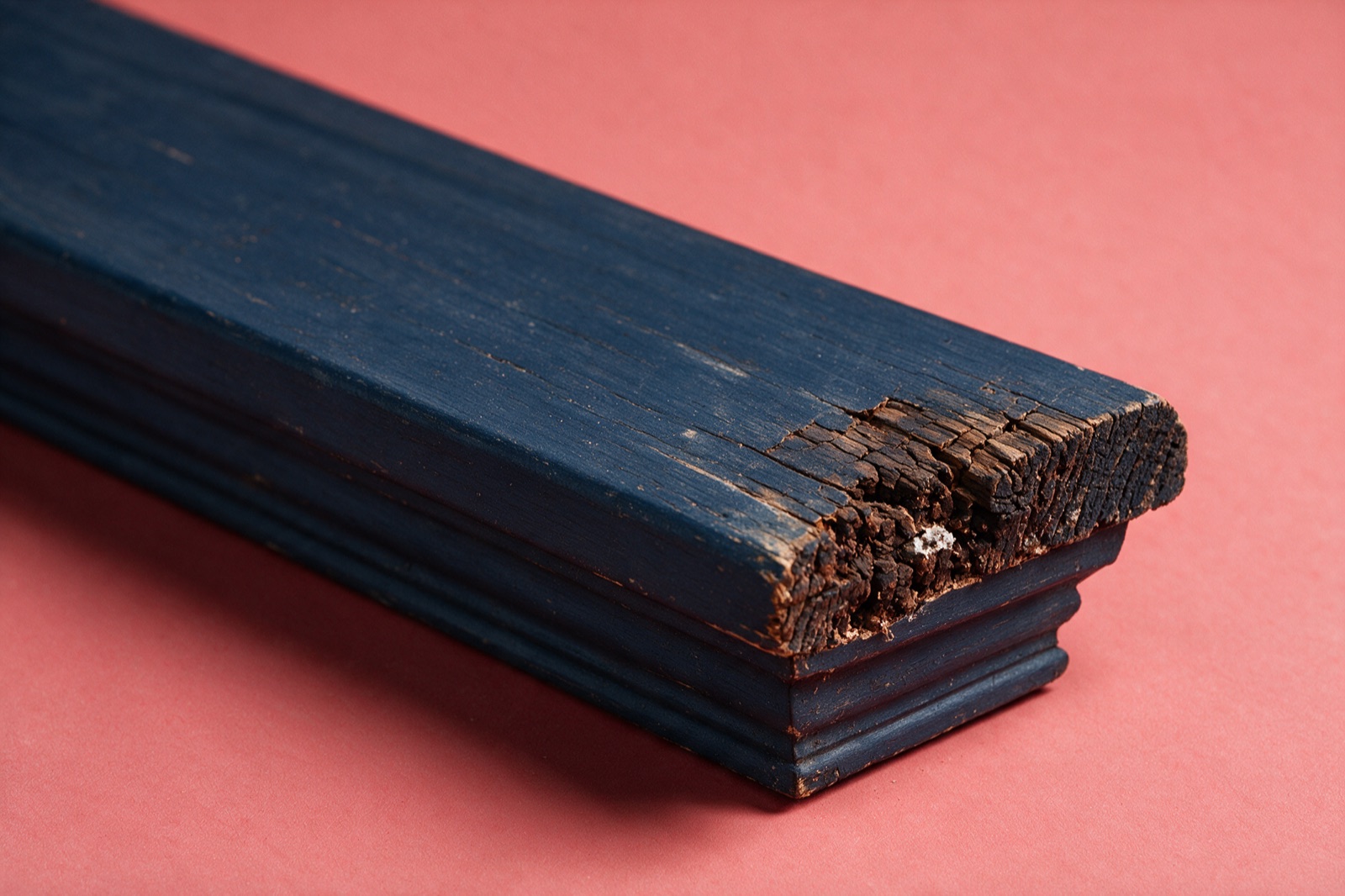
Rotted wood that’s been cleaned back to what looks like solid material often isn’t fully solid. Epoxy wood consolidant exists to solve that specific problem, and understanding how it works explains why it’s a genuine repair method rather than a cosmetic patch.
Why Rotted Wood Needs More Than Filler
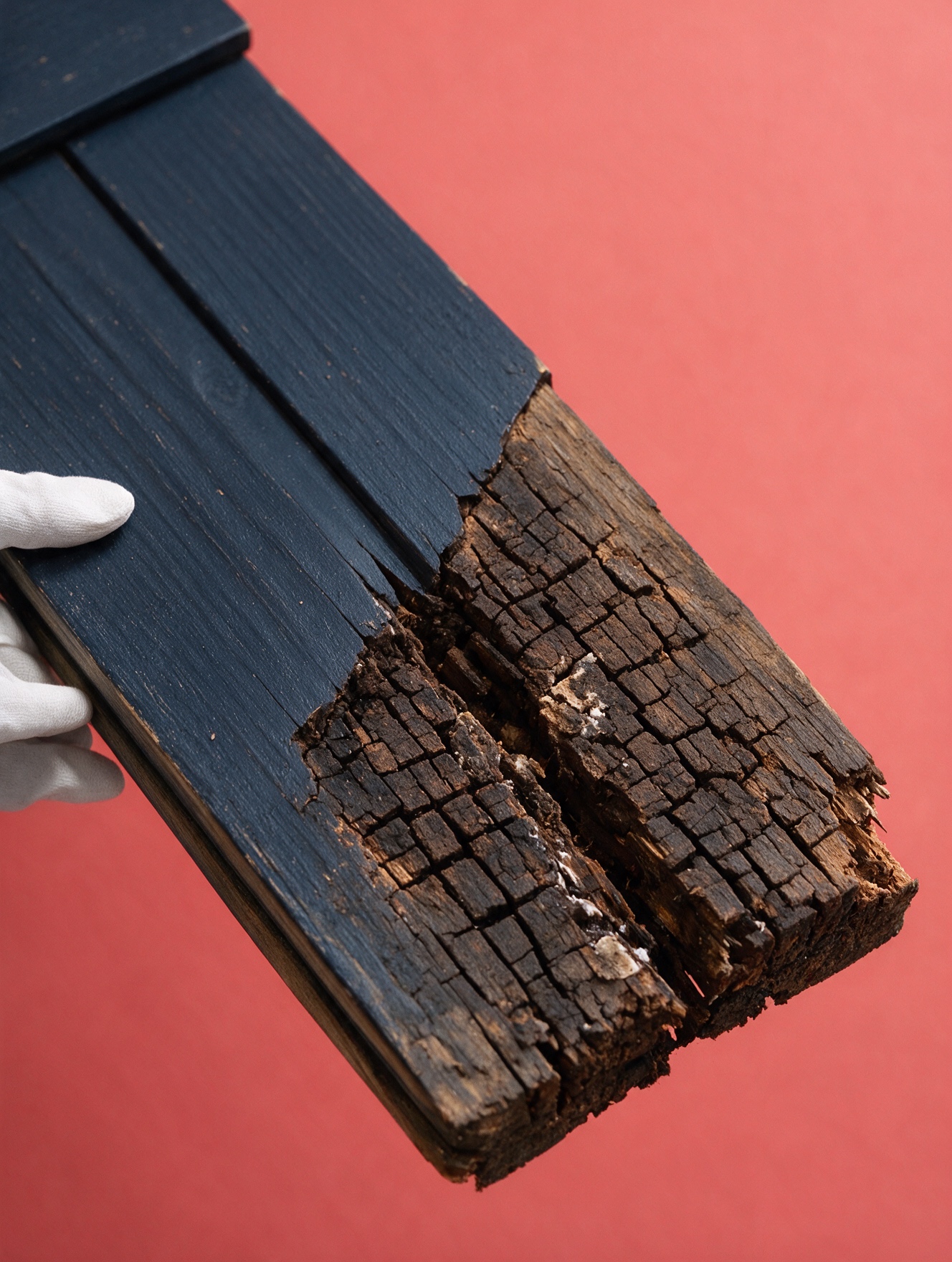
Fungal decay breaks down the cellulose and lignin that give wood its rigidity, and that breakdown doesn’t stop cleanly at the visible edge of the damage. Wood just beyond the obviously soft area is frequently still porous and weakened at a cellular level, even where it looks and feels intact on the surface. Applying a filler directly onto that compromised wood gives you a repair that looks finished but is bonded to a base that can’t actually support it. It’s the most common reason a wood-filler repair holds for a season and then fails.
How Consolidant Actually Works
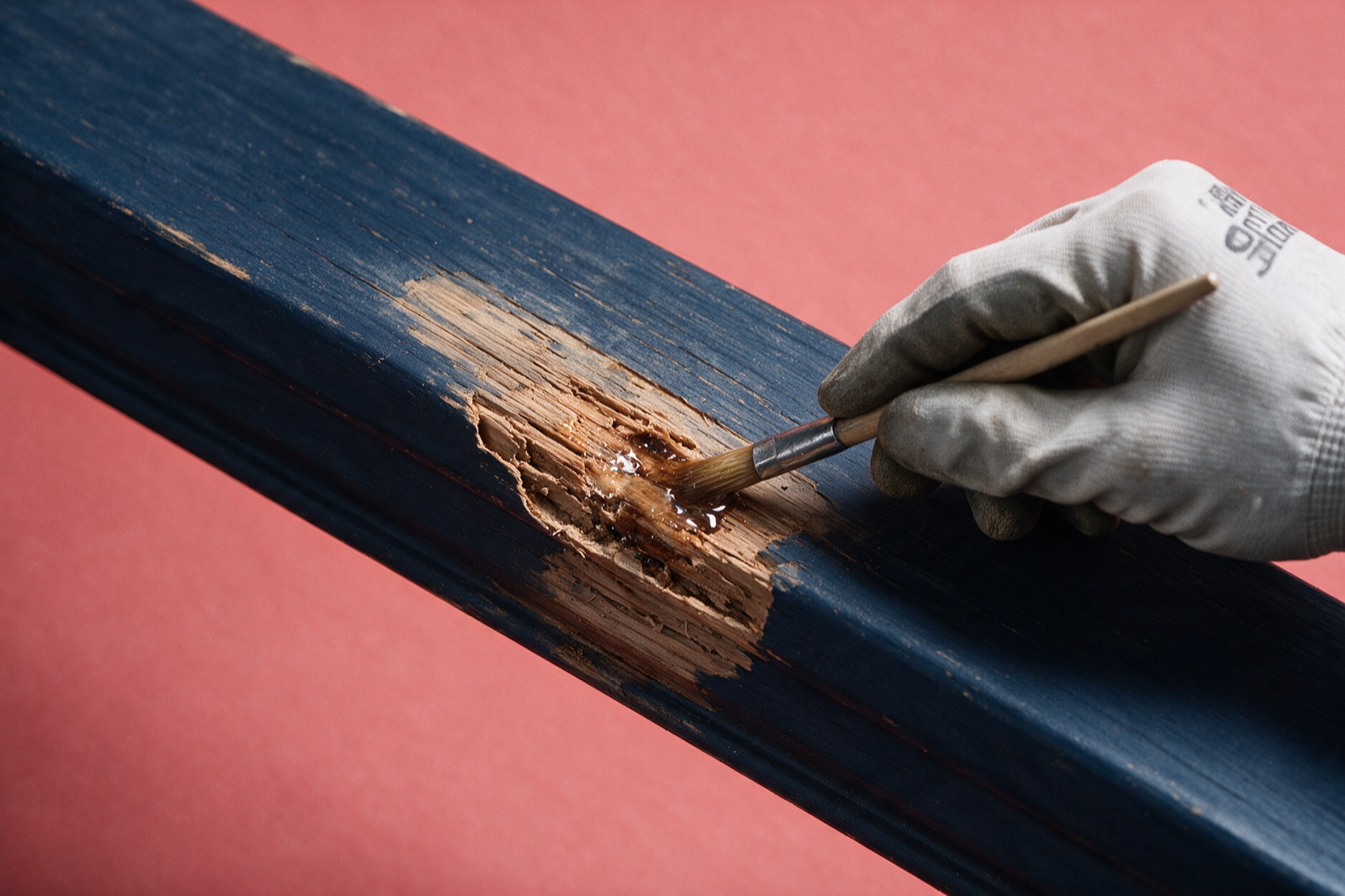
A liquid epoxy consolidant is formulated to be thin enough to penetrate into porous, degraded wood fibre, rather than sit on the surface the way a thicker filler does. Once it soaks into that weakened layer, it cures into a solid, rigid matrix, effectively rebuilding the wood’s internal structure from within rather than just covering the surface. This creates a dense, solid substrate that a subsequent epoxy filler can actually bond to and hold against, instead of bonding to wood that’s still structurally compromised underneath. The two products do genuinely different jobs. Consolidant strengthens what remains. Filler rebuilds what’s missing. Skipping the consolidant step and going straight to filler is the single most common shortcut that shortens a repair’s lifespan, since the filler ends up anchored to wood that still can’t properly hold it.
When Consolidation Is the Right Call, and When It Isn’t
Epoxy consolidation is appropriate where decay is contained to a surface or trim-level element, with the surrounding wood structurally sound once the compromised layer is treated. It is not a substitute for replacement where decay has reached load-bearing framing, or where the extent of the damage means there isn’t enough sound wood left for the consolidant to actually bind to. For the full breakdown of how that decision gets made, see our guide on repair vs. replace.
Why Marine-Grade Epoxy Matters Specifically in Vancouver
Not all epoxy formulations are built for the same conditions. Marine-grade epoxy is formulated to remain stable and bonded under sustained moisture exposure and UV exposure, conditions it was originally developed for in boat building, where materials sit in near-constant wet exposure. Environment and Climate Change Canada’s climate data puts Vancouver’s wet season at roughly six months a year, October through April, which makes that same sustained-moisture resistance directly relevant to exterior repairs here, not just a marketing distinction. A consolidant or filler that isn’t rated for continuous moisture exposure is a poor match for a windowsill, deck post, or piece of fascia that will see repeated wet-dry cycles every winter.
What This Means for a Repair on Your Home
When epoxy consolidation is the right call, it’s applied as part of a full process, not as a standalone fix: the moisture source is identified and corrected first, since no consolidant holds up against an active, ongoing leak, the compromised wood is treated with consolidant, and finished with a matched filler and appropriate sealing against Vancouver’s wet season. This is the same process behind every applicable repair we do, detailed in full on our How We Fix It page.
Curious whether your situation is a consolidation job or something that needs replacement?
Epoxy consolidant is one tool among several we use, see How We Fix It for the full repair process, start to finish.
Sources: Environment and Climate Change Canada, Canadian Climate Normals; Canadian Wood Council, durability and decay research.